"Livelihoods Cannot Be Collateral Damage": NI Business Leaders Unite to Condemn Violence and Warn of Economic Threat
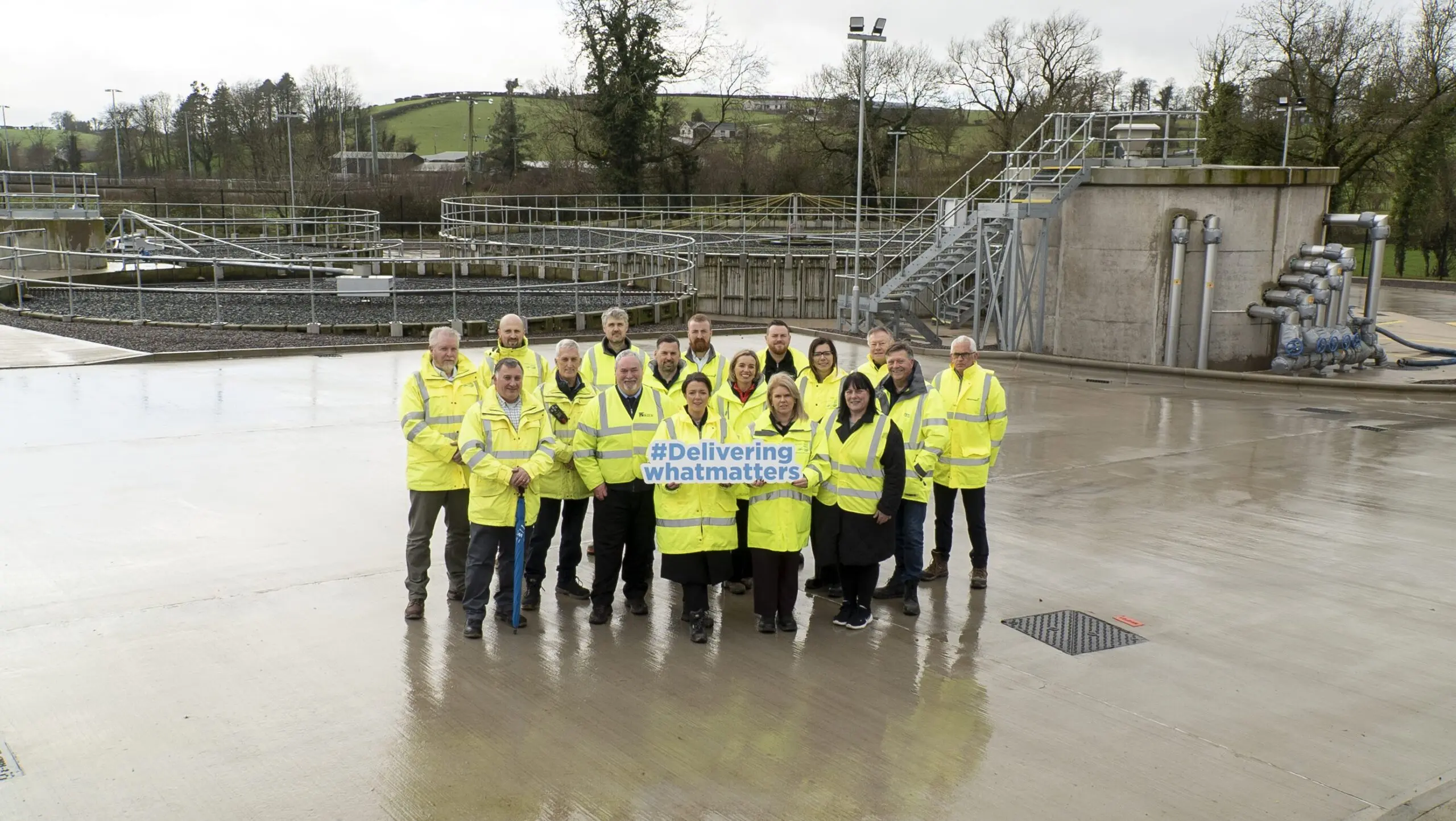
More than 20 of Northern Ireland's most influential business organisations have issued an unprecedented joint statement warning that the recent wave of civil unrest and violence poses a direct and serious threat to the region's economy, its reputation as a place to invest, and the livelihoods of thousands of workers. The statement, released on Saturday 11 July, was signed by organisations including the CBI Northern Ireland, the Institute of Directors, and the Northern Ireland Chamber of Commerce and Industry, and represents one of the most significant collective interventions by the business community in recent years.
Background
Northern Ireland's business community has long been acutely aware of the relationship between political stability and economic prosperity. The decades of the Troubles demonstrated, in the most painful way possible, how political violence and civil disorder can devastate an economy — driving away investment, destroying businesses, and creating an environment in which normal economic activity becomes impossible. The peace process and the Good Friday Agreement transformed that environment, and the subsequent decades have seen Northern Ireland develop a more dynamic and diversified economy.
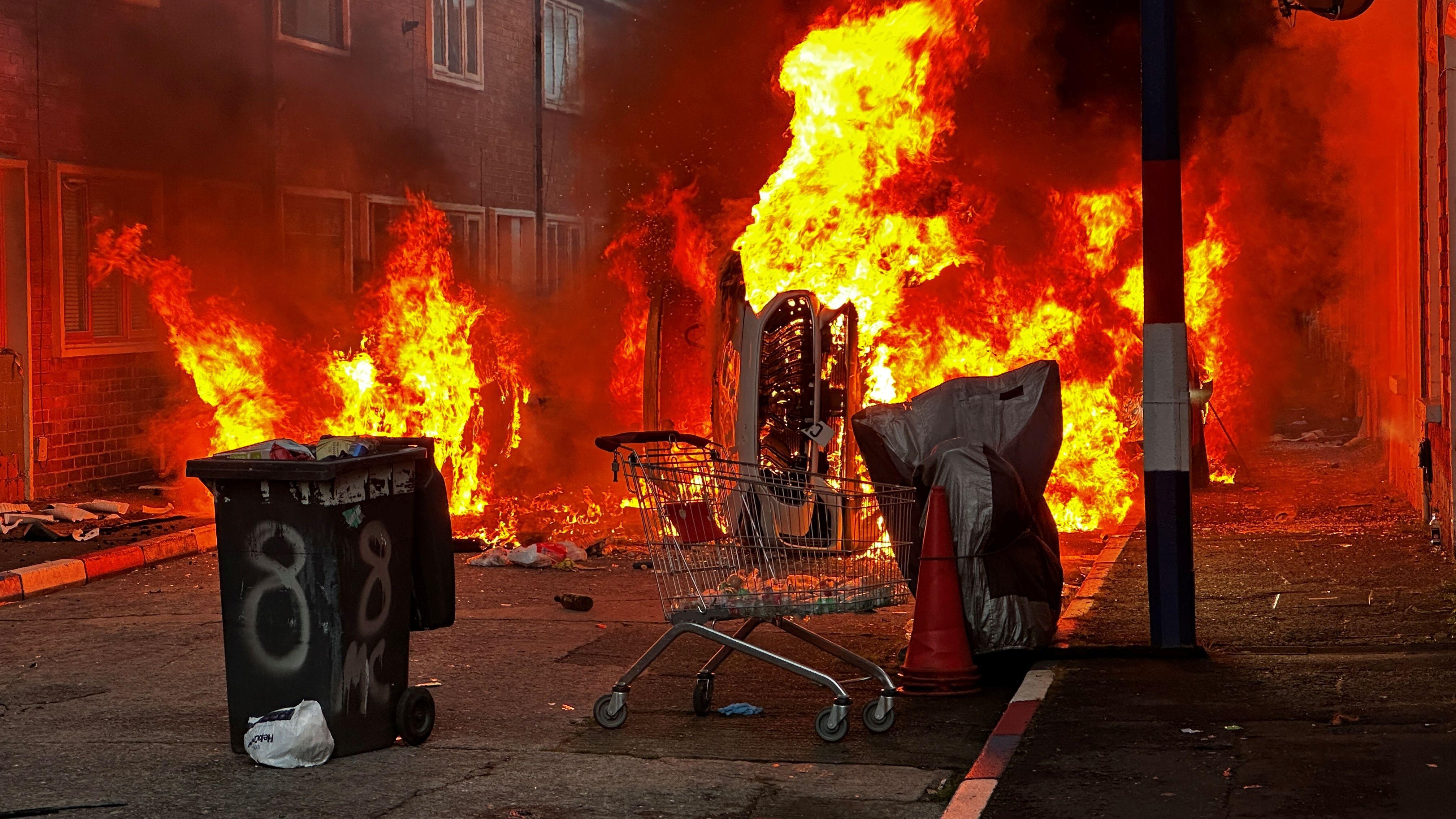
The recent period of civil unrest — triggered by anti-immigration sentiment and manifesting in attacks on businesses, community facilities, and individuals — has raised fears that the progress of recent decades could be undermined. While the scale of the current disorder is far below anything seen during the Troubles, the business community is acutely sensitive to the signals that disorder sends to potential investors and to the international community more broadly.
Northern Ireland has been working hard to attract foreign direct investment, to develop its technology and professional services sectors, and to position itself as a competitive location for businesses looking to establish a European presence. The civil unrest threatens to undermine that work by creating a perception of instability that could deter potential investors and damage the region's reputation.
Key Developments
The joint statement, signed by more than 20 business organisations, was unequivocal in its condemnation of the violence and its warning about the economic consequences. The statement declared that "a prosperous Northern Ireland needs a peaceful and stable society" and that "the violence we have seen on our streets is a direct threat to jobs and future investment." The signatories called for an immediate end to the disorder and for political leaders to take decisive action to address the underlying tensions.
The statement also highlighted the specific impact of the disorder on businesses in affected areas, with some businesses reporting significant losses due to disruption, damage, and the reluctance of customers to visit areas where disorder has occurred. The hospitality and retail sectors, which are particularly dependent on footfall and consumer confidence, have been among the hardest hit.
The joint statement represents a significant departure from the normal practice of business organisations, which typically prefer to engage with political issues through private channels rather than public statements. The decision to issue a joint public statement reflects the seriousness with which the business community views the current situation and its determination to make its voice heard in the public debate.
Why It Matters
The business community's intervention matters because it adds a powerful economic voice to the political condemnation of the disorder. While political leaders have been quick to condemn the violence, the business community's statement frames the issue in terms of economic consequences — jobs, investment, and livelihoods — that resonate with a broad audience and that are difficult for political leaders to ignore.
The statement also matters because it reflects a genuine concern within the business community about the trajectory of events. The signatories are not given to alarmism, and their decision to issue such a strong public statement suggests that they believe the situation is serious enough to warrant an exceptional response. Their warning that "livelihoods should not become the collateral damage" of social and political tensions is a direct challenge to those who are engaged in or facilitating the disorder.
For Northern Ireland's economic development, the timing of the statement is particularly significant. The region has been working to attract investment in high-value sectors, and the civil unrest threatens to undermine that work at a critical moment. The business community's intervention is designed to send a clear message — to potential investors, to the international community, and to those responsible for the disorder — that Northern Ireland's economic future depends on peace and stability.
Local Impact
The impact of the civil unrest has been felt most acutely in the areas where disorder has occurred, with businesses in North Belfast and other affected areas reporting significant losses. Some businesses have been forced to close temporarily, while others have seen a sharp decline in trade as customers avoid the affected areas. The hospitality sector — restaurants, bars, and hotels — has been particularly affected, with bookings cancelled and footfall reduced in areas associated with the disorder.
What's Next
The business organisations that signed the joint statement have indicated that they will seek meetings with the First Minister, the deputy First Minister, and the Secretary of State for Northern Ireland to discuss the economic impact of the disorder and the steps being taken to address it. They have also indicated that they will continue to monitor the situation and to speak out if the disorder continues. The Stormont Executive is expected to discuss the economic impact of the unrest at its next meeting.