NHS App Reaches Every Acute Trust in England as 41 Million Patients Gain Digital Appointment Control
The NHS has completed a major expansion of its app, connecting it to every acute trust in England and giving 41 million registered users the ability to manage hospital referrals and appointments from their phones — a development that health officials say will cut waiting lists, reduce missed appointments, and save the health service millions of pounds in paper correspondence.Background
The NHS App was launched in 2018 as a relatively modest tool for accessing GP records and ordering repeat prescriptions. Over the past three years, it has been transformed into a comprehensive digital health platform, with the government investing heavily in its expansion as part of a broader strategy to reduce administrative burden and improve patient experience. The app now handles prescription ordering, GP appointment booking, and access to health records — and from today, hospital referral and appointment management at every acute trust in England.
The expansion comes against a backdrop of persistent NHS waiting list pressures. Despite significant investment and the post-pandemic recovery effort, millions of patients remain on waiting lists for elective procedures, outpatient appointments, and diagnostic tests. Missed appointments — known as "did not attends" or DNAs — cost the NHS an estimated £1 billion annually, with a significant proportion attributable to patients not receiving or not acting on paper appointment letters.
The digital transformation of NHS administration has been a priority for successive health secretaries, but progress has been uneven. Different trusts have used different IT systems, creating fragmentation that made a unified patient-facing app difficult to deliver. The completion of this rollout represents a significant technical achievement, requiring integration with the patient administration systems of more than 140 acute trusts across England.
Key Developments
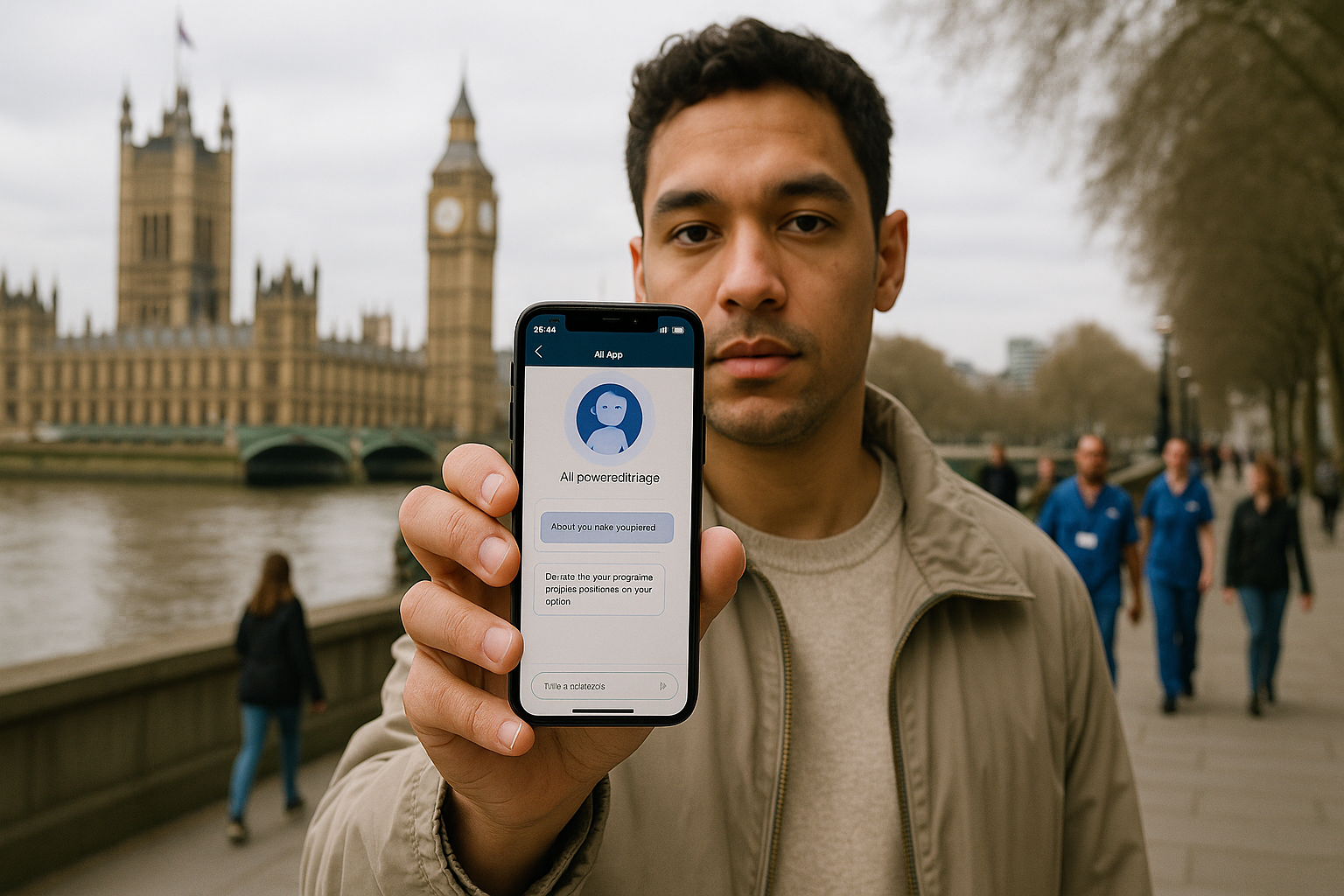
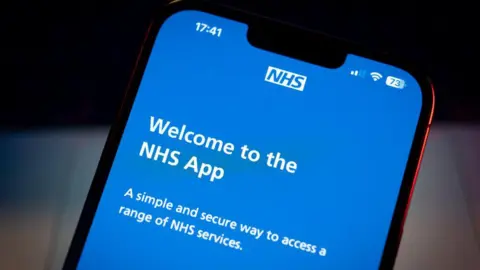
From Wednesday 29 April, patients at every acute NHS trust in England can view, reschedule, and cancel hospital appointments through the NHS App. Around 64% of all hospital appointments are now visible within the app, with the proportion expected to increase as trusts complete their integration work. Patients at approximately half of all trusts can also receive appointment reminders via push notifications and access health documents such as discharge summaries directly through the app.
Jules Hunt, Director General of Technology, Digital and Data for the NHS, said the update "gives patients more control and choice over their care while cutting unnecessary paperwork." Dr Zubir Ahmed, Health Innovation and Safety Minister, highlighted the app's role in "transforming patient care, cutting administrative burdens, and helping to drive down waiting lists."
In March alone, over 15 million users logged into the NHS App — an increase of almost one third over the previous 12 months. Prescription ordering through the app increased by more than a third over the same period. The NHS estimates that the shift from paper letters and SMS messages to app-based communication will generate significant cost savings, though specific figures have not been published.
Looking ahead, the NHS plans to introduce the ability to request follow-up appointments through the app, and to launch NHS Online — a new digital hospital offering triage through the app and video consultations with specialists. NHS Online is expected to begin seeing its first patients next year.
Why It Matters
This rollout matters because it addresses one of the most persistent inefficiencies in NHS administration: the gap between when an appointment is made and when a patient actually attends. Paper letters are slow, easily lost, and provide no mechanism for patients to quickly reschedule when their circumstances change. The result is a high rate of missed appointments that wastes clinical time and delays care for other patients. Digital appointment management, with push notifications and easy rescheduling, has been shown in pilot programmes to reduce DNA rates significantly.
For context, Scotland's NHS has been piloting similar digital appointment tools through its own app infrastructure, and early results have been encouraging. England's rollout is larger in scale and more technically complex, but the evidence base from Scotland and from NHS trusts that piloted the functionality early suggests the impact on waiting lists could be meaningful. The planned NHS Online service, if delivered effectively, could represent an even more significant shift — bringing specialist consultations to patients who currently face long waits for face-to-face appointments.
Local Impact
For patients across England, the immediate benefit is practical: no more waiting for paper letters, no more calling the hospital to reschedule, and no more uncertainty about appointment details. For NHS staff, the reduction in administrative calls and correspondence should free up time for clinical work. In Northern Ireland and Scotland, where separate NHS structures operate, the England rollout will be watched closely as a model for their own digital transformation programmes. The HSE in the Republic of Ireland has been developing its own patient-facing digital tools, and the NHS App's scale and functionality will inform those efforts.
What's Next
The NHS plans to expand the proportion of appointments visible in the app from the current 64% to close to 100% over the next 12 months. The follow-up appointment request functionality is expected to launch later in 2026. NHS Online is scheduled to begin its first patient consultations in 2027. Ofcom will be monitoring the app's data handling practices under the Online Safety Act framework, and the government has committed to publishing an annual transparency report on NHS digital services.
Sources: The Mirror — NHS App update, 29 April 2026; Express — NHS April 29 update