Middle East Conflict Pushes UK Inflation Forecast Higher as BCC Cuts Growth Outlook
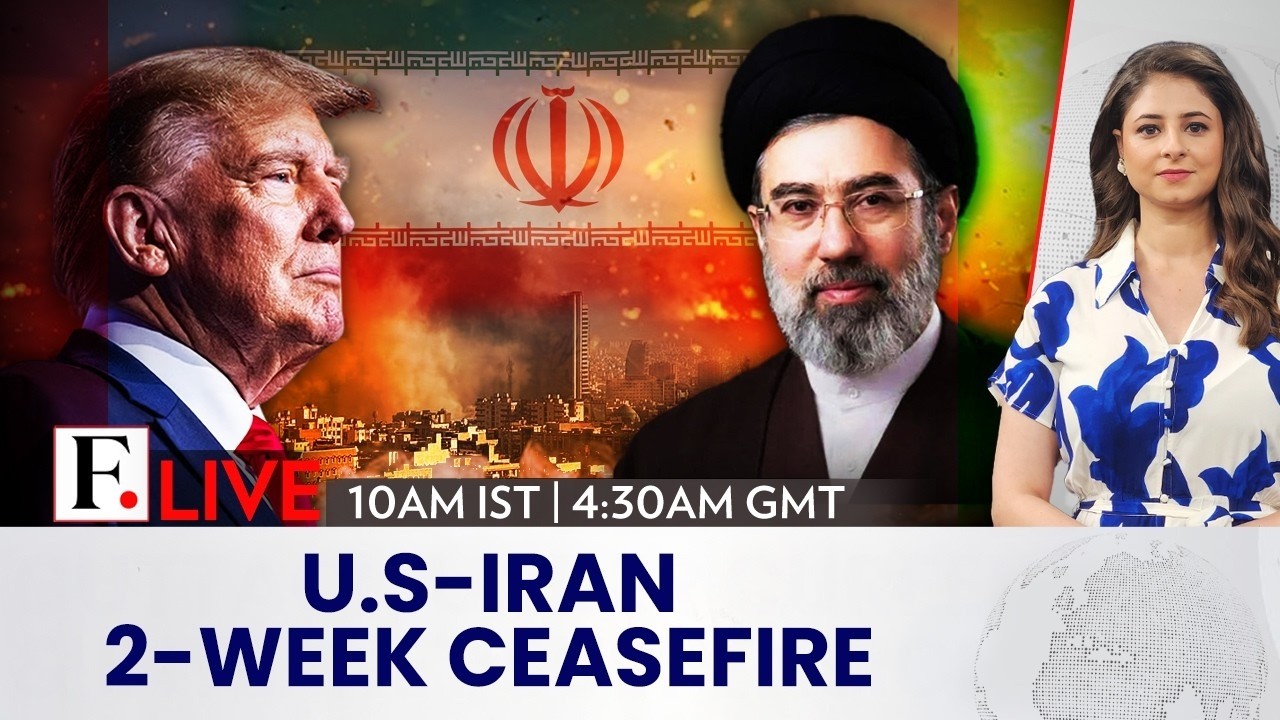
The ongoing conflict in the Middle East is pushing UK inflation forecasts higher and forcing economists to revise down growth projections, as rising oil and gas prices driven by disruption to global energy markets compound the challenges facing the British economy.
The British Chambers of Commerce (BCC) has downgraded its UK GDP growth forecast for 2026 to 1.0% from 1.2%, while KPMG is even more pessimistic, projecting growth of just 0.7%. Both forecasters cite the conflict — which began in late February 2026 — as a significant new headwind for the UK economy.
Background
UK inflation stood at 3.0% in February 2026, unchanged from January and still above the Bank of England's 2% target. The Bank of England's Monetary Policy Committee held interest rates at 3.75% in March 2026, pausing a series of six cuts implemented since August 2024, citing concern that prices would rise more quickly due to the conflict. Some analysts now predict rates may remain at 3.75% for much of 2026.
Key Developments
The conflict has led to Iranian forces effectively blocking the Strait of Hormuz, exerting significant upward pressure on global energy prices. KPMG projects UK inflation could peak at over 3.5% in the third quarter of 2026 as businesses pass on increased energy costs to consumers. The BCC forecasts inflation to reach 2.7% by the end of the year. Both forecasts highlight the services sector as the main, albeit slowing, driver of growth, while construction and manufacturing are expected to contract.
Business investment is forecast to flatline completely in 2026, while the unemployment rate has risen to 5.2% — with the BCC projecting it could climb to 5.5% and youth unemployment could hit 17%. Average wages excluding bonuses were 3.8% higher in the three months to January 2026, the lowest rate of regular pay growth in over five years.
Prime Minister Keir Starmer has used the instability caused by the conflict to argue that voters should "stick with Labour" for stability during the local election campaign, criticising opposition parties for their early support of US-Israeli strikes against Iran.
Why It Matters
The Middle East conflict represents a significant external shock to the UK economy at a time when the government is already struggling to demonstrate progress on living standards. Rising energy prices could reverse the recent fall in the Ofgem price cap, with Cornwall Insights predicting bills could rise by 18% from July 2026.
What's Next
The Bank of England's next Monetary Policy Committee meeting will be closely watched for signals on the future path of interest rates. Full economic analysis is available via the British Chambers of Commerce.