Louth Nature Trust's Dominic Hartigan Honoured for Inspiring Young People to Protect the Environment
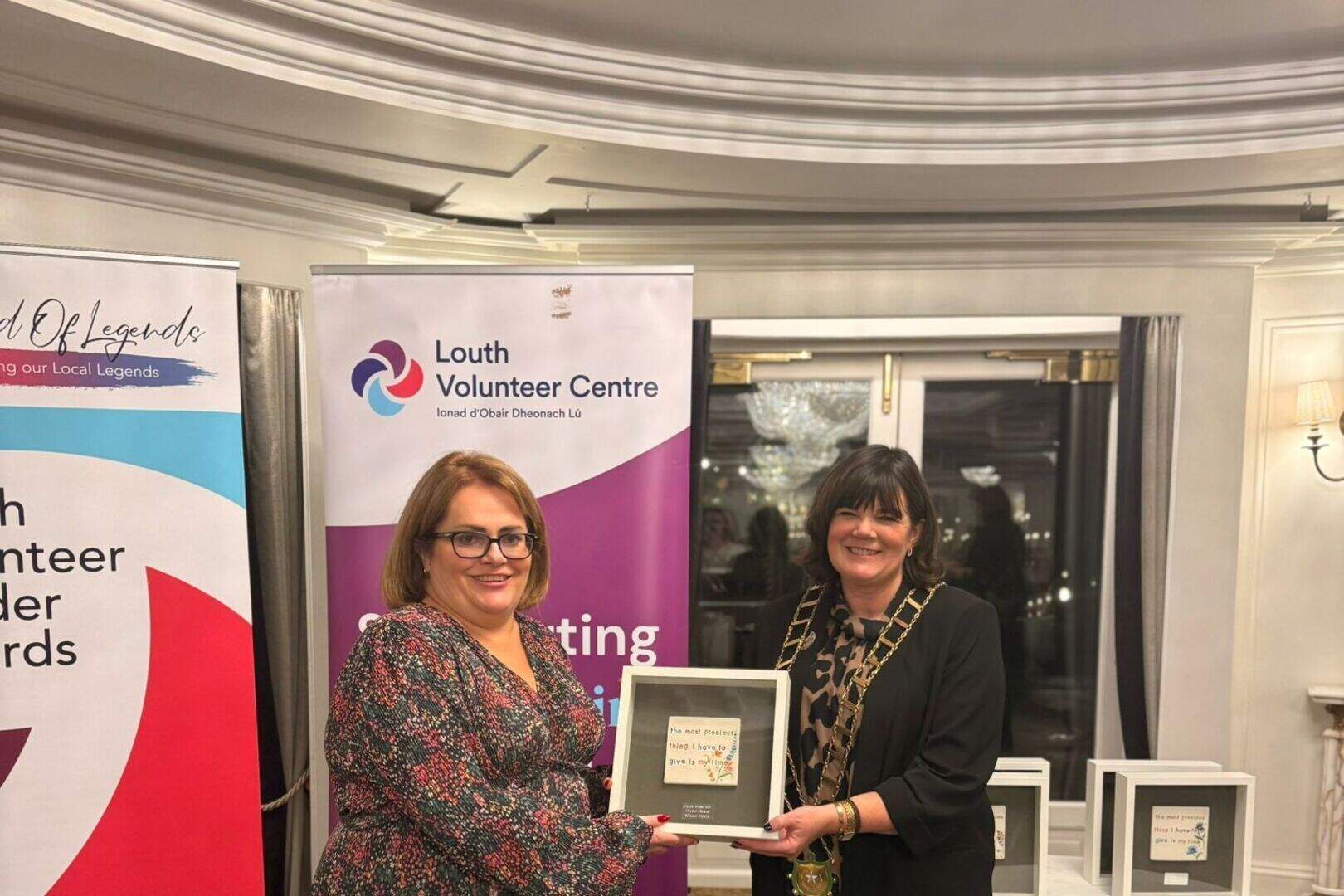
Dominic Hartigan of the Louth Nature Trust has been presented with the Leading Young Volunteers Award at the Louth Volunteer Centre's annual Volunteer Leader Awards, recognised for his sustained and imaginative work in drawing young people into conservation — building a generation of environmental stewards in one of Ireland's smallest but most ecologically rich counties.
Background
County Louth, despite its modest size, contains a remarkable diversity of habitats — from the Cooley Mountains and the Carlingford Lough shoreline in the north to the river meadows of the Boyne valley in the south. The Louth Nature Trust has been working to protect and restore these habitats for years, operating as a volunteer-led organisation that relies on the commitment of individuals who give their time and expertise without expectation of financial reward.
Youth engagement in conservation has become an increasingly urgent priority for environmental organisations across Ireland. Research consistently shows that young people who develop a connection with the natural world in their formative years are significantly more likely to make environmentally conscious choices as adults, and more likely to become advocates for conservation in their communities. The challenge is creating the conditions for that connection to form — and that is precisely where individuals like Dominic Hartigan make a difference that no policy document or funding stream can replicate.
The Louth Volunteer Centre's annual awards are among the most respected community recognition events in the county, drawing nominations from across the voluntary sector and celebrating the breadth of contribution that volunteers make to Louth's social fabric. The Leading Young Volunteers category specifically recognises those who go beyond their own participation to inspire and develop the next generation of community activists.
Key Developments
Hartigan's work with the Louth Nature Trust has centred on creating accessible, engaging conservation experiences for young people who might not otherwise encounter the natural world in a meaningful way. His projects have included habitat surveys, river clean-ups along the Fane and Dee, hedgerow planting initiatives, and guided walks through the Cooley Peninsula that combine ecological education with genuine adventure.
What distinguishes Hartigan's approach, according to those who nominated him, is his ability to meet young people where they are — to make conservation feel relevant, exciting, and achievable rather than worthy and remote. He has worked with youth groups, schools, and community organisations across the county, adapting his programmes to different ages and backgrounds.
The Louth Volunteer Centre noted that Hartigan's contribution extends beyond the hours he spends in the field. He has mentored younger volunteers within the Trust, helping them develop the skills and confidence to lead their own projects, and has been instrumental in building partnerships with local schools that have brought conservation into the curriculum in practical, hands-on ways.
Why It Matters
The recognition of Dominic Hartigan comes at a moment when Ireland's biodiversity crisis is receiving unprecedented attention. The National Biodiversity Action Plan, the EU Nature Restoration Law, and a growing body of scientific evidence all point to the same conclusion: that Ireland has lost a significant proportion of its native wildlife and habitats over the past century, and that reversing that decline will require not just policy change but a fundamental shift in how communities relate to the natural world around them.
Volunteer-led organisations like the Louth Nature Trust are on the front line of that effort, doing work that statutory bodies cannot replicate at the local level. The individuals who lead those organisations — who give their evenings and weekends, who develop the expertise and the relationships that make conservation projects succeed — are the foundation on which any meaningful recovery will be built.
For Louth specifically, which sits at the intersection of the Republic and Northern Ireland and contains habitats that cross the border, the work of the Nature Trust has a significance that extends beyond county boundaries. The Carlingford Lough area, in particular, is a shared ecological resource that requires cross-border cooperation to manage effectively.
Local Impact
In practical terms, Hartigan's work has brought dozens of young Louth residents into direct contact with habitats they might otherwise have passed without noticing — the hedgerows along the Cooley roads, the reed beds at the Boyne estuary, the ancient woodland fragments that survive in the folds of the Carlingford hills. That contact, repeated and deepened over time, builds the kind of environmental literacy that communities need if they are to make informed decisions about land use, development, and conservation.
For the young volunteers who have worked alongside Hartigan, the experience has also provided practical skills — species identification, habitat assessment, project management — that have value beyond the conservation context. Several former participants have gone on to study environmental science or ecology at third level, citing their time with the Louth Nature Trust as a formative influence.
What's Next
The Louth Nature Trust has indicated that it plans to expand its youth engagement programme in the second half of 2026, with new projects planned for the Boyne Valley and the Cooley Peninsula. Hartigan is expected to lead a series of summer conservation camps for secondary school students in July and August, building on the momentum generated by the award. The Trust is also in discussions with Louth County Council about a potential partnership to develop a network of community nature reserves across the county.