London Marathon 2026 Smashes World Record with £87.5 Million Raised for Charity
The 2026 TCS London Marathon has cemented its place in history, raising a record-breaking £87.5 million for charitable causes and surpassing the previous world record of £87.3 million set by the 2025 event. Organisers expect the final total to exceed £90 million once all donations are counted and announced in September — a staggering sum that cements the event's status as the world's largest annual one-day fundraising occasion.
Background
The London Marathon, first held in 1981, has grown from a modest road race into one of the most celebrated sporting and philanthropic events on the global calendar. Over its 46-year history, the event has raised more than £1.3 billion for charity — a figure that dwarfs the fundraising totals of comparable mass-participation events anywhere in the world. The race's unique power lies in its ability to unite elite athletic achievement with grassroots community spirit, drawing tens of thousands of runners who combine personal challenge with charitable purpose.
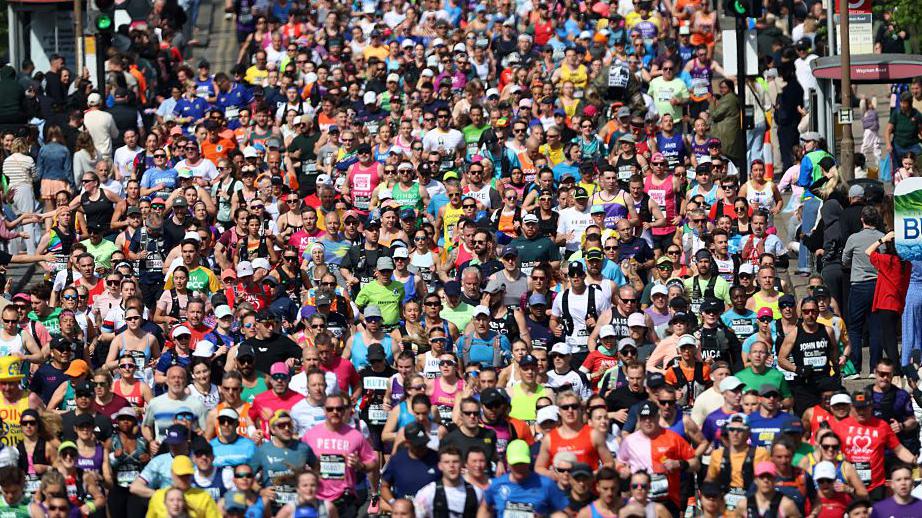
The 2026 edition drew 59,830 finishers across the finish line on The Mall, setting a Guinness World Record for the most finishers in a marathon. Among them were thousands of charity runners in elaborate costumes, raising money for causes ranging from cancer research and mental health to children's hospices and veterans' charities. The British Heart Foundation, Cancer Research UK, and Macmillan Cancer Support were among the major beneficiaries, alongside hundreds of smaller organisations that rely on the marathon as their single biggest fundraising opportunity of the year.
Key Developments
The fundraising milestone was matched by extraordinary athletic achievement on the course. Kenyan runner Sabastian Sawe made history by completing the marathon in 1 hour, 59 minutes and 30 seconds — becoming the first athlete to officially break the two-hour barrier in a competitive marathon. The feat, long considered the sport's holy grail, was met with scenes of jubilation at the finish line. Sawe's performance was characterised by a remarkable negative split, running the second half of the race faster than the first. The second-place finisher, Yomif Kejelcha, also finished in under two hours — a first in marathon history. Sawe's achievement has been compared in its significance to Roger Bannister's sub-four-minute mile in 1954.
In the women's elite race, Ethiopia's Tigst Assefa defended her title in stunning fashion, breaking her own women-only world record with a time of 2 hours, 15 minutes and 41 seconds. The top three women all finished in under 2 hours and 16 minutes — another first in the sport's history. Assefa's performance drew comparisons to the greatest distance running achievements of any era.
On the fundraising side, Enthuse, the official online fundraising partner, reported £42.2 million raised through its platform — a 22 per cent increase on the previous year — while JustGiving accounted for a further £43.7 million. Hugh Brasher, Chief Executive of London Marathon Events, paid tribute to the tens of thousands of fundraisers and donors who made the achievement possible. "Every single person who ran, cheered, donated, or volunteered has been part of something truly extraordinary," he said. "The generosity of the British public never ceases to amaze us."
Why It Matters
The London Marathon's fundraising record is not merely a feel-good statistic — it represents a genuine lifeline for charities operating under sustained financial pressure. Many organisations rely on the marathon as their single largest annual income event, with the money supporting everything from frontline services to long-term research programmes. In a period when public sector funding for voluntary organisations has been squeezed and the cost-of-living crisis has dampened individual giving in other contexts, the marathon's continued growth in charitable income is a remarkable counterpoint. The event demonstrates that when people are given a meaningful, tangible challenge to rally around, the British public's capacity for generosity remains extraordinary. The 2026 edition also saw a heartwarming moment when a runner proposed to his partner at the finish line, and a 74-year-old grandmother completed the course in memory of her late husband, raising more than £40,000 for Alzheimer's Research UK.
Local Impact
Across the UK, charities large and small will feel the benefit of the 2026 marathon's record haul. From hospices in Northern Ireland to mental health services in Scotland and Wales, the funds raised flow far beyond London itself. For many smaller charities, a single marathon runner can represent months of operational funding. The event's inclusive ethos — welcoming participants of all abilities, ages, and backgrounds — also sends a powerful message about community participation in public life. The National Autistic Society, named as the official charity partner for the 2027 TCS London Marathon, will benefit from a year-long promotional platform that could transform its fundraising capacity.
What's Next
Organisers have pledged to make the 2027 TCS London Marathon the most inclusive edition in the event's history through their "It's Time To Show Up" campaign, with the National Autistic Society at its heart. With Sawe's sub-two-hour barrier now broken and Assefa's dominance in the women's field showing no sign of waning, the athletic spectacle is likely to draw even larger global audiences next year. The final fundraising total for 2026 will be confirmed in September, with organisers confident it will surpass £90 million.
Full details on the 2026 results and charity fundraising are available via BBC Sport and The Guardian.