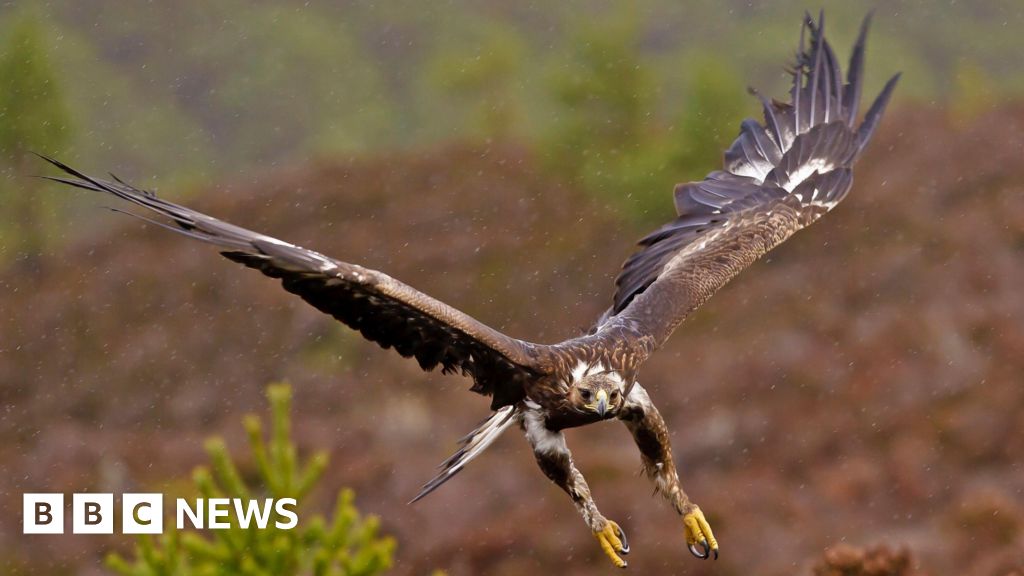
Golden Eagles to Soar Over England Again After 150-Year Absence
Plans to reintroduce golden eagles to England, where they have been absent for over 150 years, are moving forward after a new feasibility study identified several suitable habitats and the government secured £1 million in funding for the project. This ambitious conservation effort aims to bring back one of Britain's most majestic birds of prey to the skies of northern England, restoring a vital part of the country's natural heritage.
Background
The golden eagle is a magnificent apex predator that was once widespread across the British Isles. However, centuries of persecution and habitat loss led to their extinction in England and Wales by the mid-19th century. A small and fragile population has clung on in the remote highlands and islands of Scotland, but they have never naturally recolonised their former English territories. Conservationists have long dreamed of re-establishing a viable population south of the border, and recent successes with other reintroduction projects, such as white-tailed eagles and beavers, have provided the impetus to turn this dream into a reality.
Key Developments
A detailed feasibility study, led by Forestry England and other conservation partners, has been a crucial first step. The study analysed vast areas of northern England to identify locations with suitable habitat, a sufficient prey base (such as rabbits and mountain hares), and a low risk of conflict with human activities like grouse shooting and sheep farming. The study has successfully identified eight potential 'recovery zones', located mainly in the remote upland areas of the Pennines, the Lake District, and Northumberland. Following the positive outcome of the study, the project has secured an initial £1 million in government funding through its Species Survival Fund. This will allow the project to move to the next phase, which will involve detailed community consultation and the development of a plan for sourcing young eagles from the healthy Scottish population for a phased release. Source: Good News Network.
Why It Matters
The return of the golden eagle to England would be a landmark achievement for British conservation. As an apex predator, the golden eagle plays a crucial role in maintaining a healthy and balanced ecosystem. Their presence helps to control populations of other species and creates a more resilient natural environment. The project is part of a wider movement known as 'rewilding', which aims to restore natural processes and missing species to landscapes that have been degraded by human activity. The return of such an iconic and charismatic species can also generate significant economic benefits through eco-tourism, as has been seen with the white-tailed eagles on the Isle of Mull in Scotland.
Local Impact
While the proposed release sites are in England, the project is of great interest to conservationists in Northern Ireland. The region faces similar challenges regarding biodiversity loss and has its own history of species extinction. The golden eagle also once soared over the mountains of Ulster. The success of the English project could provide a valuable blueprint for future reintroduction projects in Northern Ireland, such as the ongoing efforts to bolster the red kite population or the potential return of other lost species. It demonstrates a growing political and public appetite for ambitious conservation action that can restore our depleted natural world.
What's Next
The project team will now begin the vital work of engaging with local communities and landowners in the proposed recovery zones. Building local support and addressing any concerns will be key to the project's long-term success. If all goes to plan, the first young eagles could be released into the English countryside within the next few years. It will be a slow and gradual process, but with careful management and public support, the sight of a golden eagle soaring over an English hillside, for the first time in over a century and a half, is now a realistic and thrilling prospect. Read more positive news at the Good News Network.