Linfield and Glentoran Eliminated from UEFA Conference League as Irish Clubs Face Tough European Lessons
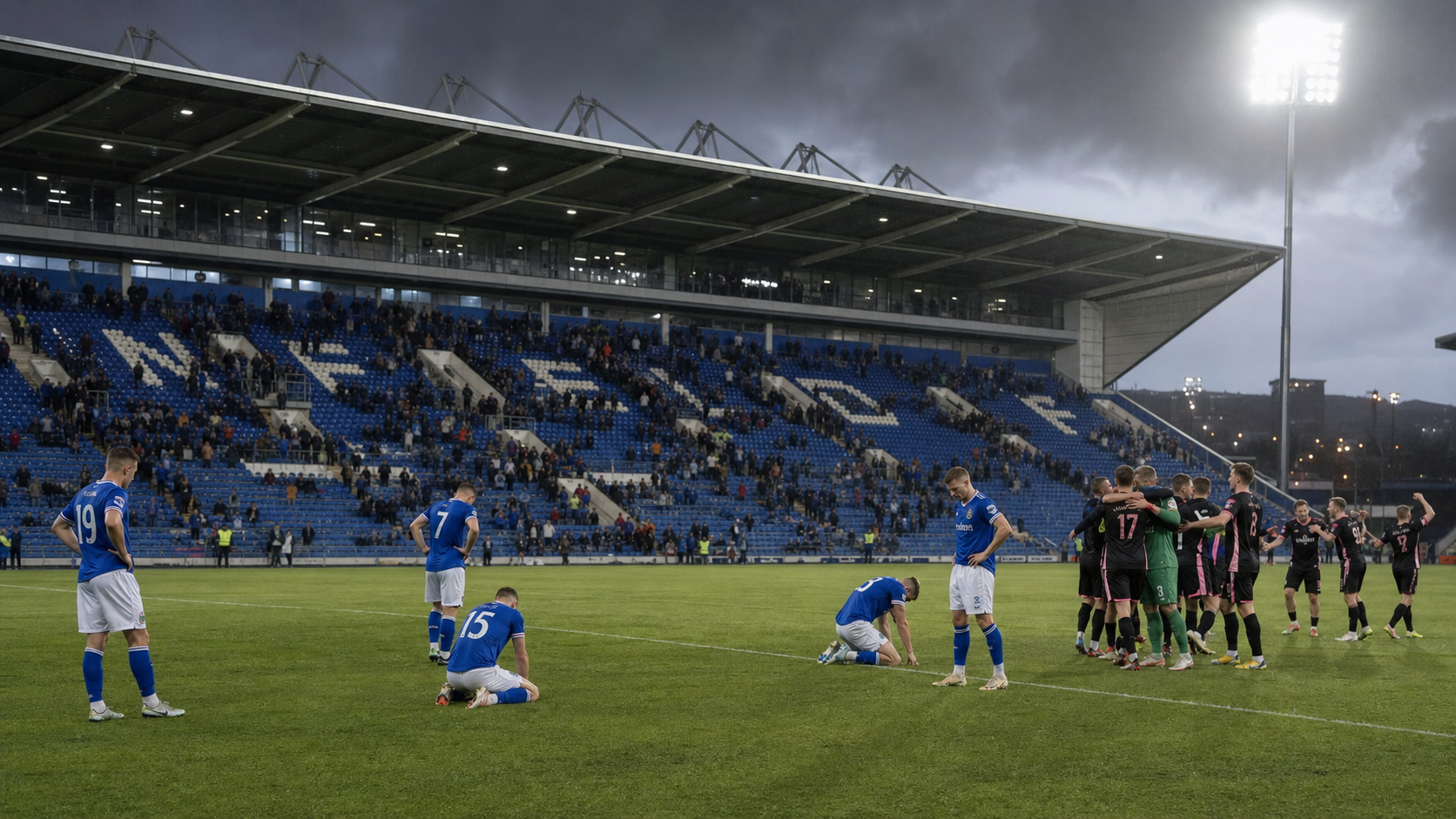
Both Linfield and Glentoran have been eliminated from the UEFA Conference League first qualifying round, with Linfield suffering a heartbreaking exit to Estonian side Nõmme Kalju after a dramatic second leg at Windsor Park that featured a red card, a saved penalty, and an injury-time winner, while Glentoran were beaten 4-1 on aggregate by Latvian club RFS — exits that underline the persistent gap between Northern Ireland's top clubs and their continental counterparts.
Background
European competition has long been a source of both aspiration and frustration for Northern Ireland's top football clubs. The Irish Premiership, while producing competitive domestic football, operates in a very different financial and structural environment from the leagues of continental Europe, and the gap in resources, preparation time, and squad depth makes the early qualifying rounds of UEFA competitions a formidable challenge even for the most ambitious clubs.
Linfield, Northern Ireland's most decorated club with a record number of Irish League titles, have been the most consistent Irish Premiership representatives in European competition in recent years. The Blues, based at Windsor Park in South Belfast, have developed a reputation for competitive performances in the early qualifying rounds, occasionally progressing to later stages and providing memorable European nights for their supporters. Glentoran, their great rivals from East Belfast, have also been building their European profile, with the club's investment in squad development beginning to bear fruit in domestic competition.
The UEFA Conference League, launched in 2021 as the third tier of European club competition, has provided a more accessible pathway for clubs from smaller leagues to participate in continental football. Its qualifying structure, which begins in early July, gives Irish Premiership clubs the opportunity to compete in European competition before their domestic season has even begun — a scheduling challenge that adds to the difficulty of performing at the required level.
Key Developments
Linfield's exit was particularly painful given the manner in which it unfolded. The Blues had navigated the first leg in Estonia with a result that kept the tie alive, and the second leg at Windsor Park on 16 July appeared to offer a genuine opportunity for progression. However, the match turned on a red card shown to Ethan McGee for a handball that conceded a penalty. Goalkeeper Chris Johns produced a fine save to deny the initial spot-kick, and Kieran Offord's goal levelled the aggregate score, raising hopes of a dramatic comeback. But Nõmme Kalju's Mihhail Orlov struck in injury time to complete a 2-2 draw on the night and eliminate Linfield on aggregate, a cruel conclusion to what had been a competitive and committed performance.
Glentoran's exit was more straightforward, if no less disappointing. The East Belfast club faced Latvian side RFS, losing the second leg 2-0 in Riga with goals from Modou Saidy and Jānis Ikaunieks to complete a 4-1 aggregate defeat. The result reflected the quality gap between the two sides, with RFS — a well-funded club with significant European experience — proving too strong for a Glentoran side that had given a creditable account of themselves in the first leg at home.
Derry City, who had also been involved in European qualifying, similarly failed to progress, completing a difficult week for Northern Irish and Irish football in continental competition. The exits mean that no Irish club will be represented in the later stages of UEFA competition this season, a familiar but no less disappointing outcome for supporters who had hoped for a deeper run.
Why It Matters
The European exits matter for Northern Ireland football for reasons that go beyond the immediate disappointment of elimination. The gap between the Irish Premiership and the leagues of continental Europe — even those of smaller nations like Estonia and Latvia — reflects a structural disparity in resources, professionalism, and preparation that will not be closed quickly or easily. Estonian and Latvian clubs benefit from longer domestic seasons, higher average attendances, and in some cases significant investment from owners with continental ambitions. Irish Premiership clubs, operating in a part-time or semi-professional environment with limited commercial revenues, face a fundamental challenge in competing on equal terms. However, the experience of European competition — the tactical lessons, the exposure to different styles of play, the development of players in high-pressure environments — is invaluable for the long-term development of the game in Northern Ireland, even when the immediate results are disappointing.
Local Impact
The European exits have been felt keenly by the supporters of both clubs. At Windsor Park, the Linfield faithful had gathered in hope for the second leg, and the injury-time elimination was a bitter blow for a fanbase that had invested emotionally in the European campaign. For Glentoran supporters in East Belfast, the 4-1 aggregate defeat was a sobering reminder of the distance that still separates the club from consistent European competitiveness. Both clubs will now turn their full attention to the domestic season, which begins in August, with the lessons of the European campaign informing their preparations. The Irish Football Association has expressed its continued commitment to supporting the development of Northern Ireland's clubs in European competition, with discussions ongoing about how to improve the preparation and resources available to clubs entering the qualifying rounds.
What's Next
With their European campaigns concluded, Linfield and Glentoran will focus on the 2026/27 Irish Premiership season, which begins in August. Both clubs will be aiming to challenge for the league title, with the European experience providing additional motivation and tactical insight. The Irish FA will conduct a review of the European qualifying campaign in the coming weeks, assessing the performances of the clubs involved and identifying areas where additional support could improve future results. The next opportunity for Irish Premiership clubs to compete in Europe will come in the summer of 2027, when the qualifying rounds for the 2027/28 UEFA competitions begin. In the meantime, the clubs will be working to strengthen their squads and develop their playing styles in preparation for another tilt at continental competition.