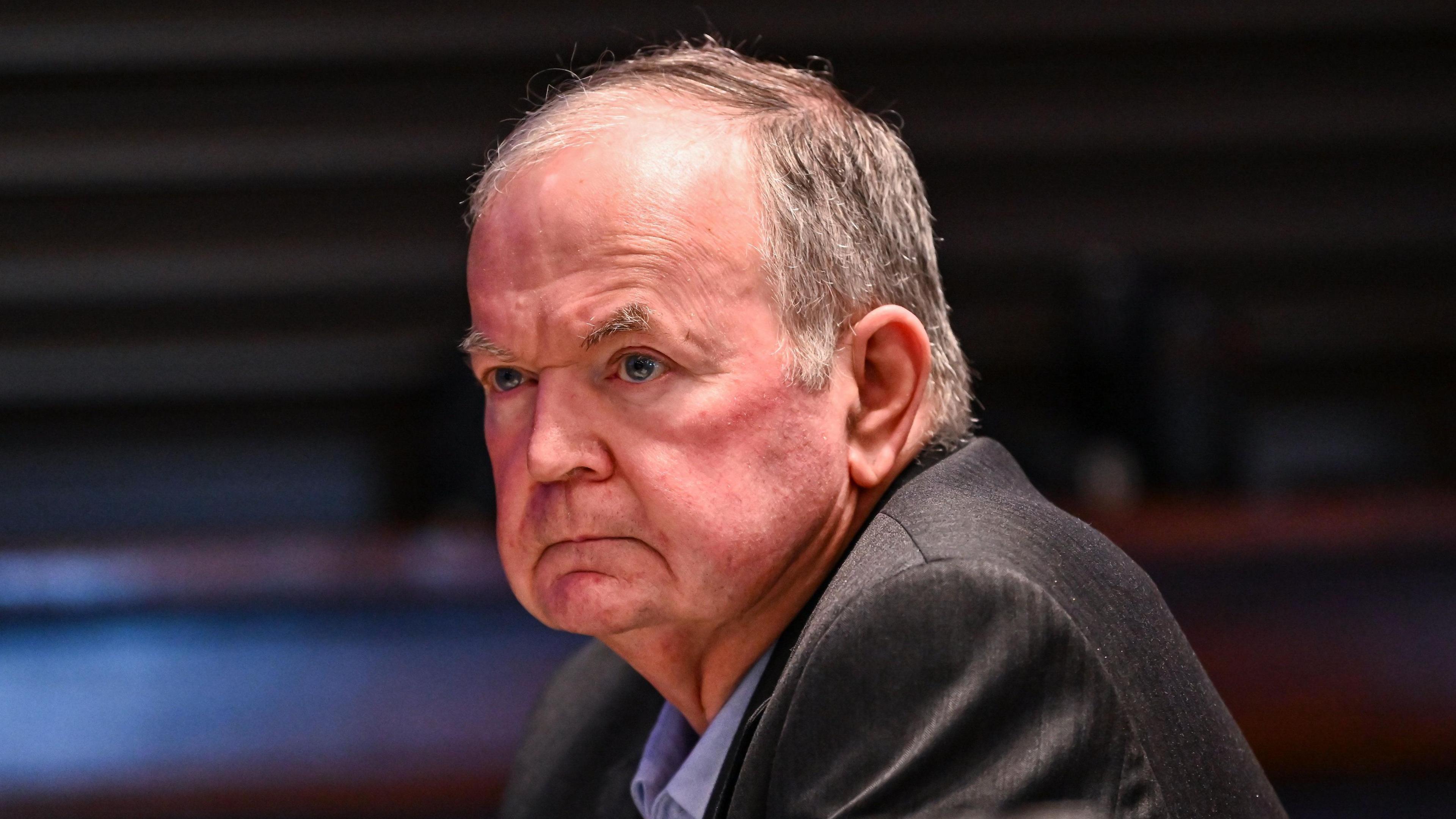
Liam O'Neill, Pioneering GAA President Who Introduced Hawk-Eye and the Black Card, Dies Aged 70
Liam O'Neill, the 37th President of the GAA who served from 2012 to 2015 and was the first president in the association's 140-year history to be elected unopposed, has died at the age of 70 following a brief illness — with tributes pouring in from across the Gaelic games community for a man whose presidency was defined by a willingness to embrace change and whose passion for the Irish language and for education shaped everything he did.
Background
Liam O'Neill was born in County Laois in August 1955 and dedicated his life to the promotion and development of Gaelic games at every level of the association. Before his presidency, he served as chairperson of the Leinster GAA Council and as Laois county secretary, accumulating decades of administrative experience that would prove invaluable when he took on the association's highest office. By profession, he was a school principal, serving at Gaelscoil Thromaire until his retirement in 2018 — a role that reflected his deep commitment to Irish-medium education and to the communities that sustain the language.
His election as GAA president in 2011 was itself a landmark moment: he was the first candidate in the association's history to run unopposed, a reflection of the broad respect he commanded across the four provinces. That consensus was not merely a product of his personal qualities, though those were considerable — it also reflected a recognition that the GAA needed a president with the vision and the courage to lead the association through a period of significant change.
O'Neill was an early and consistent advocate for the integration of the GAA, the Ladies Gaelic Football Association, and the Camogie Association — a cause that has gained significant momentum in recent years and that current GAA leadership has acknowledged was shaped in important ways by his presidency.
Key Developments
O'Neill died on August 4, 2026, at the age of 70, following a brief illness. The news was announced by the GAA, which issued a statement praising his "wit and wisdom" and his pioneering role in governance. Current GAA President Jarlath Burns described him as a man who left an enduring mark on the association, not only through the structural changes he oversaw but through the values he embodied — a love of the Irish language, a commitment to education, and a belief that the GAA's greatest strength lay in its communities.
During his presidency, O'Neill oversaw the introduction of Hawk-Eye technology at Croke Park — a decision that modernised the adjudication of scores and reduced controversy around disputed points. He established the Football Review Committee, which led to the introduction of the "black card" in Gaelic football — a disciplinary measure designed to reduce cynical fouling that remains one of the most debated innovations in the game's recent history. His presidency also saw the adoption of the broadcast partnership with Sky Sports, a decision that expanded the GAA's reach but also generated significant debate about the accessibility of games for supporters without satellite subscriptions.
He is survived by his wife, Áine, and his children, Caoimhe, Ciarán, and Clíodhna.
Why It Matters
Liam O'Neill's presidency came at a pivotal moment for the GAA. The association was navigating the aftermath of the financial crisis, managing the demands of a rapidly changing media landscape, and grappling with questions about its own identity and purpose in a more diverse and secular Ireland. His willingness to engage with those questions — to embrace technology, to open the association to new broadcasting partners, to advocate for integration with the women's codes — set a tone that has influenced his successors. The black card, whatever its limitations in practice, represented a genuine attempt to address a problem that was damaging the spectacle of Gaelic football. Hawk-Eye has become an accepted part of the game. The Sky Sports partnership, controversial at the time, has been succeeded by even more ambitious broadcasting arrangements. O'Neill's presidency, in retrospect, was a period of necessary modernisation.
Local Impact
In County Laois, where O'Neill was a beloved figure in GAA circles, the news of his death has been met with profound sadness. Laois GAA issued a statement describing him as "one of its greatest Gaels," a man who gave decades of service to the county and to the association at every level. The Gaelscoil Thromaire community, where he served as principal for many years, has also paid tribute to a man who was as committed to Irish-medium education as he was to Gaelic games. A funeral Mass is expected to take place in Laois in the coming days, with representatives from across the GAA family expected to attend.
What's Next
The GAA will hold a period of mourning for O'Neill, with flags at Croke Park and provincial grounds expected to fly at half-mast. A formal tribute to his life and legacy is expected to be paid at the next meeting of the GAA's Central Council. The association has indicated that it will explore ways to honour his memory in a more permanent form, with a number of options under consideration including the naming of a facility or award in his honour. His family has asked for privacy during this difficult time.