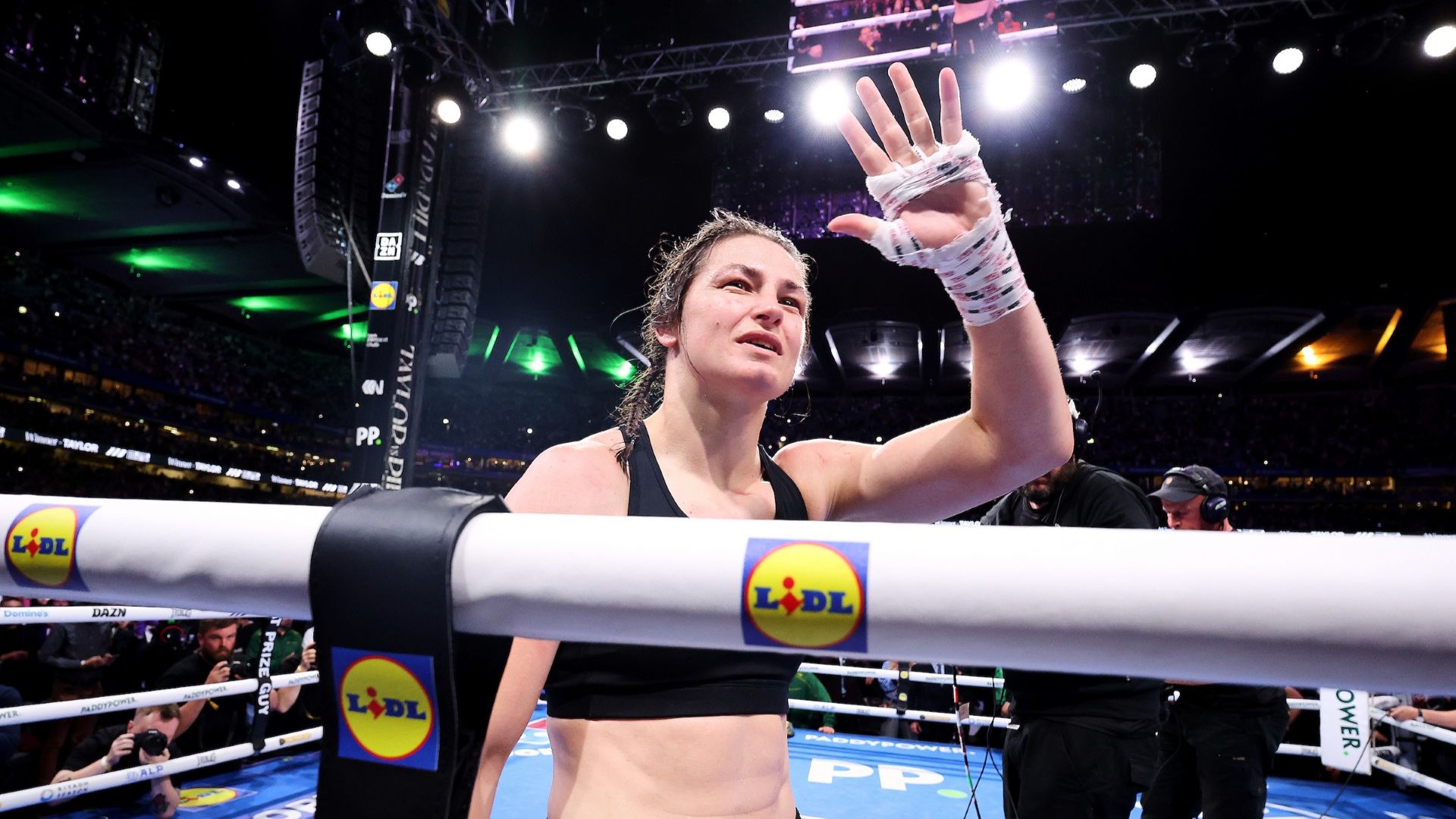
Katie Taylor's Legacy Secured: Ireland Reflects on a Champion Who Transcended Sport After Croke Park Farewell
A week after Katie Taylor left her gloves in the centre of the ring at Croke Park and walked away from professional boxing as the undisputed light-welterweight champion of the world, Ireland is still processing the magnitude of what she achieved — a 30-year career that began in a Bray boxing club and ended in front of 80,000 people at the home of the GAA, a journey that transformed women's boxing from a marginal pursuit into a mainstream sport and established Taylor as one of the greatest athletes this country has ever produced.
Background
Katie Taylor's final professional fight took place on September 5, 2026, at Croke Park in Dublin, where she defeated Flora Pili by unanimous decision — scores of 100-90, 100-90, and 98-91 — to retire as the undisputed light-welterweight champion of the world. The event, broadcast on free-to-view television in Ireland and attended by 80,000 spectators, was accompanied by a performance by Westlife and a post-fight ceremony in which Taylor introduced her husband, Sean, to the public for the first time before leaving her gloves in the ring as a symbolic gesture of permanent retirement.
Taylor's professional career ended with a record of 26 wins and 1 loss, the single defeat coming against Chantelle Cameron in May 2023 — a result she subsequently reversed in a rematch. Before turning professional in 2016, she had won five World Amateur Boxing Championships, six European Amateur Boxing Championships, and the Olympic gold medal at the 2012 London Games, a victory that is widely regarded as one of the defining moments in Irish sporting history.
Her impact on women's boxing has been transformative. When Taylor began her amateur career in the 1990s, women's boxing was not recognised by the International Olympic Committee and was regarded with scepticism by many within the sport. By the time she retired, women's boxing was an Olympic discipline, professional women's bouts were headlining major cards, and a generation of young women across Ireland and internationally had taken up the sport inspired by her example.
Key Developments
The week since the Croke Park fight has been marked by an outpouring of tributes from across the sporting world. Promoter Eddie Hearn described the event as a "fairytale ending" and one of the greatest nights in boxing history. Former champions Tony Bellew and Carl Frampton, both of whom have followed Taylor's career closely, praised the occasion as a fitting conclusion to the career of one of the sport's all-time greats. In Ireland, political leaders from across the spectrum have paid tribute, with Taoiseach Micheál Martin describing Taylor as "a national treasure who made us all proud."
Taylor has indicated that she intends to remain involved in boxing through mentoring and guiding younger fighters, a role that will allow her to pass on the knowledge and experience accumulated over three decades at the top of the sport. She has not specified which fighters she intends to work with, but her involvement in the development of the next generation of Irish and international boxers is widely anticipated.
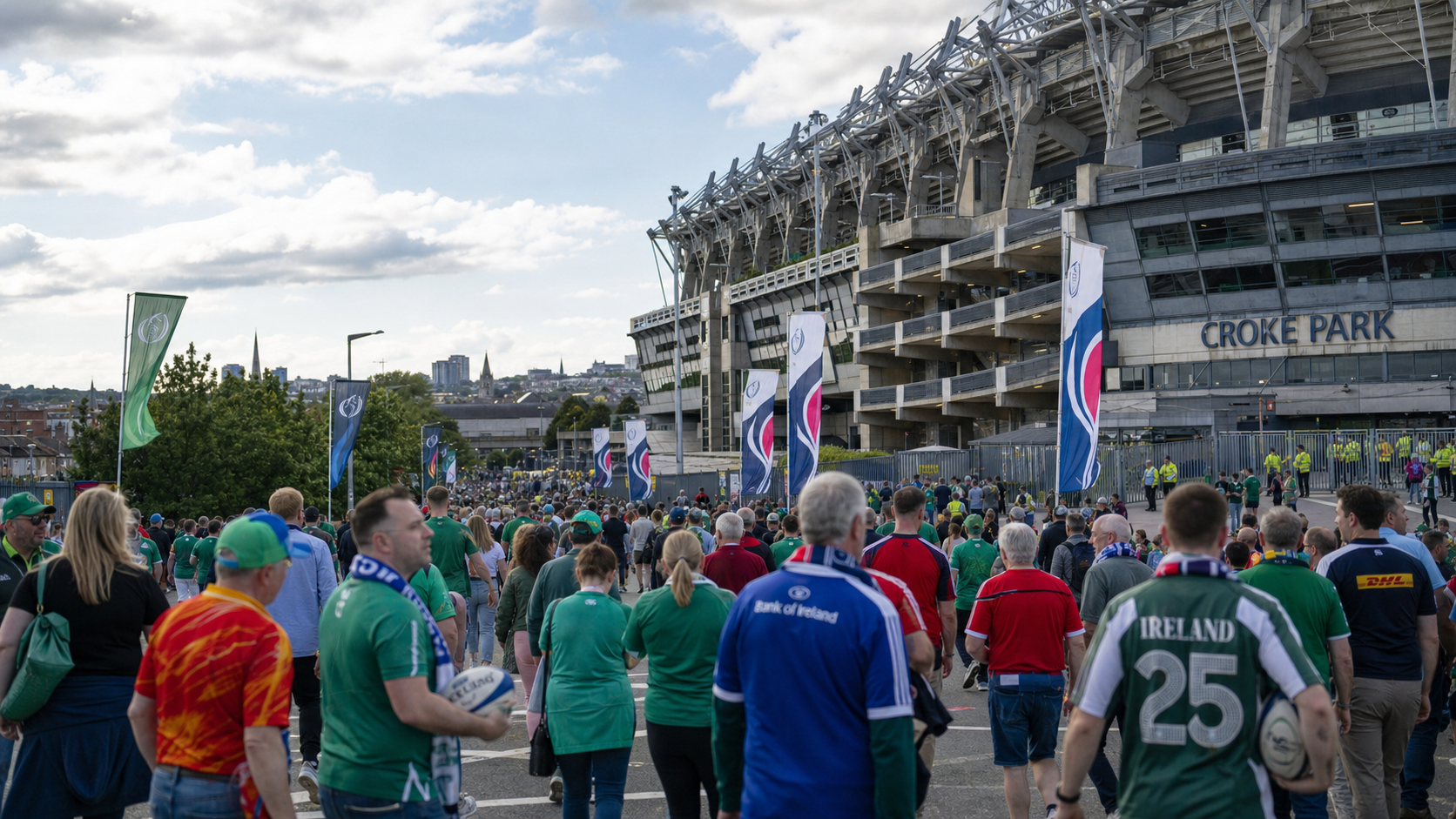
The Croke Park event itself was a logistical and commercial triumph, demonstrating that women's boxing can fill the largest venues in Ireland when the right fighter and the right occasion align. The 80,000 attendance was a record for a women's boxing event in Ireland and one of the largest crowds ever assembled for a women's sporting event in the country.
Why It Matters
Taylor's legacy matters because it extends far beyond the sport of boxing. She demonstrated, over three decades of sustained excellence, that Irish women could compete at the very highest level of international sport and that their achievements deserved the same recognition and celebration as those of their male counterparts. The Croke Park farewell — in a stadium that has historically been associated with GAA and men's sport — was a powerful symbol of how far Irish women's sport has come since Taylor first laced up her gloves in Bray.
Her impact on participation is equally significant. Membership of boxing clubs across Ireland has grown substantially over the past decade, with women and girls accounting for a growing proportion of new members. The IABA has invested in women's coaching and competition structures, and the pipeline of talent coming through the amateur ranks suggests that Taylor's legacy will be sustained by a new generation of Irish women boxers who grew up watching her compete.
Local Impact
In Bray, County Wicklow, where Taylor grew up and began her boxing career at the Bray Boxing Club, the retirement has been marked with particular emotion. The club, which has produced several other notable boxers over the years, has been a focal point for tributes and celebrations. In Dublin, the Croke Park event brought tens of thousands of visitors to the city, with hotels, restaurants, and bars in the north inner city reporting a significant boost in trade on the night of the fight. The economic impact of the event, combined with its cultural significance, has reinforced the case for Ireland as a venue for major international sporting events.
What's Next
Taylor has indicated that she will take time to rest and reflect before deciding on the precise nature of her post-retirement involvement in boxing. The IABA is expected to seek her involvement in the development of the national women's boxing programme, and several professional promoters have expressed interest in working with her in a mentoring or advisory capacity. The question of whether Ireland can produce another boxer of Taylor's calibre — in women's or men's boxing — will be one of the defining challenges for Irish boxing in the years ahead.