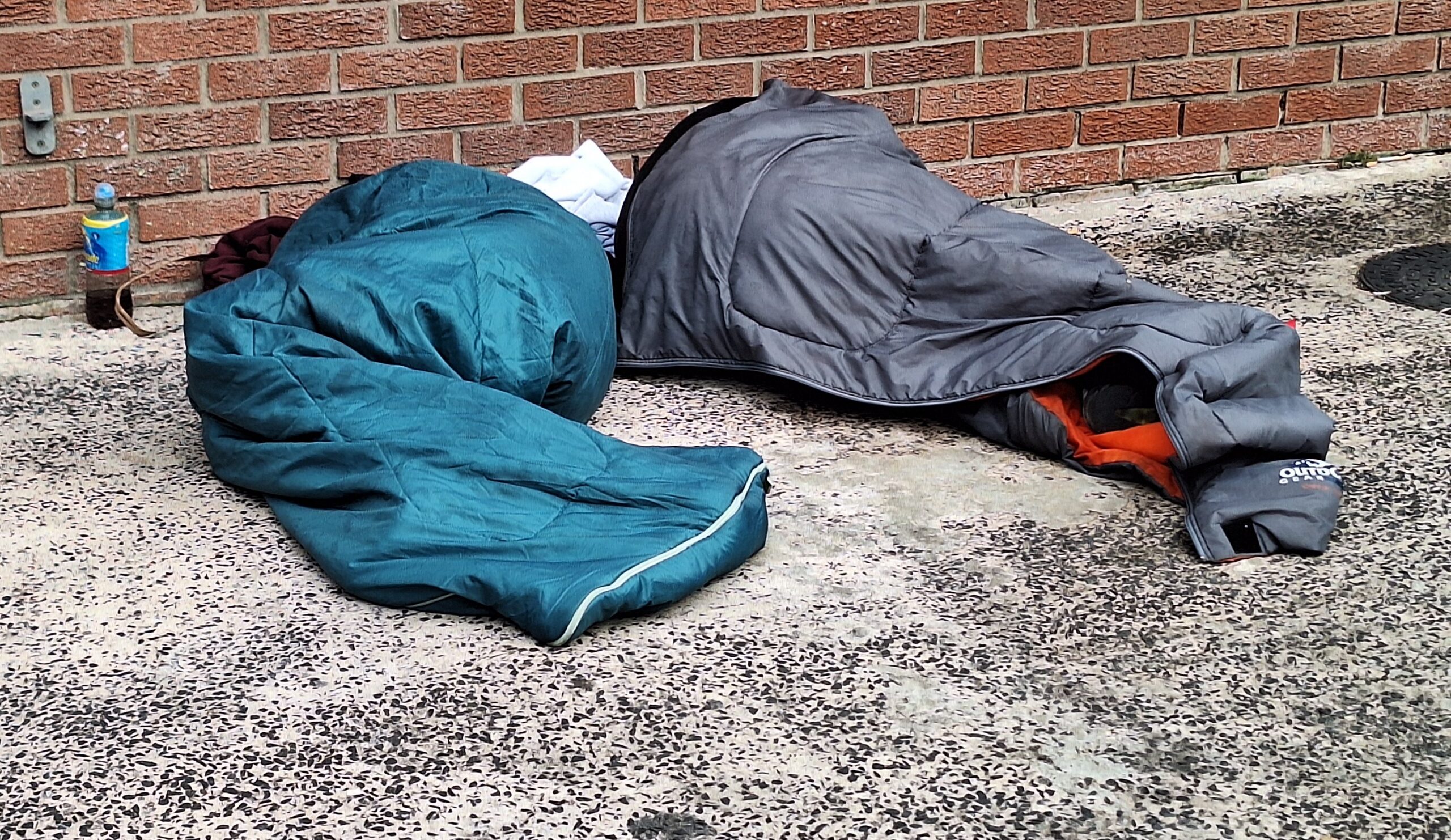
It Will Take 55 Years to Clear Social Housing Need, Dáil Told as 17,447 People Remain Homeless
The Dáil Éireann was told on Wednesday, its final sitting day before the summer recess, that based on current and emerging need, it would take approximately 55 years to clear Ireland's social housing waiting lists — a figure that drew sharp condemnation from opposition parties and housing advocacy groups. The revelation came as the number of individuals registered as homeless in the state stood at 17,447 as of late June 2026, a record high that underscores the scale of a crisis that has persisted through multiple governments and housing strategies.
Background
Ireland's housing crisis has been the defining domestic political issue of the past decade, outlasting multiple ministers, strategies, and action plans. The roots of the problem are well understood: a failure to build sufficient social and affordable housing during the Celtic Tiger years, the collapse of construction activity during the financial crisis, and a subsequent recovery that prioritised private market development over social provision. The result is a system in which demand for social housing has consistently outstripped supply, waiting lists have grown year on year, and the private rental market — which many people rely on as an alternative — has become increasingly unaffordable.
The scale of the challenge is illustrated by the numbers. At the end of 2025, there were approximately 58,000 households on social housing waiting lists across the state, a figure that has remained stubbornly high despite the construction of tens of thousands of new social homes over the past decade. The problem is not simply one of absolute numbers — it is also one of geography, with demand concentrated in Dublin, Cork, Galway, and Limerick, where land costs and planning constraints make social housing development particularly difficult and expensive.
The homelessness figures are the most visible and politically charged dimension of the crisis. The number of people in emergency accommodation has risen steadily since 2014, with brief plateaus during the pandemic followed by renewed increases. The 17,447 figure for late June 2026 includes families with children, single adults, and young people who have aged out of the care system — a diverse population with diverse needs, but united by the common experience of having no stable place to call home.
Key Developments
The 55-year figure was cited in the Dáil on Wednesday during a debate on housing policy, drawing on analysis of current social housing need and the projected rate of new social housing delivery. The figure was contested by government ministers, who argued that it did not account for planned increases in construction output, but it was not disputed as a mathematical representation of the gap between current need and current delivery rates.
The Dáil also debated a new homelessness bill before rising for the summer recess. The legislation has been criticised by Focus Ireland, one of the state's leading homelessness charities, which warned that it replaces what it described as a "humanitarian safety net" with more restrictive measures that could leave some of the most vulnerable people without access to emergency accommodation. The government has defended the bill as a necessary modernisation of the legal framework governing homelessness services, but the criticism from Focus Ireland — an organisation with considerable credibility in this area — has attracted significant attention.
The Dáil's summer recess means that the housing debate will now pause until the autumn, when TDs return to Leinster House. The 2027 Budget, which will be the next major opportunity for the government to make significant new commitments on housing, is expected to be a central focus of the autumn political season.
Why It Matters
The 55-year figure is a damning indictment of the pace of progress on social housing in Ireland. For context, the state has been aware of the social housing deficit for at least fifteen years, and successive governments have published strategies promising to address it. The fact that, despite this awareness and despite significant investment, the gap between need and supply remains so large suggests that the problem is structural rather than simply a matter of political will or financial resources. The comparison with Northern Ireland is instructive: while the NIHE faces its own severe challenges, the social housing system in the North has historically been more comprehensive and better resourced relative to population size than its southern counterpart. The Republic's reliance on the private market to deliver housing — including social housing through schemes like the Rental Accommodation Scheme and the Housing Assistance Payment — has proven to be an expensive and inefficient approach that has failed to deliver the scale of provision required.
Local Impact
The impact of the housing crisis is felt most acutely in Dublin, where the majority of homeless people are concentrated and where social housing waiting lists are longest. In areas like Ballymun, Finglas, Tallaght, and Clondalkin, families have been waiting for social housing allocations for five, seven, or even ten years. In Cork city, the waiting list has grown significantly in recent years, driven by population growth and the rising cost of private rents. In Galway, the combination of a tight housing market and a large student population has created particular pressures. For the 17,447 people currently in emergency accommodation, the summer recess of the Dáil is a reminder that the political system moves at a pace that bears little relationship to the urgency of their situation.
What's Next
The Dáil returns from its summer recess in September, when housing is expected to be among the first items on the political agenda. The Minister for Housing is expected to publish an updated housing action plan before the end of the year, incorporating revised targets for social housing construction and new measures to address homelessness. The 2027 Budget, to be announced in October, will be the key test of the government's commitment to addressing the crisis. Housing advocacy groups have called for a minimum of €5 billion in capital investment in social housing in the 2027 Budget, a figure that would represent a significant increase on current levels.