Irish Growth Forecasts Cut as Tech Sector Pivots and Global Headwinds Bite
Ireland's finance ministry has revised its domestic economic growth forecast for 2026 downwards to a range of 1.5-2.1%, citing global economic headwinds and energy price pressures — a more cautious outlook that coincides with a significant structural shift in the country's technology sector, as major multinationals including Meta and Google pivot resources away from mass hiring and towards specialised, high-value roles in emerging technologies.
Background
Ireland's economy has been one of the most dynamic in the European Union for the past three decades, driven primarily by foreign direct investment from US technology and pharmaceutical companies that have established their European headquarters in Dublin and other Irish cities. The country's low corporate tax rate, English-speaking workforce, EU membership, and strong legal and regulatory framework have made it an exceptionally attractive destination for multinational investment, and the tech sector in particular has been a major driver of employment, tax revenue, and economic growth.
However, the tech sector globally has been undergoing a significant restructuring since 2022, as the pandemic-era boom in digital services gave way to a more challenging environment characterised by rising interest rates, slowing advertising revenue, and the need to invest heavily in the development of new technologies. Major companies including Meta, Google, Microsoft, and Amazon have all implemented significant job cuts globally, and their Irish operations have not been immune to those pressures.
The Irish government has been monitoring these trends closely, and the finance ministry's revised growth forecast reflects a more cautious assessment of the near-term outlook for the economy than was contained in the budget projections published last October.
Key Developments
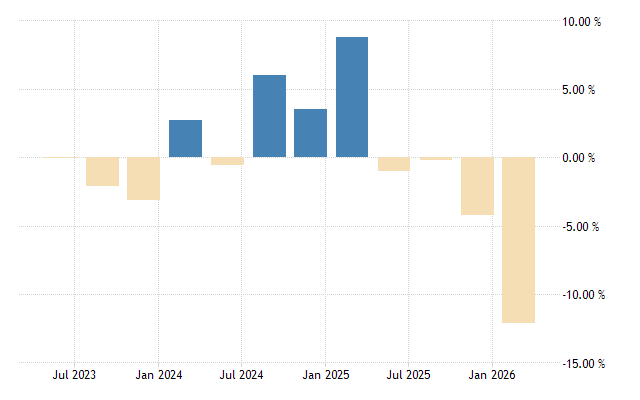
The finance ministry's revised forecast of 1.5-2.1% growth for 2026 is significantly below the Central Bank of Ireland's earlier projection of 3.0% growth for the year. The downward revision reflects a combination of factors: the impact of ongoing global conflicts on energy prices, the slowdown in the tech sector's contribution to Irish economic growth, and the broader uncertainty in the global trading environment.
Meta has reduced its Irish workforce by 20% as part of a global restructuring aimed at reallocating capital and talent towards new technology development programmes. Google and Microsoft have implemented smaller but still significant reductions in their Irish headcounts. IDA Ireland, the foreign direct investment agency, has sought to contextualise these reductions, pointing to continued net job growth in the tech sector overall and to the emergence of new investment in areas such as data centres, cloud computing, and advanced technology research. The shift in the tech sector is characterised by a move away from large-scale hiring of generalist roles — customer support, sales, marketing — towards a focus on smaller numbers of highly specialised engineers, data scientists, and researchers.
Why It Matters
Ireland's economic model has been built on the assumption of continued strong foreign direct investment, and any sustained slowdown in that investment would have significant consequences for public finances, employment, and living standards. The revised growth forecast is a reminder that the Irish economy, for all its strengths, remains heavily dependent on the investment decisions of a relatively small number of large multinational companies — a concentration of risk that successive governments have acknowledged but struggled to address.
The pivot within the tech sector is both a challenge and an opportunity for Ireland. The challenge is that the skills required for the next generation of tech roles are different from those that have driven tech employment growth in Ireland over the past two decades, and the education and training system will need to adapt quickly to meet the new demand. The opportunity is that Ireland's existing tech infrastructure — its data centres, its fibre networks, its pool of experienced tech workers — provides a strong foundation for attracting next-generation investment. IDA Ireland has already identified advanced technology as a priority sector for its inward investment strategy, and several major research facilities have been established in Ireland in recent years.
Local Impact
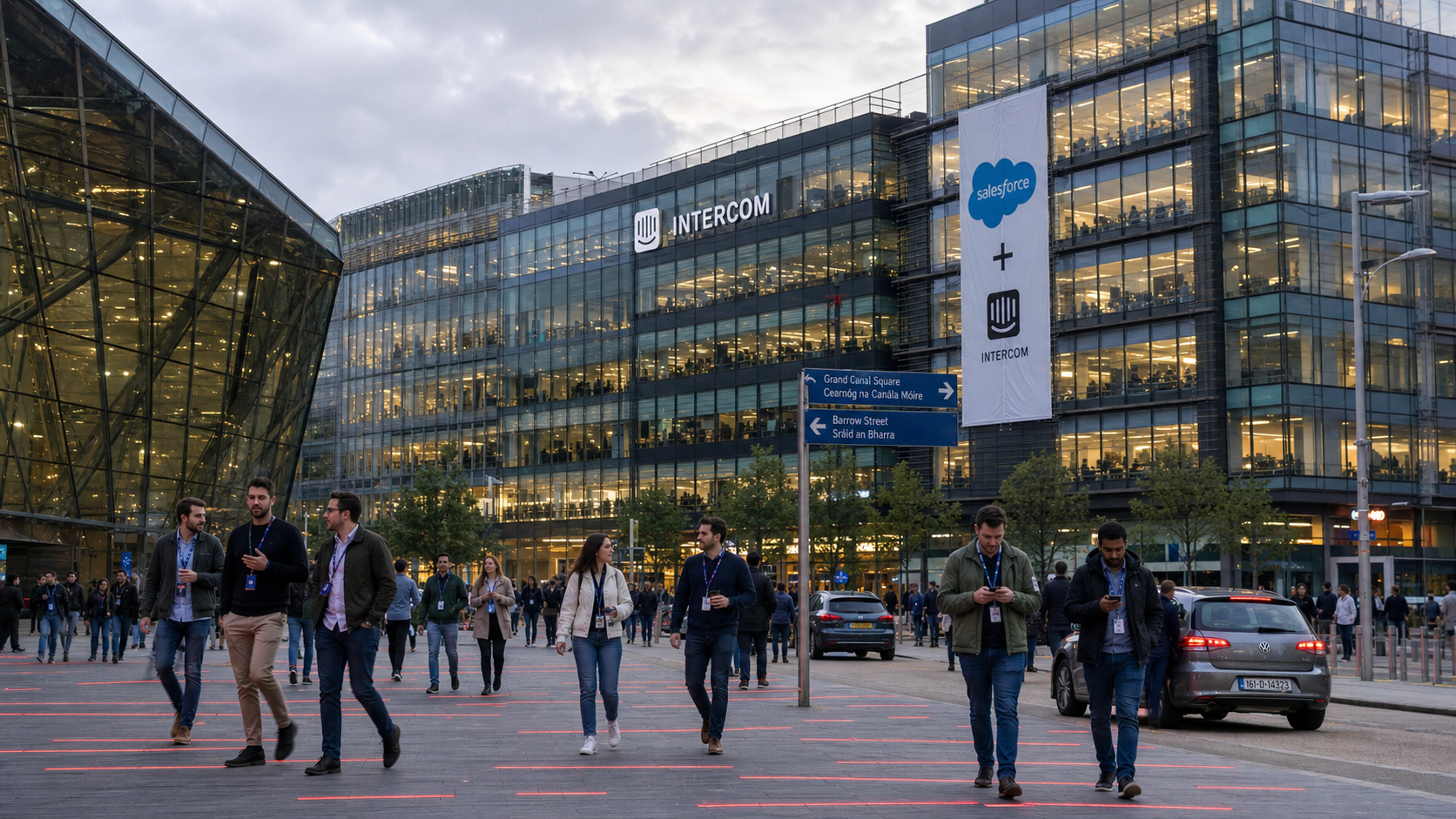
The tech sector restructuring has been felt most acutely in Dublin, where the majority of Ireland's multinational tech employment is concentrated. Areas including the Docklands, Grand Canal Dock, and the south inner city — which have been transformed by tech investment over the past fifteen years — are seeing some of the consequences of the restructuring, with reduced office occupancy and some commercial property vacancies. However, the impact has been less severe than in some other tech hubs globally, reflecting the diversity of Ireland's tech sector and the continued strength of investment in areas such as cloud computing and financial technology. Cork, Galway, and Limerick, which have developed their own tech clusters in recent years, have been somewhat less affected by the restructuring than Dublin.
What's Next
The finance ministry will publish its mid-year economic review in July, which will provide a more detailed assessment of the growth outlook and the factors driving the revised forecast. IDA Ireland's annual report, expected in September, will provide data on inward investment trends and the pipeline of new projects. The government's autumn budget, to be presented in October, will need to reflect the revised growth outlook in its fiscal projections, and there may be implications for public spending plans if the lower growth trajectory is sustained into 2027.