Croi Conaithe Scheme Under Fire as Average Apartment Subsidy Reaches 120,000 Euro
The government's flagship Croi Conaithe (Cities) apartment subsidy scheme is facing mounting criticism after analysis revealed it has committed 321.1 million euro — 71% of its total 450 million euro fund — to support the construction of just 2,662 homes, an average subsidy of over 120,000 euro per apartment that has prompted questions about value for money and the fundamental economics of apartment construction in Ireland's major cities.
Background
The Croi Conaithe (Cities) scheme was introduced in 2022 as a response to the well-documented problem of apartment construction viability in Ireland. The core issue is straightforward: the cost of building apartments in Irish cities — particularly in Dublin, but also in Cork, Galway, and Limerick — is so high that developers cannot sell or rent them at prices that cover construction costs without making a loss. This viability gap has been the primary reason why apartment construction in Ireland has remained far below the levels needed to address the housing shortage, despite strong demand and rising prices.
The scheme was designed to bridge that viability gap by providing direct financial support to developers who could demonstrate that their projects were not viable without subsidy. In theory, this would unlock apartment construction that would otherwise not happen, adding to housing supply and, over time, moderating price growth. The scheme was initially allocated 450 million euro and was expected to support the construction of several thousand apartments across the country's major urban centres.
The scheme has been controversial from the outset, with critics arguing that it represents a subsidy to developers rather than a solution to the structural problems — planning delays, construction costs, and land prices — that make apartment construction unviable in the first place. Supporters have argued that, whatever its imperfections, the scheme is delivering apartments that would not otherwise be built.
Key Developments
The latest analysis, published on 22 June, shows that the scheme has committed 321.1 million euro to support 2,662 homes — an average subsidy of 120,600 euro per apartment. This is significantly higher than the average subsidy that was anticipated when the scheme was designed, reflecting the extent to which construction costs have continued to rise since the scheme was introduced.
The construction cost data underlying the scheme's high subsidy levels is stark. A two-bedroom apartment in Dublin costs between 559,000 and 605,000 euro to build, before land costs and developer profit are factored in. In Cork, Galway, and Limerick, the equivalent figure is 509,000 to 538,000 euro. These costs reflect a combination of factors including high labour costs, expensive materials, complex planning requirements, and the structural characteristics of apartment construction — which is inherently more expensive per unit than house construction. The Department of Housing has defended the scheme, arguing that the apartments it has supported would not have been built without the subsidy and that the alternative — no apartments — would be worse for housing supply than expensive apartments.
Why It Matters
The Croi Conaithe data is a window into the fundamental economics of Ireland's housing crisis. The fact that it costs more than half a million euros to build a two-bedroom apartment in Cork or Galway — before land costs — explains why the private market has been unable to deliver the apartment supply that Ireland's growing urban population needs. It also explains why the housing crisis has proved so resistant to policy intervention: the problem is not primarily one of planning or finance, but of the underlying cost structure of construction in Ireland.
The 120,000 euro average subsidy per apartment is a significant public expenditure, and the question of whether it represents good value for money is legitimate. The alternative — not building the apartments — would leave families without homes and would add to the pressure on rents and house prices. But the scale of the subsidy also raises questions about whether the government is addressing the symptoms of the housing crisis rather than its causes, and whether the money could be better spent on measures that would reduce construction costs directly. The scheme's performance will be a central issue in the Dail's housing committee hearings in the autumn.
Local Impact
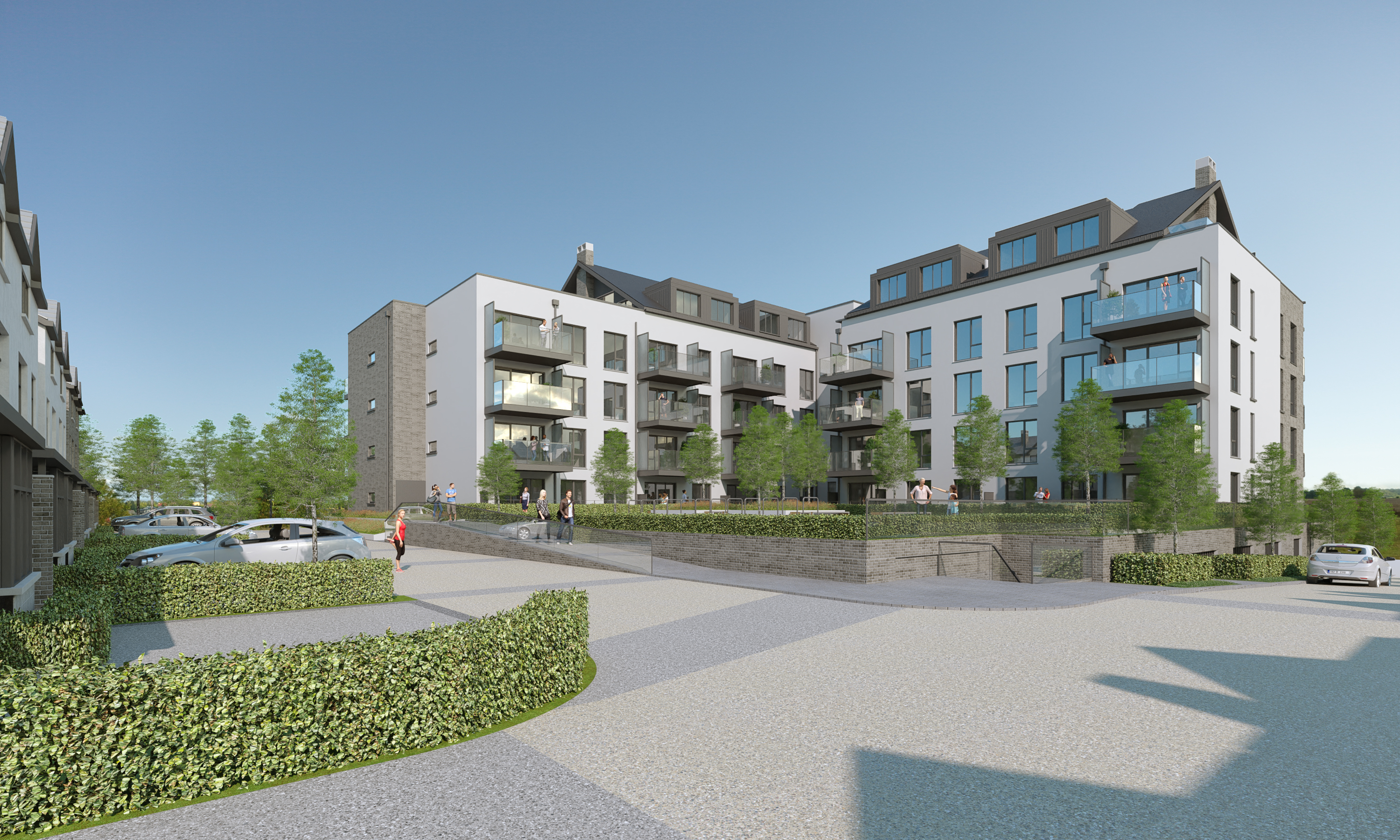
The apartments supported by the Croi Conaithe scheme are located primarily in Dublin, Cork, Galway, and Limerick, with a smaller number in Waterford and other urban centres. In Dublin, the scheme has supported projects in areas including the Docklands, Clongriffin, and Cherrywood — areas where apartment construction has been particularly challenging due to high land costs and complex planning requirements. In Cork, projects in the city centre and in the Mahon area have benefited from the scheme. The apartments, once completed, will provide homes for families and individuals who would otherwise be competing for a very limited supply of rental and purchase properties in those cities.
What's Next
The Department of Housing is expected to publish a review of the Croi Conaithe scheme in the autumn, assessing its performance against its original objectives and considering whether changes to its design are needed. The review will be informed by the latest construction cost data and by the experience of the projects that have been supported to date. The government has also committed to a broader review of apartment construction viability, which will examine the planning, regulatory, and cost factors that make apartment construction so expensive in Ireland and consider what structural changes might be needed to address them.