Irish Community in Britain Marks 50 Years of the London Irish Centre as Diaspora Support Network Faces New Challenges
The London Irish Centre is marking 50 years of service to the Irish community in Britain, having supported hundreds of thousands of emigrants through welfare services, cultural programmes, and community events since its founding in 1976. The anniversary, being celebrated this month with a series of events at the centre's Camden home, comes as the organisation faces new challenges in supporting a diaspora that has changed dramatically in character and need over five decades — from the manual workers and domestic servants of the 1970s to the tech professionals and healthcare workers of the 2020s.
Background
The London Irish Centre was established in 1976 in Camden, north London, at a time when the Irish community in Britain was facing significant challenges. The post-war wave of Irish emigration had brought hundreds of thousands of people to British cities, many of them poorly educated, working in low-paid manual jobs, and living in conditions of considerable hardship. Discrimination against Irish people in Britain — captured in the notorious "No Irish, No Blacks, No Dogs" signs that appeared in some boarding house windows — was a real and painful feature of life for many emigrants. The centre was established to provide practical support — welfare advice, housing assistance, employment guidance — and to create a space where Irish people could maintain their cultural identity and community connections in a sometimes hostile environment.
The centre's founding coincided with one of the most difficult periods in Anglo-Irish relations, as the Troubles in Northern Ireland cast a shadow over the Irish community in Britain. Irish people in Britain faced suspicion and, in some cases, harassment in the aftermath of IRA bombings on the British mainland, and the centre played an important role in supporting community members who were caught up in the miscarriages of justice that followed — including the Guildford Four and the Birmingham Six, whose wrongful convictions were among the most serious failures of the British justice system in the twentieth century.
Over the five decades since its founding, the centre has evolved significantly. The Irish community in Britain has changed — it is more educated, more economically diverse, and more integrated into British society than the community of the 1970s. But the need for community support has not disappeared; it has simply changed in character. Social isolation, mental health challenges, and the particular difficulties of ageing in a country that is not one's own are among the issues that the centre now addresses alongside its traditional welfare and cultural programmes.
Key Developments
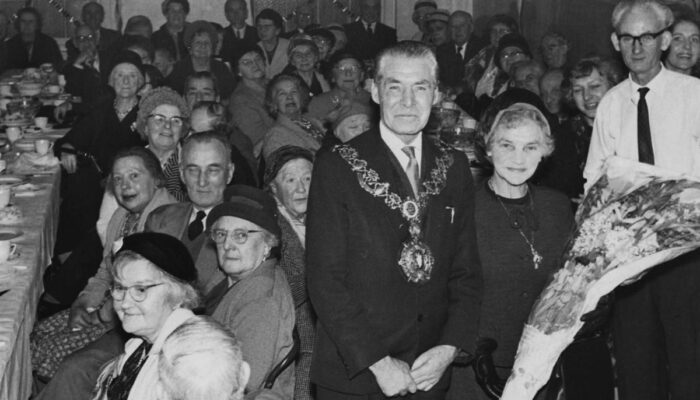
The 50th anniversary is being marked with a series of events at the centre's Camden premises throughout July, including a gala dinner, a photographic exhibition documenting five decades of Irish community life in London, and a series of talks and panel discussions exploring the changing nature of the Irish diaspora in Britain. Former service users, volunteers, and staff members have been invited to share their memories of the centre, and the event has attracted messages of congratulation from the Irish Government, the British-Irish Council, and Irish community organisations across the United Kingdom.
The anniversary comes at a significant moment for the centre. The Irish Government's new Diaspora Strategy 2026-2030, launched this week, includes a substantial increase in Emigrant Support Programme funding that will benefit the London Irish Centre and other Irish community organisations in Britain. The centre has welcomed the increased funding and has indicated that it will use it to expand its welfare services, to develop new programmes for younger Irish emigrants, and to invest in its digital infrastructure to reach community members who cannot access the centre in person.
The centre's chief executive has spoken of the challenges of serving a diaspora that is increasingly diverse and geographically dispersed. The Irish community in London is no longer concentrated in the traditional areas of Irish settlement — Kilburn, Cricklewood, Hammersmith — but is spread across the city and its suburbs, making it harder to reach through a single physical location. Digital outreach, partnerships with Irish community groups across London, and mobile services are all part of the centre's response to this challenge.
Why It Matters
The London Irish Centre's 50th anniversary is an opportunity to reflect on the extraordinary contribution that Irish emigrants have made to British society over the past century and more. Irish people have built Britain's roads, hospitals, and schools; they have staffed its NHS; they have enriched its cultural life; and they have maintained, across generations, a connection to Ireland that has shaped the relationship between the two islands in ways that go far beyond the political. The centre has been a vital part of that story — a place where Irish identity has been nurtured, where community has been built, and where people in need have found support.
The anniversary also matters as a reminder of the ongoing need for diaspora support services. The assumption that Irish emigrants in Britain no longer need the kind of support that the centre was established to provide is not borne out by the evidence. Social isolation, mental health difficulties, and the challenges of ageing in a foreign country affect Irish people in Britain as they affect emigrants everywhere, and the centre's welfare services remain as important as they were in 1976 — even if the nature of the need has changed.
Local Impact
The anniversary celebrations are drawing Irish community members from across London and beyond, with former emigrants returning to Camden for the first time in years to mark the occasion. The photographic exhibition, which documents five decades of Irish community life in London through images from the centre's archive, has attracted significant interest from both the Irish community and from Londoners with no Irish connection who are curious about the history of one of the city's most distinctive immigrant communities. The Irish Embassy in London has been closely involved in the anniversary celebrations, and Ambassador Síobhán Ní Bhriain has spoken of the centre's importance as a symbol of the enduring connection between Ireland and the Irish community in Britain.
What's Next
The London Irish Centre's anniversary celebrations continue throughout July, with the programme of events concluding with a community céilí on the final weekend of the month. The centre will publish a commemorative history of its first 50 years in the autumn, drawing on its archive and on the memories of former staff, volunteers, and service users. Looking ahead, the centre is developing a new five-year strategic plan that will set out its priorities for the period 2027-2031, informed by the Irish Government's new Diaspora Strategy and by the centre's own assessment of the changing needs of the Irish community in Britain.