Dublin Man Runs 1,000km from Malin Head to Mizen Head and Back for Family Carers Ireland in Third Attempt
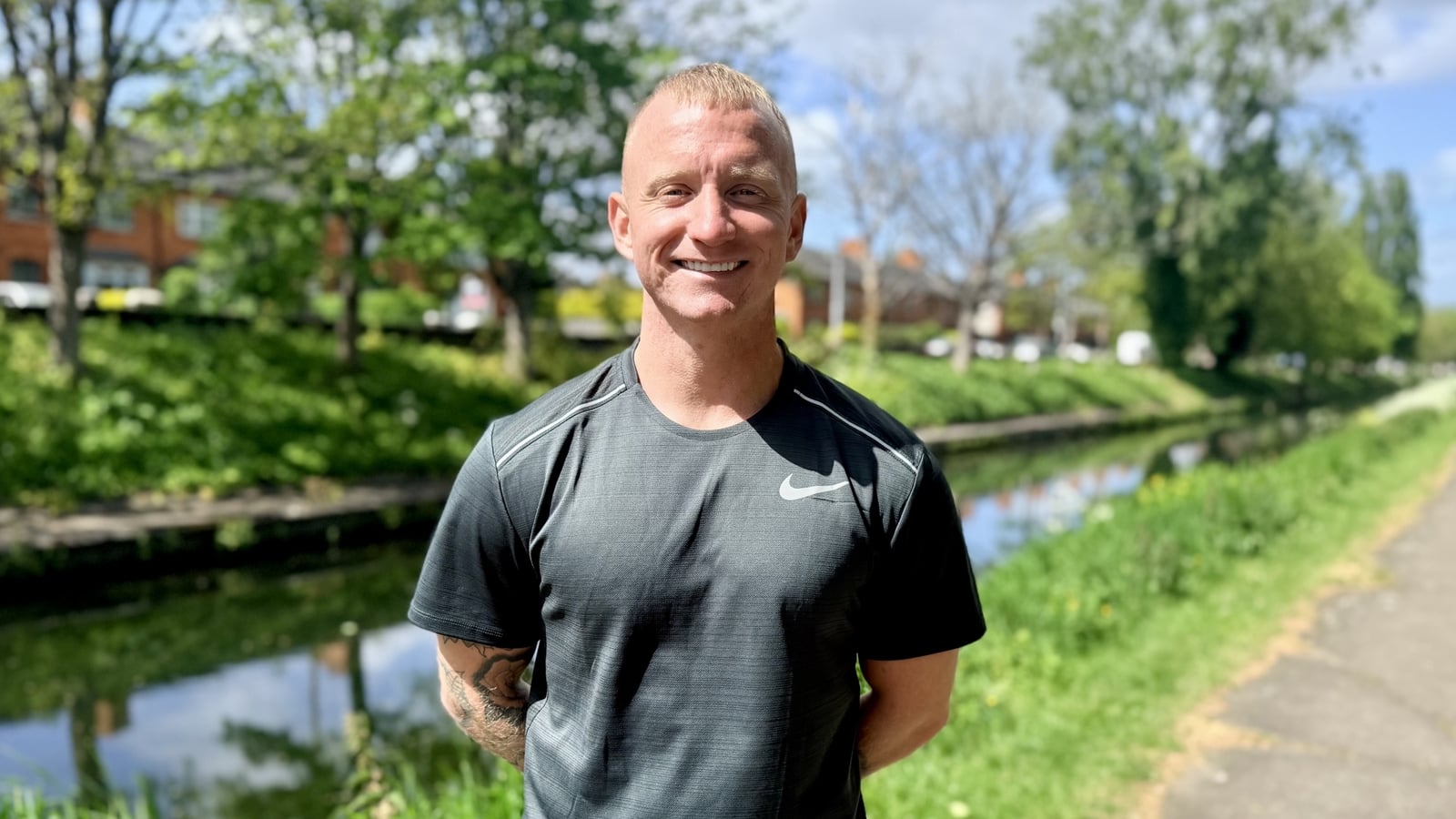
Chris Connolly, a Dublin man who has used running as a central pillar of his recovery from addiction, has embarked on his third attempt at a gruelling 1,000-kilometre charity run from Malin Head in County Donegal to Mizen Head in County Cork and back, raising funds for Family Carers Ireland and drawing a powerful parallel between the physical and emotional demands of the challenge and the journey of recovery itself.
Background
Chris Connolly's story is one of remarkable personal transformation. Having struggled with addiction for a significant period of his adult life, he discovered running as a tool for recovery — a discipline that provided structure, purpose, and a sense of achievement that helped to fill the void left by substance use. Running, he has said, gave him back a sense of control over his own body and his own life at a time when both felt entirely beyond his grasp.
The Malin Head to Mizen Head route — which covers the full length of the island of Ireland from its most northerly point to its most southerly — is one of the most iconic long-distance challenges in Irish endurance sport. The route passes through some of the most spectacular and varied landscapes in Ireland, from the dramatic cliffs and headlands of Donegal and the rolling hills of Connacht to the lush farmland of Munster and the rugged coastline of West Cork. It is a route that demands not just physical fitness but mental resilience, navigational skill, and the ability to manage the inevitable setbacks that arise over a journey of this length.
Connolly's decision to run the route not once but twice — from Malin Head to Mizen Head and back — doubles the challenge and the distance, creating a test of endurance that very few people have attempted. His choice of Family Carers Ireland as the beneficiary of his fundraising reflects a personal connection to the cause: he has spoken publicly about the role that family members played in supporting his recovery, and his desire to give something back to the organisation that supports the estimated 500,000 family carers across Ireland is a direct expression of that gratitude.
Key Developments
Connolly set off on his third attempt at the challenge in July 2026, having made two previous attempts that were curtailed by injury and other circumstances. His decision to try again — for the third time — is itself a powerful statement about the nature of recovery and resilience. "I'll make mistakes, I'll fail, but I need to continue to get back up," he has said. "This is me getting back up for a third time." The parallel between the physical challenge of the run and the emotional challenge of recovery is one that he draws explicitly and that has resonated deeply with his growing online following.
Connolly is documenting his journey on social media, sharing daily updates on his progress, his physical condition, and his emotional state as he makes his way along the route. The updates have attracted a significant following, with thousands of people across Ireland and the Irish diaspora following his progress and contributing to his fundraising campaign. The response has been particularly strong from the recovery community, where Connolly's story has become an inspiration for others who are navigating their own journeys out of addiction.
Family Carers Ireland, the organisation that will benefit from Connolly's fundraising, provides support, information, and advocacy for the estimated 500,000 people across Ireland who provide unpaid care for family members with disabilities, chronic illnesses, or age-related conditions. The organisation's work is vital but often invisible, and the profile that Connolly's challenge brings to the cause is a significant contribution to its advocacy efforts as well as to its fundraising.
Why It Matters
Chris Connolly's challenge matters on several levels. As a fundraising effort, it has the potential to raise significant sums for Family Carers Ireland, an organisation that is chronically underfunded relative to the scale of the need it addresses. As a personal story, it is a powerful testament to the transformative potential of sport and physical activity in the context of recovery from addiction — a message that has the potential to reach and inspire people who are struggling with similar challenges. And as a public statement about resilience and the willingness to try again after failure, it is a reminder of the values that are at the heart of Irish community life.
The challenge also has a diaspora dimension. Connolly's social media following includes a significant number of Irish people living abroad, many of whom have their own connections to addiction, recovery, and the experience of caring for family members. For these members of the diaspora, Connolly's challenge is a point of connection with home and with the values and experiences that define Irish identity, wherever in the world Irish people happen to be living.
The broader context of addiction and recovery in Ireland is one in which public awareness and destigmatisation are urgently needed. Ireland has one of the highest rates of alcohol-related harm in Europe, and the stigma associated with addiction continues to prevent many people from seeking the help they need. Connolly's willingness to speak openly about his own experience of addiction and recovery is a contribution to the destigmatisation effort that goes beyond the immediate fundraising goal of his challenge.
Local Impact
The impact of Connolly's challenge is felt most directly in the communities through which he passes on his route. In towns and villages from Donegal to Cork, local people have come out to cheer him on, to offer food and water, and to make donations to his fundraising campaign. The warmth of the reception he has received along the route is a reflection of the deep respect that Irish communities have for those who take on physical challenges in the service of a good cause, and it has provided Connolly with the motivation to keep going on the days when the physical and emotional demands of the challenge have been at their most intense.
For Family Carers Ireland, the profile that Connolly's challenge brings to the organisation's work is as valuable as the funds raised. The organisation's advocacy for better recognition and support for family carers — including respite care, financial support, and access to training and information — is a cause that resonates with a wide range of Irish people, and the visibility that Connolly's challenge provides is an important contribution to that advocacy effort.
What's Next
Connolly is expected to complete his challenge in the coming weeks, with the exact timing depending on his physical condition and the weather conditions along the route. His fundraising page will remain open throughout the challenge and for a period after its completion, and he has indicated that he hopes to raise a significant sum for Family Carers Ireland. The organisation has expressed its gratitude for Connolly's efforts and has indicated that the funds raised will be used to support its frontline services for family carers across Ireland. Connolly has also indicated that he intends to use the experience of the challenge to develop a programme of running-based recovery support for people who are navigating their own journeys out of addiction.