Ireland's Hospital Waiting Lists Approach One Million as HSE Struggles to Clear Post-Pandemic Backlog
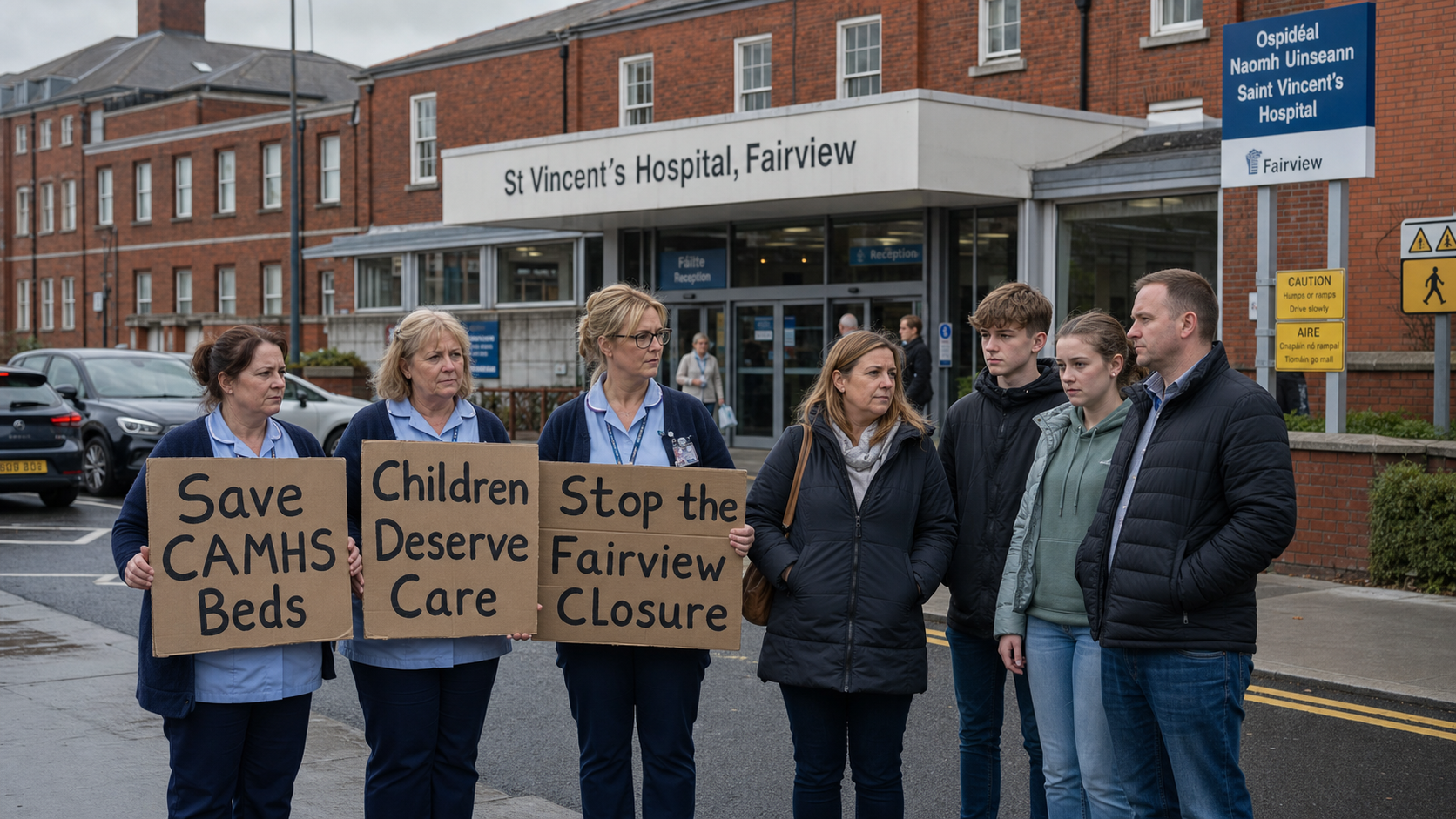
Ireland's public hospital waiting lists have reached 943,011 patients — approaching the one million mark for the first time in the history of the State — with the Irish Hospital Consultants Association warning of "extreme concern" over the scale of the backlog and the frequency of cancelled appointments, as the HSE's €27.3 billion budget for 2026 struggles to make a meaningful dent in a crisis that has been building for more than a decade.
Background
Ireland's public health system has been grappling with a waiting list crisis for many years, but the scale of the problem has reached a new level of severity in 2026. The combination of an ageing population, rising demand for specialist services, chronic underinvestment in hospital infrastructure, and the devastating impact of the Covid-19 pandemic — which led to the suspension of elective services for extended periods in 2020 and 2021 — has produced a backlog that the health system has been unable to clear despite significant additional investment.
The waiting list figure of 943,011 represents the number of patients waiting for procedures, outpatient appointments, or diagnostic scopes across the public hospital system. This figure has increased by more than 17,000 from the previous month, suggesting that the rate of new referrals is outpacing the rate at which the system is treating patients. The figure does not include patients waiting for GP appointments, mental health services, or community care — categories that would add hundreds of thousands more to the total if included.
The hospitals with the longest waiting lists are concentrated in the major urban centres. University Hospital Galway, Beaumont Hospital in Dublin, the Mater Misericordiae University Hospital, and Cork University Hospital consistently appear at the top of the waiting list tables, reflecting both the high demand for services in these areas and the particular challenges of managing large, complex acute hospitals with ageing infrastructure and workforce shortages.
Key Developments
The Irish Hospital Consultants Association (IHCA) has described the current situation as one of "extreme concern," warning that the frequency of cancelled appointments — driven by staff shortages, bed closures, and equipment failures — is adding to the backlog rather than reducing it. The IHCA has called for a fundamental review of the HSE's capacity planning, arguing that the current approach of managing demand through waiting lists rather than investing in sufficient capacity is unsustainable and is causing real harm to patients.
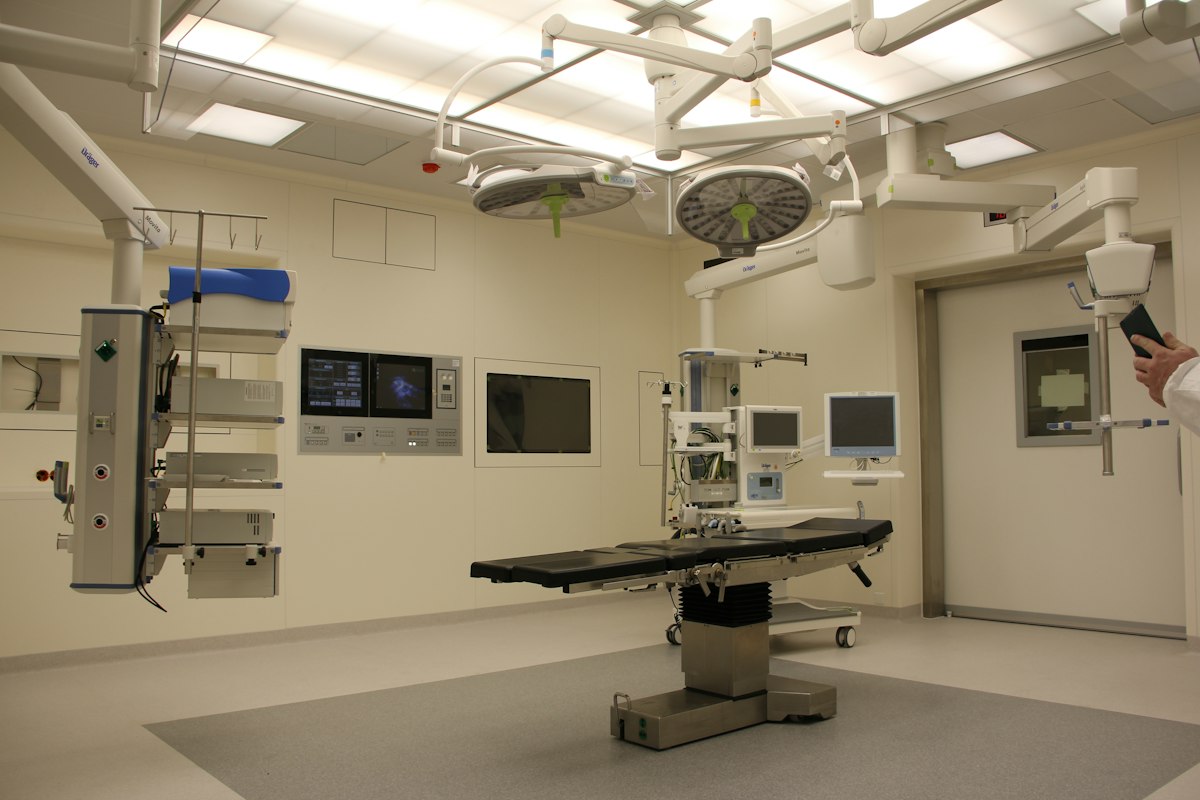
The Government's response has been to point to the €27.3 billion health budget for 2026 — the largest in the history of the State — and to the HSE service plan, which commits to adding beds, recruiting additional staff, and expanding the use of the independent sector to treat public patients. The five new surgical hubs announced earlier this year, which are expected to deliver 10,500 day cases by the end of 2026, are presented as a key element of the waiting list reduction strategy.
However, medical organisations have been sceptical about the adequacy of these measures. The Irish Medical Organisation (IMO) has warned that the recruitment of additional staff is being hampered by the shortage of trained healthcare professionals, both domestically and internationally, and that the independent sector does not have the capacity to absorb the volume of public patients that the HSE is hoping to redirect to it. The IMO has called for a long-term workforce plan that addresses the structural causes of the staffing shortage rather than relying on short-term recruitment drives.
Why It Matters
The waiting list crisis is not an abstract statistical problem — it represents real suffering for nearly one million people who are waiting for care that they need and that they are entitled to receive. For patients waiting for orthopaedic surgery, the wait means living with chronic pain that limits their mobility and their ability to work. For patients waiting for ophthalmology appointments, it means the risk of preventable vision loss. For patients waiting for cancer diagnostics, it means the possibility that a treatable condition will become untreatable by the time it is diagnosed. The human cost of the waiting list crisis is immense, and it falls disproportionately on older people, people with disabilities, and people from lower-income backgrounds who cannot afford to access private healthcare.
The approaching one million mark is also a political milestone that the Government will be anxious to avoid. A waiting list of one million patients would be a powerful symbol of the health system's failure to meet the needs of the population, and it would provide opposition parties with a compelling narrative about the Government's record on health. The pressure on the HSE and the Department of Health to demonstrate progress before the figure reaches that threshold is intense.
Local Impact
The waiting list crisis is felt differently in different parts of the country. In Galway, where University Hospital Galway serves a large catchment area across Connacht, patients from rural counties including Mayo, Roscommon, and Sligo face particularly long waits for specialist services, compounded by the distances they must travel to access care. In Dublin, the concentration of major hospitals in the city means that patients have more options, but the sheer volume of demand means that waiting times remain unacceptably long across most specialties. In Cork, the development of the new Elective Hospital at Glanmire — which is intended to take elective procedures out of the acute hospital setting and free up capacity for emergency care — is seen as a potential game-changer, but the facility is not expected to be fully operational until 2028.
What's Next
The HSE will publish its next monthly waiting list figures in July, which will provide an early indication of whether the surgical hubs and other measures are beginning to have an impact. The Oireachtas Health Committee has scheduled a series of hearings on the waiting list crisis for the autumn, at which the HSE, the IHCA, and patient advocacy groups will be invited to give evidence. The Government has indicated that it will publish a mid-year review of the HSE service plan before the summer recess, which will include an assessment of progress against the waiting list reduction targets. Health Minister Stephen Donnelly has said that reducing waiting lists is his "number one priority" for the remainder of the Government's term.