Five-City HSE Surgical Hubs to Deliver 10,500 Day Cases by End of 2026 in Bid to Slash Waiting Lists
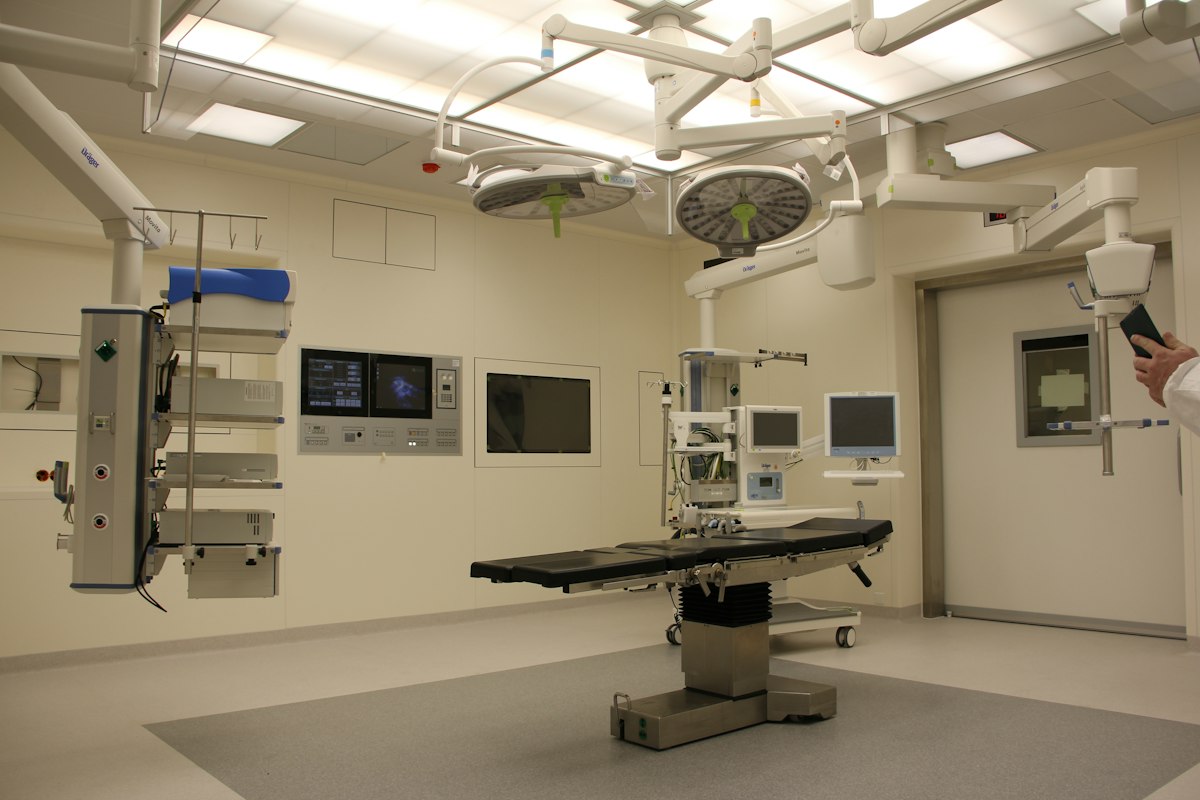
The HSE has confirmed that five dedicated surgical hubs operating in Cork, Limerick, Waterford, Galway, and North Dublin are on track to deliver a combined 10,500 day cases and 4,600 outpatient appointments by the end of 2026, representing a significant expansion of public surgical capacity as the Government seeks to make meaningful progress on Ireland's record-breaking hospital waiting lists, which have now surpassed one million patients.
Background
Ireland's hospital waiting lists have been a persistent and worsening problem for over a decade, with the number of patients waiting for outpatient appointments, diagnostic procedures, and elective surgery growing steadily despite repeated government commitments to address the issue. The waiting list crisis reached a new milestone in 2026 when the total number of patients on HSE waiting lists exceeded one million for the first time — a figure that represents approximately one in five of the country's entire population.
The Sláintecare health reform programme, which was endorsed by all parties in the Oireachtas in 2017, identified the elimination of waiting lists as one of its central objectives. The programme's approach to achieving this objective has evolved over the years, but the development of dedicated surgical hubs — facilities that focus exclusively on planned, elective procedures and are not subject to the emergency pressures that disrupt elective activity in acute hospitals — has emerged as one of the most promising strategies.
The surgical hub model was first proposed in the Sláintecare Implementation Strategy and has been developed through a series of pilot projects and feasibility studies. The five hubs now operational represent the first full-scale implementation of the model, and their performance will be closely watched as an indicator of whether the approach can deliver the scale of additional capacity needed to make a meaningful dent in the waiting list figures.
Key Developments
The five surgical hubs — located in Cork University Hospital, University Hospital Limerick, University Hospital Waterford, Galway University Hospital, and a North Dublin facility — are operating on a public-only basis, meaning that all procedures carried out in the hubs are for public patients on the HSE waiting list. This public-only model was a central requirement of the Sláintecare programme and was the subject of significant controversy when some hospital consultants sought to maintain private practice rights in the new facilities.
The HSE's confirmation that the hubs are on track to deliver 10,500 day cases and 4,600 outpatient appointments by the end of 2026 represents a significant milestone in the programme's development. Day cases — procedures that do not require an overnight hospital stay — are the primary focus of the hubs, reflecting the evidence that a large proportion of the waiting list backlog consists of procedures that can be carried out safely and efficiently on a day-case basis.
Minister for Health Jennifer Carroll MacNeill has described the surgical hubs as 'a game-changer for public patients,' arguing that the dedicated facilities will allow the HSE to deliver procedures more efficiently than is possible in the complex environment of a busy acute hospital. The Minister has also pointed to the hubs as evidence that the Sláintecare reform programme is delivering tangible results, despite the challenges of implementing major health system reform in a resource-constrained environment.
Why It Matters
The surgical hubs matter because they represent a genuine attempt to address the structural causes of Ireland's waiting list crisis rather than simply managing its symptoms. The traditional approach to waiting list management — paying for additional procedures in private hospitals through the National Treatment Purchase Fund — has been criticised for subsidising the private sector without building sustainable public capacity. The surgical hubs, by contrast, are building dedicated public capacity that will remain available to public patients in perpetuity.
The geographic spread of the five hubs — Cork, Limerick, Waterford, Galway, and North Dublin — is also significant. Previous waiting list initiatives have tended to be concentrated in Dublin, leaving patients in other parts of the country with longer waits and greater travel distances. The regional spread of the hubs reflects a commitment to addressing waiting list inequalities across the country, ensuring that patients in Cork, Galway, and Waterford have access to the same quality of timely care as those in the capital.
The public-only model is also significant from a health equity perspective. Ireland's two-tier health system — in which private patients can access faster treatment by paying for private health insurance — has been widely criticised as fundamentally unfair. The surgical hubs, by operating exclusively for public patients, represent a concrete step towards the single-tier system that Sláintecare envisages.
Local Impact
The impact of the surgical hubs will be felt most directly by the patients who receive treatment in them. For a patient who has been waiting two or three years for a hip replacement, a cataract operation, or a hernia repair, the availability of a dedicated surgical hub that can deliver the procedure quickly and efficiently is genuinely life-changing. The hubs are expected to prioritise patients who have been waiting the longest, ensuring that those who have suffered the most from the waiting list crisis are the first to benefit from the additional capacity.
In Cork, the hub at Cork University Hospital is expected to make a significant contribution to reducing waiting times for patients across Munster, drawing on the region's large population and the significant backlog of procedures that has built up over the past decade. In Galway, the hub at Galway University Hospital will serve patients from across Connacht and the west of Ireland, where waiting times have historically been among the longest in the country.
What's Next
The HSE is expected to publish a detailed performance report on the surgical hubs in the autumn, providing data on the number of procedures delivered, the waiting times achieved, and the patient experience in each of the five facilities. The report will be used to inform decisions about the future development of the hub model, including the possibility of expanding the programme to additional locations. The Government has indicated that it is committed to the surgical hub model as a long-term component of the health system, and further investment in hub capacity is expected to be included in Budget 2027.