Ireland's Historic Theatres Warn of 'Hand-to-Mouth' Existence as Funding Crisis Deepens
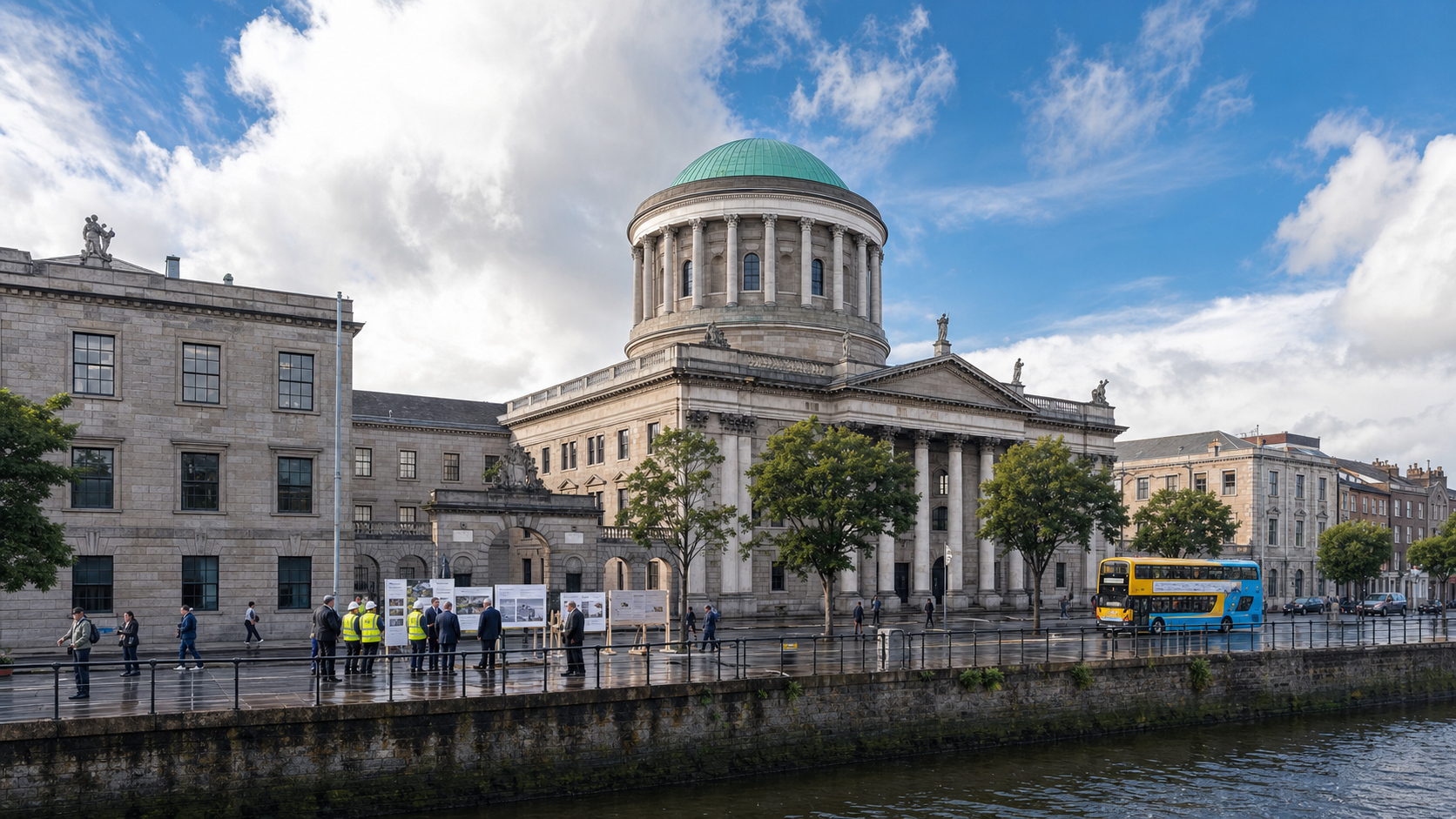
Ireland's historic theatres have warned that they are operating on a "hand-to-mouth" basis as a funding crisis threatens the survival of venues that have been at the heart of Irish cultural life for more than a century, with the Cork Everyman — founded in 1897 and one of the oldest continuously operating theatres in Ireland — among those calling for emergency state intervention to prevent permanent closures.
Background
Ireland's theatre sector has faced a succession of crises over the past decade: the austerity cuts of 2010-2015, the Covid-19 closure period of 2020-2021, and the cost-of-living crisis that has suppressed audience attendance since 2022. The Arts Council of Ireland's most recent funding round, announced in March 2026, maintained overall theatre funding at 2023 levels in cash terms — a real-terms cut of approximately 8 per cent given inflation — and several historic venues received reduced allocations.
The crisis has been building for years, but a report published by Theatre Forum Ireland on Thursday has given it new urgency. The report, based on financial data from 47 theatre organisations, found that 23 — nearly half — had less than three months of operating reserves, and that 11 had less than one month. The report described the situation as "a slow-motion emergency" that risked becoming an acute crisis if any of the affected venues faced an unexpected cost — a boiler failure, a roof repair, a legal dispute — that their reserves could not cover.
Key Developments
The Cork Everyman, which opened in 1897 as the Munster and Leinster Bank's assembly rooms before being converted to a theatre in 1922, is one of the most prominent venues to have spoken publicly about its financial difficulties. Artistic director Julie Kelleher told the Irish Independent that the theatre was "genuinely living hand-to-mouth" and that the Arts Council's funding allocation for 2026 — €380,000 — covered less than 40 per cent of the venue's operating costs. The remainder had to be raised through box office income, corporate sponsorship, and fundraising, all of which had become more difficult in the current economic climate.
Kelleher invoked the words of Stephen Sondheim — "art, in itself, is an attempt to bring order out of chaos" — to argue that the theatre's role in Cork's cultural and social life was not a luxury but a necessity. "When people are under economic pressure, they need art more, not less," she said. "The theatre is where the community comes to make sense of itself."
The Gate Theatre in Dublin, which has been at the centre of Irish theatrical life since its founding by Hilton Edwards and Micheál Mac Liammóir in 1928, also contributed to the Theatre Forum report, warning that its current funding level was "not sustainable" and that it would need to reduce its programming significantly if the situation did not improve. The Abbey Theatre, as the national theatre, receives substantially higher Arts Council funding, but even it has warned that its education and outreach programmes are under threat.
Theatre Forum Ireland called on the Government to establish an emergency fund of €5 million for historic theatre buildings, separate from the Arts Council's regular funding rounds, to address the backlog of essential maintenance and capital repairs that has accumulated during years of underfunding. The organisation also called for a review of the Arts Council's funding methodology, arguing that the current system disadvantages historic venues with high fixed costs relative to newer, purpose-built facilities.
Why It Matters
The funding crisis in Ireland's historic theatres matters because these venues are not simply commercial entertainment businesses — they are cultural institutions that have shaped Irish identity and provided a platform for Irish writers, directors, and performers for generations. The Cork Everyman has staged the world premieres of plays by Enda Walsh, Marina Carr, and Conor McPherson. The Gate Theatre introduced Samuel Beckett and Brian Friel to international audiences. The loss of any of these venues would be irreversible — historic buildings cannot be rebuilt once they are gone.
The crisis also has economic dimensions. Ireland's theatre sector employs approximately 4,200 people directly and generates an estimated €180 million in economic activity annually, including tourism spending by visitors who attend performances. The closure of historic venues would not only destroy cultural assets but would also damage the tourism economy of the cities in which they are located.
The Government's response to the Theatre Forum report will be a test of its commitment to the arts at a time when housing, health, and infrastructure are competing for scarce public resources. The arts sector has historically been one of the first areas to face cuts in times of fiscal pressure, and the current situation — in which the Government is running a surplus but choosing not to increase arts funding — is particularly frustrating for those in the sector.
Local Impact
Beyond Cork and Dublin, the funding crisis affects theatres across the country. The Druid Theatre in Galway, which has an international reputation for its productions of Irish classics, has warned that it may have to cancel its annual touring programme if its funding situation does not improve. The Lyric Theatre in Belfast — which receives funding from both the Arts Council of Northern Ireland and the Arts Council of Ireland — has said that the divergence in funding levels between the two jurisdictions is creating operational difficulties. In Limerick, the Belltable Arts Centre has reduced its programming from 52 to 38 weeks per year due to funding constraints. In Waterford, the Theatre Royal — one of the oldest theatres in Ireland, dating from 1788 — has launched a public fundraising campaign to cover essential roof repairs.
What's Next
The Minister for Arts Catherine Martin has said she will meet with Theatre Forum Ireland representatives next week to discuss the report's findings. The Arts Council has said it will review its funding methodology as part of its next strategic planning cycle, which begins in September. The Government's supplementary budget, expected in October, will be closely watched by the arts sector for any emergency funding measures. Theatre Forum Ireland has said it will publish a follow-up report in September that will include case studies of specific venues at risk of closure.