Ireland's Absolute Drought Deepens as Hosepipe Ban Enters Second Week and Wildfires Spread
Ireland's prolonged dry spell has deepened into a full climatological 'absolute drought' across most of the country, with Met Éireann reporting that 17 of its 25 monitoring stations have now recorded 15 or more consecutive days without meaningful rainfall, as the nationwide hosepipe ban that came into force on July 24 remains in place and wildfires continue to burn in counties Tipperary, Dublin, Wicklow, and Kerry.
Background
Ireland's climate is characterised by its mild, wet Atlantic weather — a reputation that makes the current drought all the more striking. The country has experienced dry spells before, most notably in the summer of 2018, when a prolonged heatwave led to widespread water shortages and grass fires across the country. But the 2026 drought is shaping up to be more severe and more prolonged than that episode, with the combination of high temperatures and an almost complete absence of rainfall creating conditions that are genuinely exceptional in the Irish meteorological record.
The term 'absolute drought' has a specific meteorological definition: 15 or more consecutive days on which less than 0.2mm of rainfall is recorded. By late July 2026, 17 of Met Éireann's 25 monitoring stations had reached this threshold, with the driest conditions concentrated in the east and midlands of the country. The west of Ireland, which typically receives the highest rainfall, has been somewhat less affected, though even there the dry spell has been notable.
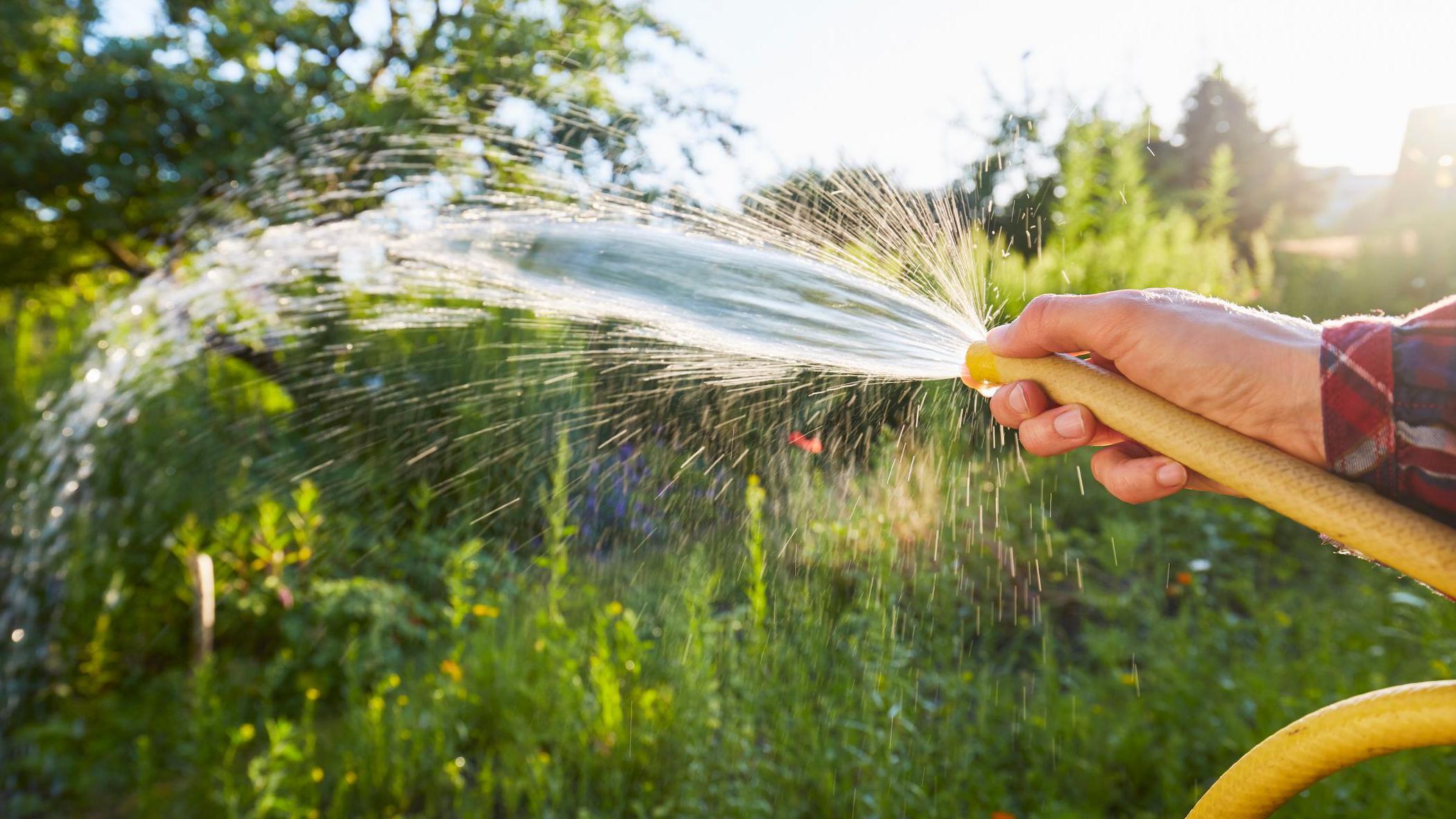
Uisce Éireann (Irish Water) initially introduced a water conservation order for the Greater Dublin Area and parts of Kildare, Meath, Wexford, Wicklow, and south Tipperary on July 16, before extending the measure to a nationwide hosepipe ban on July 24. The ban prohibits the use of hosepipes for watering private gardens, washing vehicles and leisure boats, filling domestic swimming or paddling pools, and operating ornamental fountains or garden ponds.
Key Developments
Daily water demand in the Greater Dublin Area has spiked to approximately 50 million litres above the year-to-date average, placing significant strain on treatment plants and distribution networks. Uisce Éireann has implemented night-time water restrictions on 53 public water supplies to manage the high demand and protect essential services, including hospitals and nursing homes. Several groundwater sources have shown signs of stress, with reduced or zero yields reported at monitoring points across the midlands and east.
The wildfire situation has added a further dimension of urgency to the crisis. A major fire at Slievenamon in Co Tipperary, which broke out earlier in the week, has spread into Coillte-managed forest, with crews from the fire service, Coillte, and the Defence Forces working to contain the blaze. Fires have also been reported in the Dublin and Wicklow mountains, where the combination of dry vegetation and high temperatures has created conditions of extreme fire risk. The National Parks and Wildlife Service has issued guidance urging the public to avoid lighting fires in national parks and nature reserves.
The agricultural sector is also feeling the strain. The potato and horticulture sectors have reported reduced yields and slowed growth, with carrots, brassicas, tomatoes, and peppers among the crops most affected. The Irish Farmers' Association has called on the government to activate emergency support measures for affected growers, arguing that the scale of the losses justifies intervention.
Why It Matters
The 2026 drought is a vivid illustration of the real-world consequences of climate change for Ireland. While the country has historically been insulated from the most severe effects of warming by its Atlantic location, the increasing frequency and intensity of summer dry spells is a trend that climate scientists have been warning about for years. The current drought is not an isolated event — it follows a pattern of increasingly warm and dry summers that has been evident across Ireland and the wider north-west European region over the past decade. For water infrastructure, the drought exposes the vulnerability of a system that was designed for a wetter climate and has not been adequately upgraded to cope with the demands of a growing population and changing weather patterns. Uisce Éireann has acknowledged that significant investment in water storage and distribution capacity will be required in the coming years.
Local Impact
The hosepipe ban affects all households across the Republic of Ireland, with Uisce Éireann warning that breaches could result in fines of up to €125. In Dublin, the night-time restrictions on 53 public water supplies have affected households in areas including parts of Fingal, South Dublin, and Dún Laoghaire-Rathdown, where residents have been asked to minimise water use between 11:00 pm and 6:00 am. The HSE has confirmed that hospitals and nursing homes are exempt from the restrictions and that essential health services will not be affected. Bus Éireann and Irish Rail have both confirmed that their operations are not affected by the water restrictions, though both have urged staff and passengers to conserve water where possible.
What's Next
Met Éireann's forecast for the remainder of July offers little relief, with high pressure expected to dominate through the end of the month and into early August. The first meaningful rainfall is not expected until at least the second week of August, by which point the drought will have lasted for more than six weeks in the worst-affected areas. Uisce Éireann has indicated that the hosepipe ban will remain in place until water levels in reservoirs and groundwater sources recover to safe levels, a process that could take several weeks even after rainfall resumes. The government's emergency response team is meeting daily to monitor the situation and coordinate the national response.