Aughinish Alumina Report Published: Government Finds No Adverse Evidence but Cannot Rule Out Russian Military Use
The Irish government has published the findings of its investigation into the Aughinish Alumina refinery in Co Limerick, owned by Russian metals giant Rusal, concluding that there are no 'adverse findings' or concrete evidence linking the plant's output to Russian military contractors, while acknowledging that the lack of verifiable internal trade data within Russia makes it impossible to definitively rule out the possibility that the material is entering the Russian military supply chain.
Background
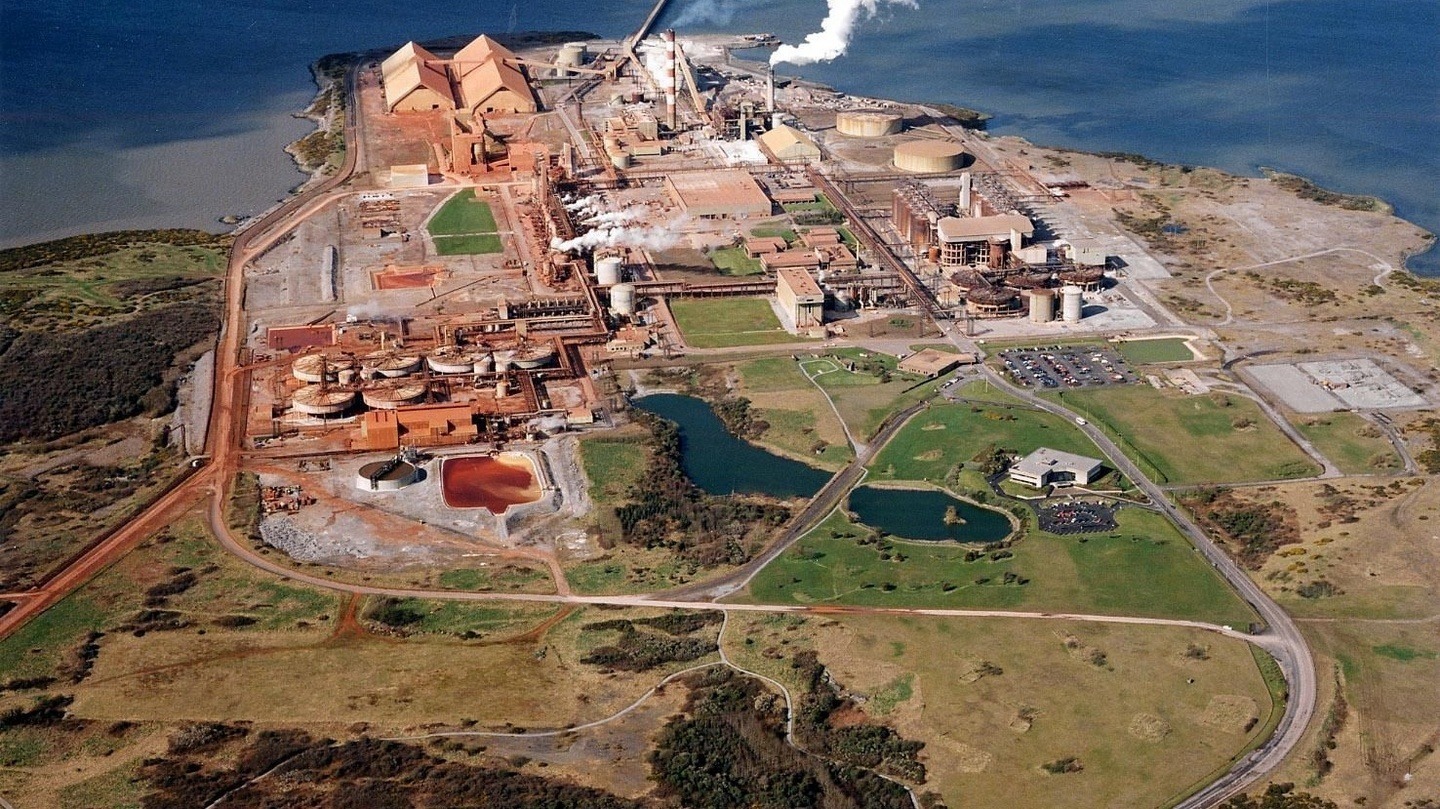
The Aughinish Alumina refinery, located on the Shannon Estuary near Askeaton in Co Limerick, is one of the largest alumina refineries in Europe and a significant employer in the Mid-West region, supporting approximately 1,900 direct and indirect jobs. The plant is owned by Rusal, the Russian aluminium giant controlled by oligarch Oleg Deripaska, and has been a source of controversy since Russia's full-scale invasion of Ukraine in February 2022.
The controversy intensified following a joint investigation by The Irish Times and the Organised Crime and Corruption Reporting Project (OCCRP), which alleged that alumina from the Limerick plant had entered the Russian military supply chain. The investigation prompted calls from opposition politicians and civil society groups for the government to take action, either by imposing sanctions on the plant or by seeking EU-level restrictions on alumina exports to Russia.
The Department of Enterprise conducted an independent review of the plant's operations and export patterns, submitting its findings to the European Commission for consideration. The government has declined to publish the full report, citing commercial sensitivity, but has released a summary of its conclusions.
Key Developments
The summary findings confirm that the investigation found no 'concrete evidence' or 'adverse findings' linking the plant's output to specific weapons manufacturers. However, officials acknowledged that due to the lack of transparent internal trade data within Russia following the 2022 invasion, they could not independently verify the company's claims that its product is used solely for non-military purposes.
Revised figures from the Central Statistics Office indicated that for the first quarter of 2026, approximately 50.25% of the alumina produced at Aughinish was exported to Russia, with 39.22% going to the EU. These figures were corrected following the discovery of a 'clerical error' in earlier data, which had previously suggested a higher percentage of exports were destined for Russia. Despite the revision, Russia remains the largest single destination for the plant's output.
Taoiseach Micheál Martin indicated that the government may explore alternative approaches to ensure alumina does not reach Russia, while emphasising that the decision on whether to impose sanctions rests with the European Commission rather than the Irish government. The matter is now under the purview of the Commission, and any potential sanctions or export restrictions are not expected to be decided until the autumn of 2026 at the earliest.
Why It Matters
The Aughinish Alumina controversy sits at the intersection of Ireland's economic interests, its foreign policy commitments, and its obligations as an EU member state. The plant supports nearly 2,000 jobs in a region that has historically struggled with unemployment, and its closure or significant curtailment would have serious consequences for the Mid-West economy. At the same time, Ireland has been a vocal supporter of Ukraine and has signed the Occupied Territories Bill into law — a measure that signals a willingness to take principled positions on international law even at economic cost. The tension between these two imperatives is not easily resolved, and the government's decision to refer the matter to the European Commission, rather than acting unilaterally, reflects the complexity of the situation. Critics argue that the government is using the EU process as cover for inaction; supporters say it is the appropriate multilateral response.
Local Impact
The Aughinish plant is the largest private sector employer in Co Limerick and a cornerstone of the Mid-West economy. The 1,900 direct and indirect jobs it supports are concentrated in the Askeaton and Foynes areas, communities that have few alternative large employers. The uncertainty surrounding the plant's future has created significant anxiety among workers and their families, with the Limerick and Clare Education and Training Board reporting increased demand for retraining and upskilling programmes from workers in the area. The Shannon Estuary, on which the plant is located, is also the site of a major offshore wind energy development that could provide alternative employment in the coming years, but that project is still in its early stages.
What's Next
The European Commission is expected to consider the Irish government's report as part of its ongoing review of EU sanctions policy on Russia. A decision on whether to extend sanctions to alumina is not expected before the autumn of 2026. The government has indicated that it will publish a summary of the full report in the coming weeks, though the commercially sensitive sections will remain confidential. Opposition politicians have called for a Dáil debate on the matter when the House returns from its summer recess in September.