Ireland Fuel Crisis: Opposition Demands Dáil Recall as Petrol Prices Soar
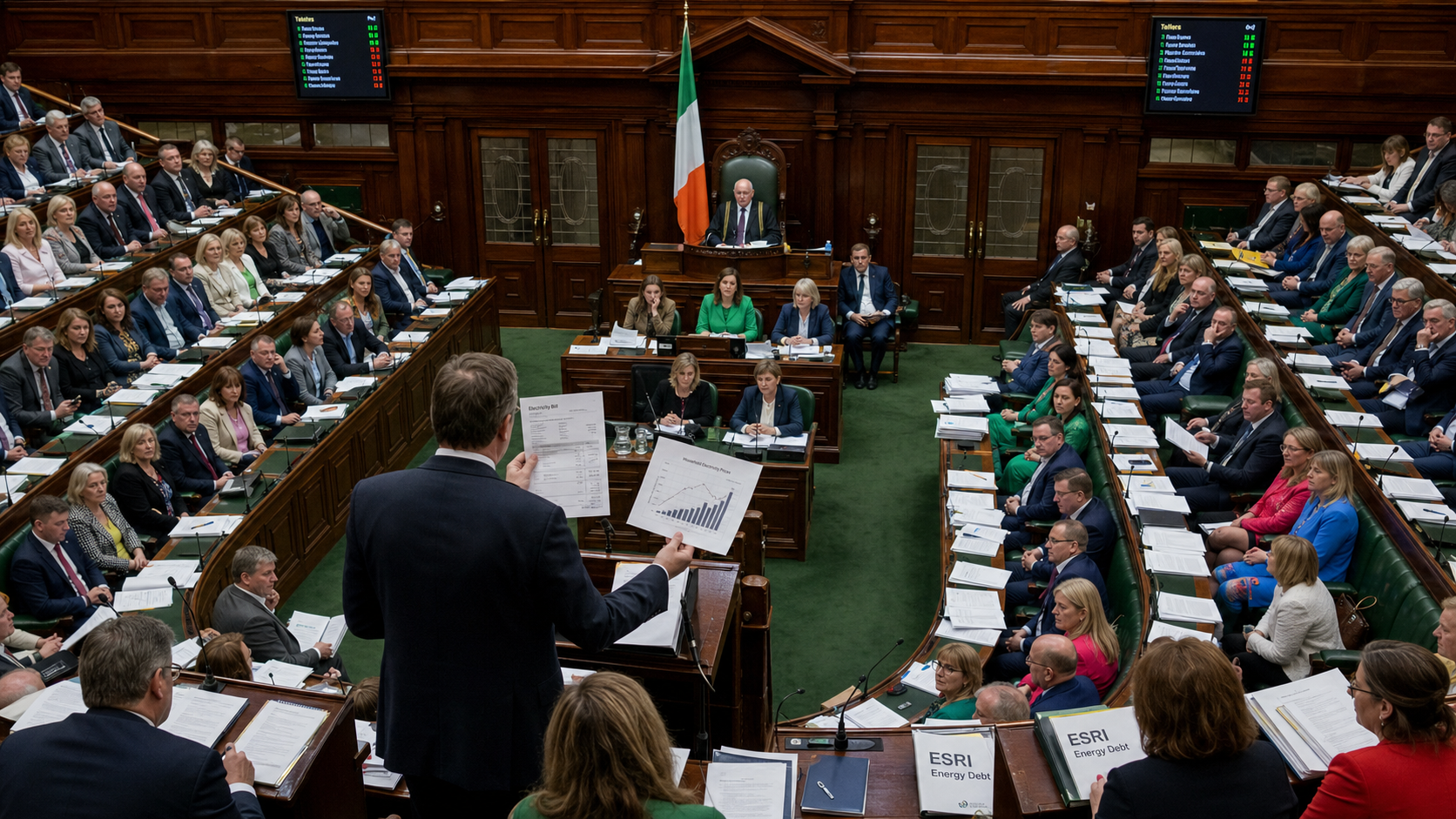
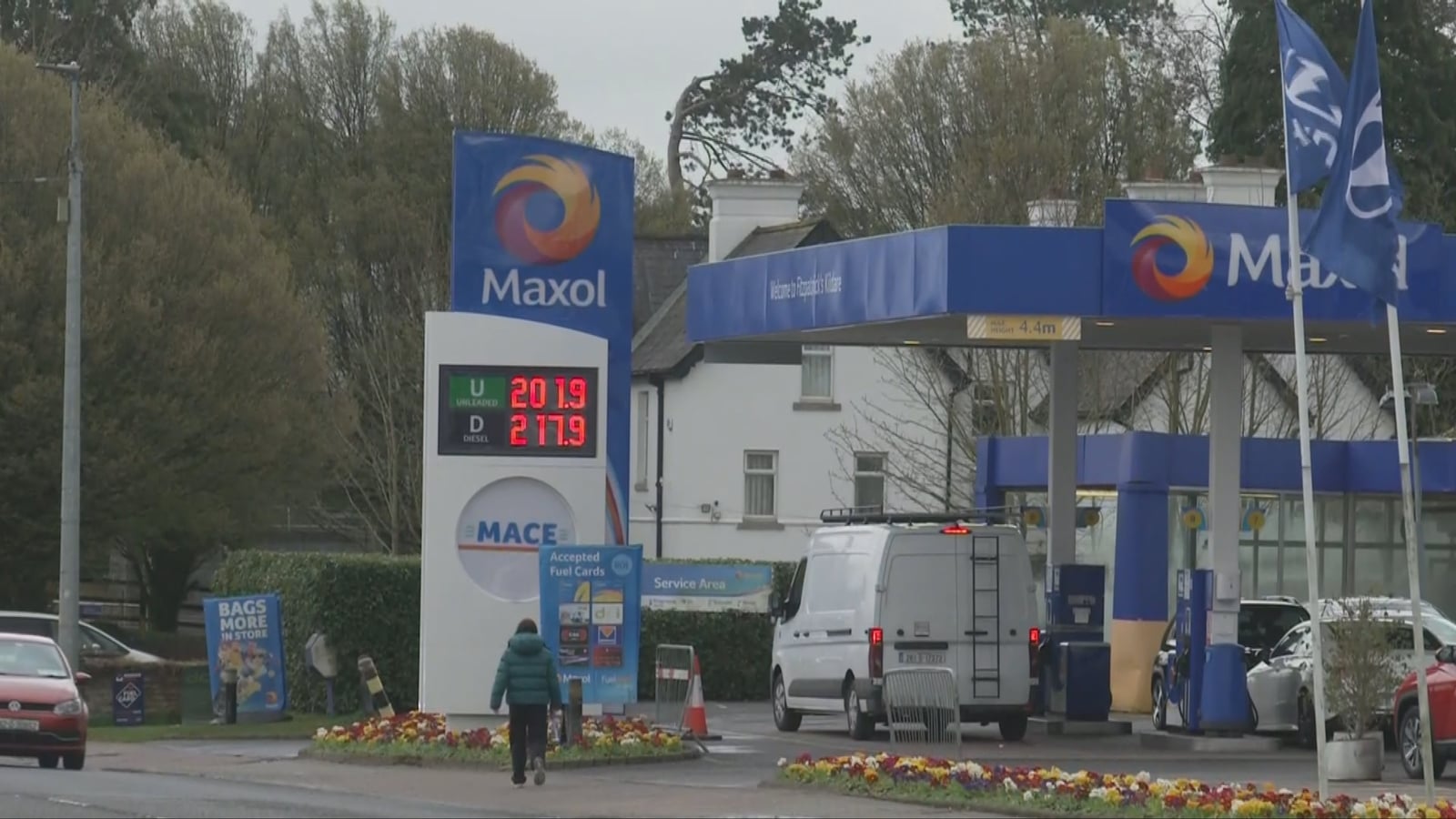
Opposition parties in Ireland have demanded the Dáil be recalled from its Easter recess to address a deepening fuel price crisis, with petrol reaching €2.08 per litre and diesel hitting €2.14 in some areas — the highest prices recorded in the Republic in over a decade. The coalition government has rejected calls for an emergency recall, insisting it would be premature to announce further measures before assessing the full scale of the crisis.
Background
The immediate trigger for Ireland's fuel crisis is the ongoing US-Iran conflict, which has caused severe disruption to global oil markets. The de facto closure of the Strait of Hormuz — through which approximately 20% of the world's oil trade passes — has been described by the International Energy Agency as the "largest supply disruption in the history of the global oil market." Brent crude surged by more than 10% in the weeks following the outbreak of hostilities, with analysts warning of a potential rise to $100 per barrel.
Ireland was particularly exposed to this global shock. The Republic relies almost entirely on imported fuel and has only one oil refinery, at Whitegate in County Cork. Taxes — including excise duty, carbon tax, and VAT — account for approximately 48% of the price of diesel and 57% of petrol, meaning any rise in the underlying commodity price is amplified at the pump. By April, national average diesel prices had risen approximately 28% since the start of the conflict, with some forecourts charging as much as €2.30 per litre.
The crisis has not been confined to the forecourt. Hauliers, farmers, and transport workers have organised widespread protests, including blockades of fuel depots and the Whitegate refinery. Taoiseach Micheál Martin condemned the refinery blockade as an "act of national sabotage," warning it threatened to force oil tankers to divert away from Irish ports entirely.
Key Developments
Opposition parties, led by Sinn Féin, have tabled a motion of no confidence in the government and called for an emergency budget to address the cost-of-living crisis. Party leader Mary Lou McDonald accused the coalition of being "brazen" and "shrugging their shoulders" while households struggled with soaring bills. The Labour Party and Social Democrats have also backed the no-confidence motion, arguing the government's response has been too narrowly focused on sectoral interests.
The government has responded with a €505 million relief package, bringing total commitments to €755 million. Key measures include further excise duty reductions of 10 cents per litre on petrol and diesel, a deferral of the planned carbon tax increase, a €120 million Road Transporters Support Scheme, and a €100 million fuel subsidy for farmers and fishers. The government survived the no-confidence vote by 92 votes to 78, but the political pressure shows no sign of abating.
The Competition and Consumer Protection Commission has received over 900 complaints related to fuel prices in early 2026, reflecting the scale of public distress. For heavy goods vehicle operators, fuel represents 30-40% of operating costs, and the sudden price surge has threatened the viability of many smaller businesses.
Why It Matters
Ireland's fuel crisis is a microcosm of a broader vulnerability that affects every open economy dependent on imported fossil fuels. The speed with which a geopolitical event thousands of miles away translated into empty forecourts and paralysed supply chains exposed the fragility of Ireland's energy infrastructure. The episode has reignited a critical debate about national energy security, the pace of the transition to renewables, and the political sustainability of carbon taxation during periods of acute economic stress.
For ordinary households, the impact is immediate and tangible. The Consumer Price Index rose 3.6% in the year to March 2026, with fuel costs a significant contributor. The crisis has also placed Irish businesses at a competitive disadvantage relative to EU counterparts, particularly in transport and agriculture — sectors that cannot easily absorb sudden cost increases or pass them on to customers.
Local Impact
Northern Ireland, while operating under a different tax regime, has not been immune to the pressures emanating from the Republic. Cross-border fuel trade has been disrupted, and businesses operating on both sides of the border face significant logistical challenges. The crisis has also renewed debate in Stormont about energy policy and the North's own exposure to global commodity price shocks. With the cost of living already a dominant political concern in Belfast and beyond, the fuel crisis adds further urgency to calls for coordinated action across the island on energy security and consumer protection.
What's Next
The government's excise duty reductions are in place until the end of July 2026, after which ministers will face a difficult decision about whether to extend relief measures or allow prices to rise again. The carbon tax increase, deferred from May, is expected to return in the autumn budget — a politically charged moment if global oil prices remain elevated. Opposition parties have signalled they will continue to press for more substantial intervention, and with the Dáil returning from recess, the fuel crisis is set to dominate the political agenda in the weeks ahead.
Further coverage of the crisis is available at The Irish Times and Fortune. Background on the global oil market disruption can be found at the International Energy Agency.