Leaked Children's Health Ireland Report Reveals Private Patients Prioritised Over Public — Including Child Waiting Seven Years
A leaked internal report from Children's Health Ireland has exposed a deeply troubling practice at the heart of the Republic's children's health service: private patients are being systematically prioritised for routine surgical procedures over public patients, with the consequences ranging from extended waiting times to, in at least one documented case, a child waiting seven years for a urology operation. The revelations, raised in the Dáil on June 11, have provoked outrage across the political spectrum and renewed calls for urgent reform of a system that critics say has institutionalised a two-tier approach to children's healthcare.
Background
Children's Health Ireland was established in 2019 as the statutory body responsible for the delivery of paediatric health services across the Republic, incorporating the former children's hospitals at Crumlin, Temple Street, and Tallaght. It is also the body overseeing the construction of the new National Children's Hospital at St James's, a project that has become synonymous with cost overruns and delays. CHI operates within the broader HSE framework and is subject to the same Sláintecare reform agenda that is intended to move the Irish health system towards a single-tier, universal model.
The tension between the Sláintecare vision and the reality of how Irish hospitals operate has been a persistent feature of health policy debate for years. Many consultants in the Irish system hold contracts that allow them to see both public and private patients, creating an inherent incentive to prioritise those who pay privately — either directly or through health insurance — over those who rely on the public system. This incentive structure has been identified as one of the primary drivers of the two-tier system that Sláintecare is designed to dismantle.
The new Public Only Consultant Contract (POCC), introduced as part of the Sláintecare reform process, was intended to address this problem by requiring consultants who sign it to see only public patients. However, the implementation of the POCC has been uneven, and the leaked CHI report suggests that even within a children's hospital system that is supposed to be moving towards a public-only model, the prioritisation of private patients continues.
Key Developments
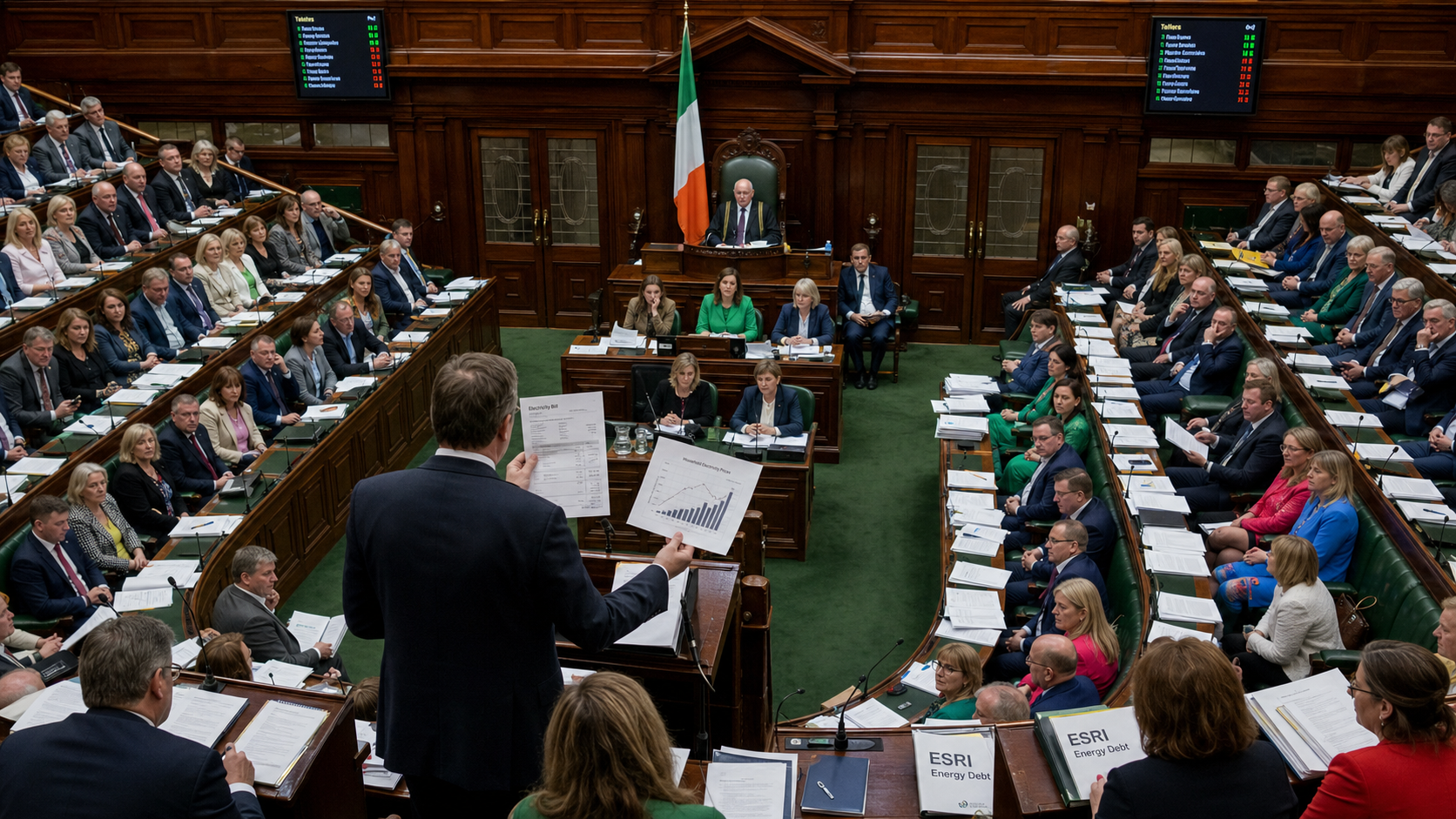
The leaked report was discussed in the Dáil on June 11, with opposition leaders using it to mount a sustained attack on the government's management of the health service. The most striking detail in the report — a child who has been waiting seven years for a urology procedure while private patients receive the same treatment within weeks — was cited repeatedly as evidence of a system that has failed in its most basic obligation to treat children equally regardless of their parents' ability to pay.
The practice described in the report is linked to the financial incentives facing consultants. Private patients generate significantly more income for consultants than public patients, creating a structural pressure to schedule private procedures ahead of public ones. The report suggests this pressure has been operating within CHI in a way that has not been adequately monitored or addressed by management.
The Taoiseach was challenged in the Dáil to take immediate action to end the practice and to hold CHI management accountable. The government's response was to acknowledge the seriousness of the revelations while stopping short of the immediate dismissals called for by some opposition TDs. Health Minister Jennifer Carroll MacNeill indicated she had sought an urgent briefing from CHI management and would be making a statement to the Dáil in the coming days.
Why It Matters
The CHI revelations matter because they strike at the credibility of the Sláintecare reform programme, which has been the centrepiece of Irish health policy for nearly a decade. If a children's hospital system — which should, by its very nature, be insulated from the commercial pressures that drive two-tier practice in adult hospitals — is prioritising private patients over public ones, it raises serious questions about whether the reform agenda is making any real progress.
The seven-year wait for a urology procedure is not an abstraction. It represents seven years of a child's life spent in discomfort or pain, seven years of a family's anxiety and frustration, and seven years of a system failing in its most fundamental obligation. The fact that the same procedure was available to private patients within weeks makes the failure more, not less, egregious.
This is not the first time CHI has faced criticism for its management practices. The organisation has been under scrutiny over the National Children's Hospital project, which has seen its budget balloon from an initial estimate of €650 million to over €2.2 billion. The leaked report adds a new dimension to the accountability questions surrounding CHI, suggesting that the problems are not confined to capital project management but extend to the clinical governance of the services it provides.
Local Impact
The impact of the CHI revelations is felt most directly by the families of children on public waiting lists across the Republic. In Dublin, where CHI's main hospitals are located — Crumlin, Temple Street, and Tallaght — the waiting lists for paediatric procedures are among the longest in the country. Families in Cork, Galway, Limerick, and other cities who travel to Dublin for specialist paediatric care are also affected, often bearing significant additional costs in travel and accommodation on top of the stress of having a child who needs medical treatment.
The HSE's regional health areas — which are intended to provide a more locally responsive structure for health service delivery — have been watching the CHI situation closely. The revelations will add pressure on regional health officers to ensure that similar practices are not occurring in adult hospitals within their areas, and to accelerate the implementation of the POCC in institutions where it has not yet been fully adopted.
What's Next
Health Minister Carroll MacNeill has indicated she will make a statement to the Dáil within the next week outlining the government's response to the leaked report. CHI management has been summoned to appear before the Oireachtas Health Committee, where they will face detailed questioning about the practices described in the report. The HSE has also indicated it will conduct its own review of waiting list management practices across CHI's hospitals. Opposition parties have indicated they will table a motion of no confidence in CHI management if the government does not take more decisive action.