Ireland Cements Position as Europe's Premier AI Hub as Investment Wave Continues
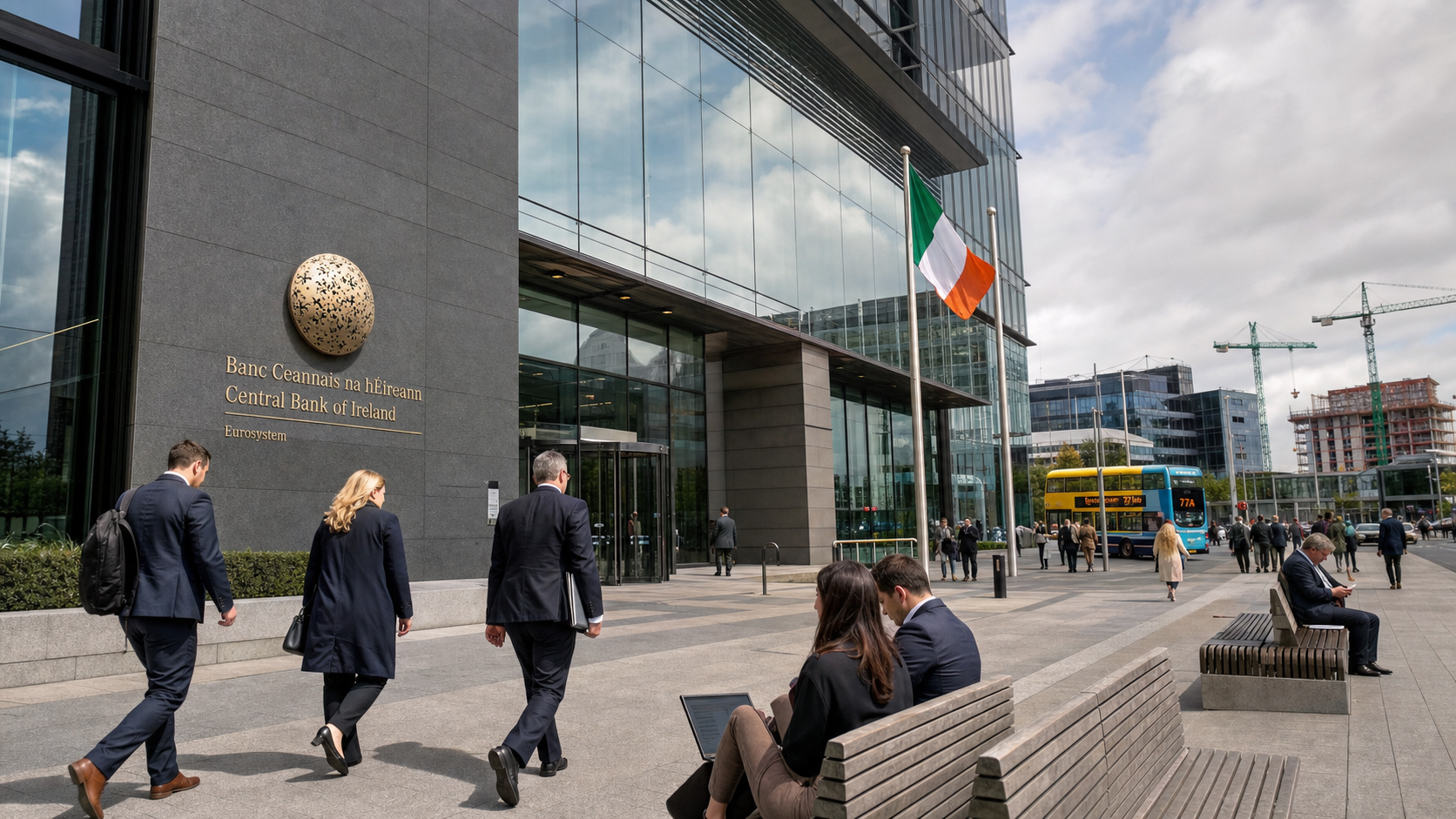
Ireland is cementing its position as Europe's leading artificial intelligence hub, with a wave of major investment announcements underscoring the country's growing dominance in the global technology landscape — from Version 1 opening a new Dublin headquarters with a dedicated AI Studio and 250 new jobs, to Vodafone Ireland committing €360 million in network and digital investment over four years.
TechIreland has also launched a National AI Challenge backed by Google and OpenAI to foster ethical AI innovation, adding to a picture of an island economy that has become the destination of choice for the world's most ambitious technology companies.
Background
Ireland's emergence as a European AI hub is the product of decades of deliberate policy choices, a strong pool of engineering talent, the benefits of EU data residency, and a robust university research ecosystem. Major technology companies including Microsoft, Meta, Google, and OpenAI have substantial AI operations in the country, drawn by a combination of favourable tax arrangements, English-language capability, and access to the European single market. The result is an economy that punches well above its weight in the global technology sector, generating billions in exports and tens of thousands of high-skilled jobs.
However, Ireland's reliance on multinational technology corporations has also attracted scrutiny. Economists and policymakers have raised concerns about the concentration of economic activity in a small number of large companies, and the potential for job market disruption as AI technologies evolve and automate functions previously performed by human workers. The challenge for Ireland is to ensure that the benefits of its AI hub status are broadly shared and that the domestic economy develops the resilience to withstand shifts in multinational investment patterns.
Key Developments
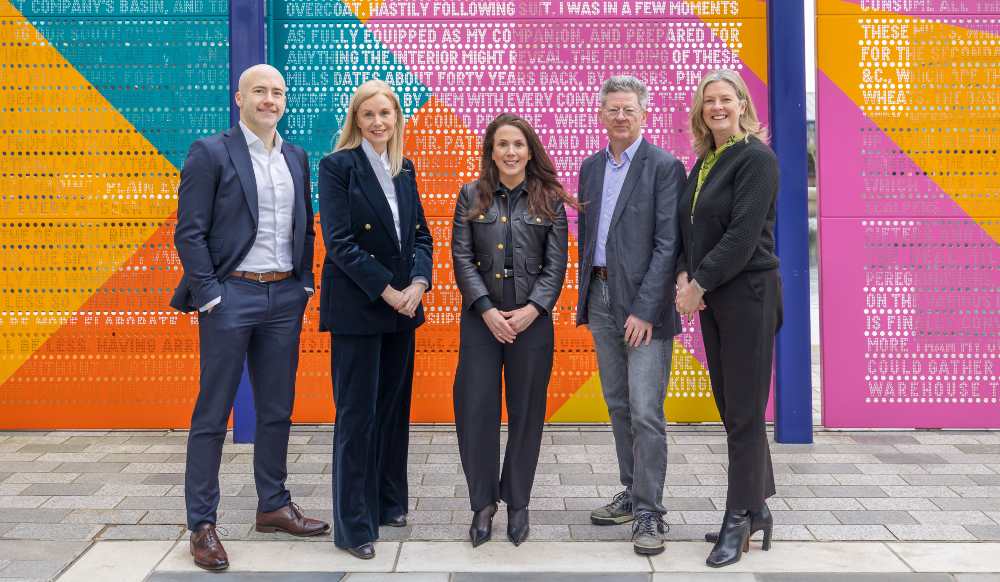
Irish-founded tech company Version 1 opened its new headquarters and a state-of-the-art AI Studio at Four Park Place in Dublin on 25 March 2026, creating 250 new jobs. The AI Studio is designed as a collaborative space for developing technology solutions with customers and will also be used for educational outreach with schools and universities to promote the responsible development of AI — a signal that Ireland's tech sector is increasingly focused on building domestic capability alongside attracting foreign investment.
Vodafone Ireland announced a €360 million investment in April 2026 to enhance its network and digital capabilities, divided between €200 million for its mobile network to support emerging technologies including AI and the Internet of Things, and €160 million for its digital and IT systems to improve customer platforms. The investment, announced as Vodafone Ireland marked its 25th anniversary, underscores the company's long-term commitment to Ireland's digital infrastructure.
TechIreland's National AI Challenge, backed by Google and OpenAI, brings together developers, entrepreneurs, and AI enthusiasts to create AI-powered solutions for real-world problems, with a strong emphasis on ethical development. The initiative reflects a growing recognition within Ireland's tech community that the long-term sustainability of the country's AI hub status depends on building a culture of responsible innovation.
Why It Matters
Ireland's position as Europe's premier AI hub has significant implications for the entire island economy. The concentration of AI investment and talent in Dublin creates a gravitational pull that benefits the broader Irish technology ecosystem, generating demand for services, infrastructure, and skills that ripple outward from the capital. For a small open economy heavily dependent on foreign direct investment, the continued confidence of major technology companies in Ireland as a location for their most strategically important operations is of fundamental importance to long-term prosperity.
The ethical dimension of AI development is also increasingly central to Ireland's pitch to investors. As the EU's AI Act comes into force and regulatory scrutiny of technology companies intensifies, Ireland's reputation as a jurisdiction that takes responsible innovation seriously is becoming a competitive advantage rather than merely a moral aspiration.
Local Impact
Northern Ireland is also making a name for itself in the AI sector, with a strong focus on responsible AI implementation and economic growth. The Artificial Intelligence Collaboration Centre (AICC) is working to accelerate AI adoption across Northern Ireland's business community, while Belfast's growing technology cluster — anchored by companies including Allstate, Citi, and a range of indigenous tech firms — positions the city as a complementary node in the island's broader AI ecosystem. However, Northern Ireland faces challenges related to data readiness, skills gaps, and infrastructure demands that need to be addressed if it is to fully capitalise on the opportunities created by the AI investment wave in the Republic. Closer collaboration between the two jurisdictions on skills development and research infrastructure could help ensure that the benefits of Ireland's AI hub status are felt on both sides of the border.
What's Next
The pipeline of AI investment into Ireland shows no signs of slowing, with further announcements expected from major technology companies in the coming months. The TechIreland National AI Challenge will showcase its results at a showcase event in Galway, while Version 1's AI Studio is expected to begin producing collaborative projects with Irish businesses and educational institutions. The Irish Times on Version 1's new headquarters and jobs and Vodafone's announcement of its €360 million investment provide the full details of these landmark commitments.