Iran Conflict Drives UK Inflation to 3.3% as Oil Prices Surge Above $96 Per Barrel
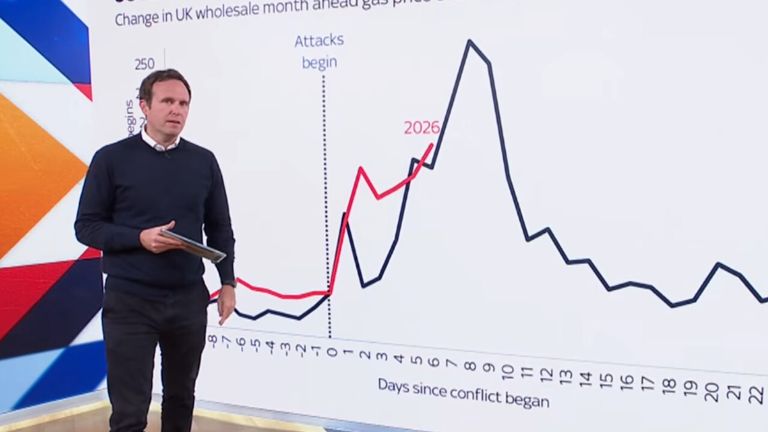
The ongoing conflict in Iran is having a direct and damaging impact on the UK economy, with oil prices surging above $96–$98 per barrel, driving UK inflation to 3.3% in March 2026 and prompting warnings that the country's fiscal buffer could be reduced by up to £16 billion — increasing the likelihood of future tax rises.
Background
The Iran conflict, which has drawn in US forces and disrupted Middle East supply chains, has sent shockwaves through global energy markets. The UK, as a major importer of oil and gas, has been particularly exposed to the resulting price surge. Fuel prices have risen 8.7% year-on-year, making them the primary driver of the March 2026 inflation figure.
Key Developments
UK public sector borrowing reached £12.6 billion in March, with higher energy prices contributing to increased borrowing costs for the government. The Iran conflict is projected to reduce the UK's fiscal buffer by up to £16 billion, according to economic forecasters, increasing the likelihood of future tax rises or spending cuts. EY Item Club has indicated that the UK is nearing a technical recession, with growth slowing significantly.
Supply chain disruptions are significant, with 9% of businesses experiencing them in March 2026 — the highest since December 2022 — and 46% of those attributing the disruption to the Middle East conflict. Industrial metals prices have surged, with aluminium rising sharply due to supply disruptions, adding cost pressure to manufacturing and construction. The Food and Drink Federation warns that food inflation could rise to 9–10% this year.
Consumer confidence has dropped sharply, with the GfK Consumer Confidence Barometer falling to -25 in April — the biggest drop in a year. The share of UK consumers expecting price increases in the year ahead rose to 85%, the highest since November 2022. Up to 150,000 job losses in the UK are projected due to higher energy costs and reduced economic activity.
Why It Matters
The Iran conflict's economic impact is being felt across every sector of the UK economy, from petrol forecourts to supermarket shelves. The government is taking steps to reduce electricity costs by delinking power prices from gas and providing new subsidies for renewable energy, but business groups warn that current support schemes will reach only a small proportion of firms. The Bank of England faces a difficult balancing act between controlling inflation and supporting growth.
What's Next
The Bank of England is expected to review interest rate policy in the coming weeks. The government is under pressure to announce additional support measures for businesses and households ahead of the May local elections. Diplomatic efforts to resolve the Iran conflict are ongoing, with the US having cancelled a planned envoys' trip to Pakistan for breakthrough talks following Saturday's shooting at the White House Correspondents' Dinner.