Iran Closes Strait of Hormuz, Threatening Global Oil Supply Amid Rising Tensions
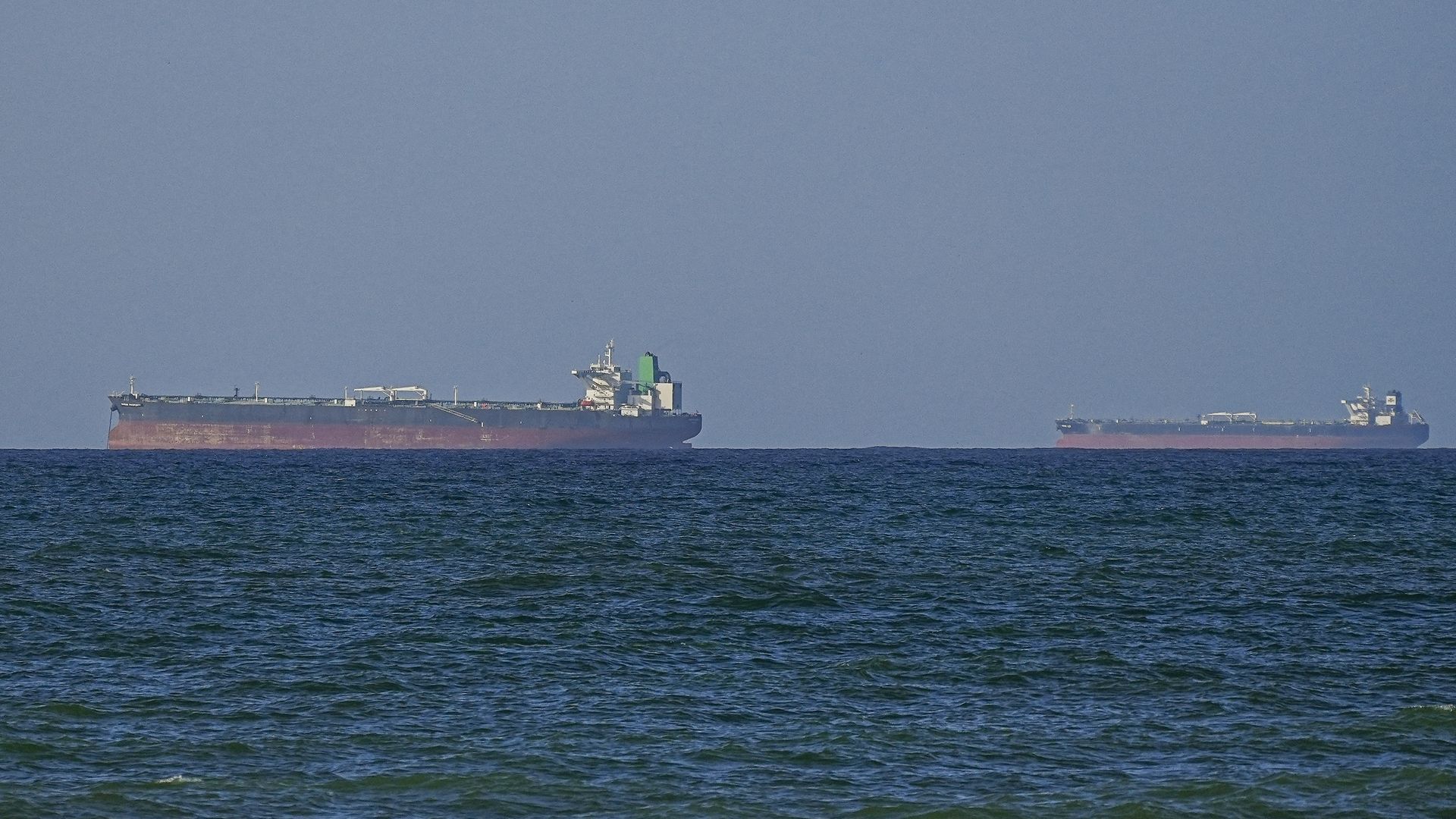
Iran's military has announced the closure of the Strait of Hormuz, a critical artery through which approximately 20 per cent of the world's oil supply passes, in a dramatic escalation of tensions with the United States. The provocative move comes as a fragile ceasefire between the two nations nears its expiration, sending shockwaves through global energy markets and threatening to deepen Europe's already severe energy crisis.
Background
The Strait of Hormuz, a narrow waterway between Iran and Oman at the mouth of the Persian Gulf, is one of the world's most strategically vital maritime chokepoints. Approximately 20 per cent of global oil trade and 17 per cent of liquefied natural gas (LNG) passes through the strait, making it an indispensable artery for the global economy. Iran has long recognised the strait's strategic value and has repeatedly threatened to close it during periods of heightened tension with the United States and its Gulf Arab allies.
The current crisis has its roots in a complex web of geopolitical tensions involving the United States, Iran, Israel, and various regional actors. A fragile ceasefire between the US and Iran, brokered after months of diplomatic effort, has been under severe strain, with both sides accusing the other of violations. Former US President Donald Trump's inflammatory rhetoric towards Tehran has further undermined the diplomatic track, with fresh threats against Iran complicating efforts by negotiators to find a path to de-escalation. The situation is further complicated by broader Middle East dynamics, including the ongoing conflict between Israel and its neighbours.
Europe's energy vulnerability has been starkly exposed by the crisis. The continent, which has been working to reduce its dependence on Russian energy since the invasion of Ukraine, has found itself increasingly reliant on Middle Eastern oil and gas supplies. One European energy chief recently warned that the continent may have as little as six weeks of jet fuel reserves — a situation now critically exacerbated by Iran's actions in the strait.
Key Developments
Iran's announcement of the Strait of Hormuz closure coincided with preparations by the White House to send negotiators to Pakistan for a new round of peace talks — a juxtaposition that underscores the volatile and unpredictable nature of the current crisis. Global oil prices surged immediately following the announcement, with Brent crude jumping sharply as traders priced in the risk of a prolonged disruption to supply. The closure has also sent shockwaves through aviation and shipping markets, with airlines and freight operators scrambling to assess the impact on their operations and fuel costs.
The United States has deployed additional naval assets to the region in response to the closure, and the US Fifth Fleet, which is based in Bahrain, has been placed on heightened alert. Washington has made clear that it regards freedom of navigation through the Strait of Hormuz as a vital national interest and has warned Iran of severe consequences if the closure is not lifted. Gulf Arab states, which depend on the strait for their oil exports, have also condemned the move in the strongest possible terms.
The closure has reignited debate about the global economy's continued dependence on fossil fuels and the geopolitical vulnerabilities that this dependence creates. Energy analysts have warned that even a brief disruption to Hormuz traffic could have cascading effects on global supply chains, pushing up the cost of goods and services far beyond the energy sector.
Why It Matters
The closure of the Strait of Hormuz is the most alarming development in a rapidly deteriorating security situation across the Middle East. For the global economy, the stakes could hardly be higher. A prolonged disruption to oil and gas flows through the strait would push energy prices to levels not seen since the 1970s oil shocks, with devastating consequences for households and businesses already struggling with the cost of living crisis. The risk of miscalculation and open conflict between the United States and Iran — two nuclear-capable powers — is dangerously elevated. The international community is watching with bated breath, hoping that diplomacy can prevail before the situation spirals beyond control. The fate of the global economy and the stability of an already volatile region now depend on the outcome of the delicate negotiations set to take place in Pakistan.
Local Impact
For households and businesses in Northern Ireland and across the United Kingdom, the closure of the Strait of Hormuz is not a distant geopolitical abstraction — it is a direct threat to living standards and economic stability. Northern Ireland, which is already grappling with a severe cost of living crisis driven by high energy prices, faces the prospect of further sharp increases in heating oil and electricity costs if the disruption to global oil supply is prolonged. The region's heavy dependence on heating oil — far greater than in other parts of the UK — makes it particularly vulnerable to price shocks of this kind. Stormont ministers have been urged to engage urgently with Westminster to ensure that Northern Ireland households receive adequate support if energy prices spike further in the coming weeks.
What's Next
The international community is now focused on the diplomatic talks in Pakistan as the best hope for a de-escalation of the crisis. The United States, European Union, and regional powers are all engaged in intensive diplomatic efforts to persuade Iran to reopen the strait and return to the negotiating table. The outcome of these talks will be closely watched by energy markets, governments, and households around the world. If diplomacy fails, the consequences for the global economy and regional security could be severe and long-lasting. For more information, visit NPR World News and BBC Middle East.