International Protection Act 2026 Takes Effect, Overhauling Ireland's Asylum System
The International Protection Act 2026 has come into force, fundamentally restructuring Ireland's asylum process to align with the EU Migration and Asylum Pact — introducing faster processing timelines and accelerated procedures while also imposing a controversial two-year waiting period before those granted protection can apply to bring their families to join them.
Background
Ireland's asylum system has been under sustained pressure for several years, with application numbers rising sharply and processing times extending to the point where some applicants have been waiting years for a decision on their case. The International Protection Office, which processes applications, has faced significant staffing and resource challenges, and the accommodation system for those awaiting decisions has been stretched to breaking point, with the state relying heavily on emergency accommodation in hotels, hostels, and other temporary facilities.
The EU Migration and Asylum Pact, agreed at European level in 2024, set out a new framework for managing asylum and migration across member states, with the aim of creating a more consistent and efficient system. Ireland, which had previously opted out of some EU asylum measures, committed to aligning with the Pact's requirements, and the International Protection Act 2026 is the primary legislative vehicle for doing so.
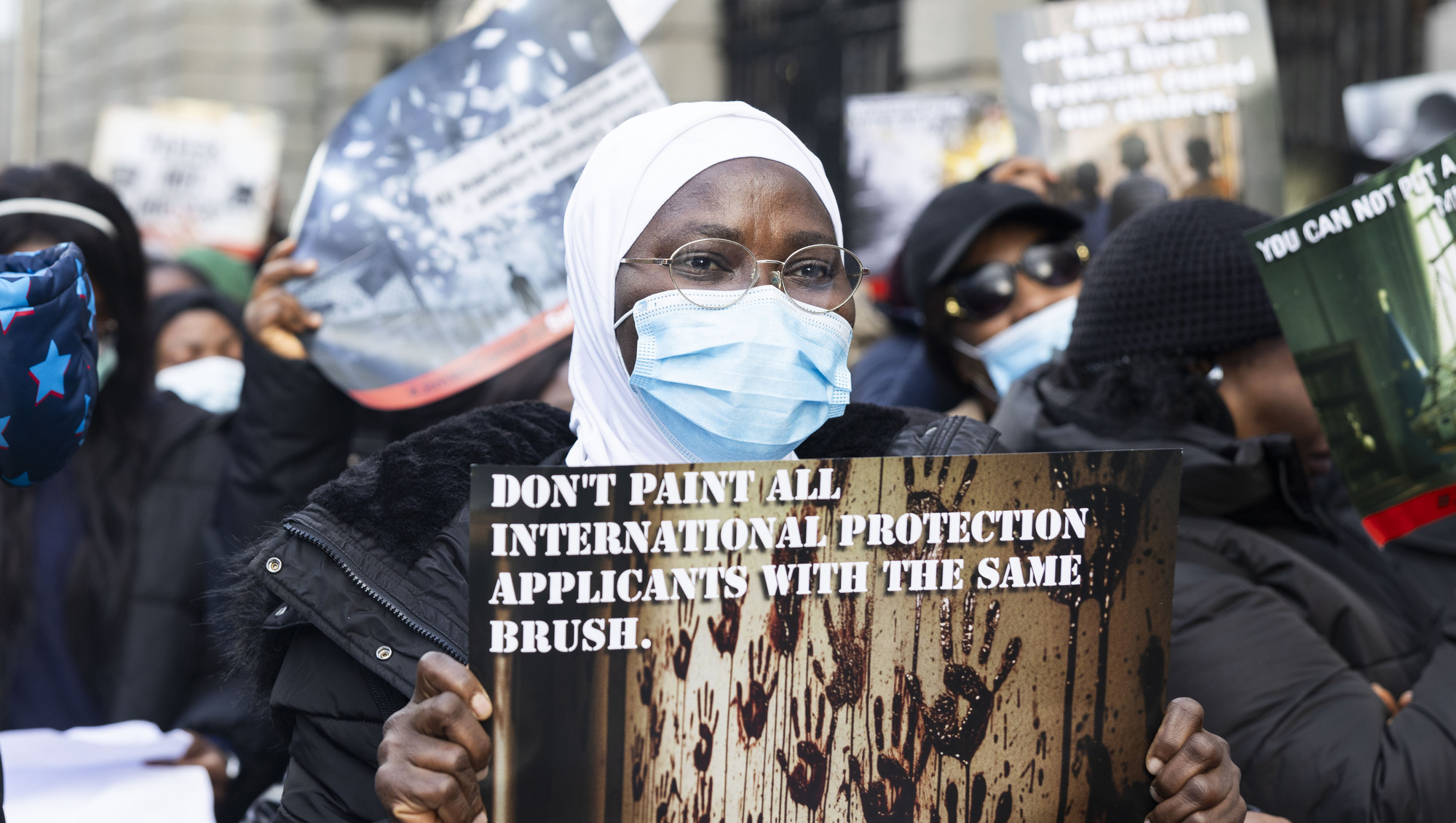
The Act has been the subject of significant debate in the Oireachtas and in civil society, with refugee and human rights organisations raising concerns about specific provisions — particularly the two-year waiting period for family reunification, which they argue is disproportionate and will cause unnecessary suffering to those who have been granted protection and are separated from their families.
Key Developments
The Act came into effect on 18 June 2026, introducing several significant changes to the asylum process. The standard processing time for applications is to be reduced to six months, a target that will require a substantial increase in the capacity of the International Protection Office. Accelerated procedures are introduced for applications from nationals of countries deemed safe, and for cases where the application is considered manifestly unfounded.
The two-year waiting period for family reunification — one of the most contested provisions — applies to those granted subsidiary protection or refugee status under the new Act. Previously, those granted protection could apply for family reunification immediately. The change brings Ireland into line with some other EU member states but has been criticised by the Irish Refugee Council and other advocacy groups as a measure that will cause significant hardship.
The Act also addresses the issue of the land border with Northern Ireland, which has become the primary route of entry for asylum seekers in the Republic. Data cited during the Oireachtas debates showed that approximately 90% of those seeking international protection in the Republic are now entering via the land border, a figure that has prompted significant political debate about border management and the Common Travel Area.
Why It Matters
The International Protection Act 2026 represents the most significant overhaul of Ireland's asylum system in a generation. Its implementation will test the capacity of the state to deliver on the faster processing timelines it has committed to, and will determine whether the new procedures are genuinely more efficient or simply more restrictive.
The family reunification provision is likely to be the most contentious aspect of the Act in practice. For those granted protection who have family members in conflict zones or in countries where they face persecution, a two-year wait before they can apply to bring those family members to safety is a significant burden. Advocacy groups have indicated they will challenge the provision through the courts if it is applied in ways they consider disproportionate.
The Act also has implications for the relationship between the Republic and Northern Ireland on migration issues. The land border is not a migration border in the traditional sense — it is an open border under the Common Travel Area — and managing migration flows across it requires a level of cooperation between the two jurisdictions that has not always been straightforward.
Local Impact
In practical terms, the Act's impact will be felt most immediately by those currently in the asylum system — the tens of thousands of people awaiting decisions on their applications, living in emergency accommodation across the country. For those in Dublin, Cork, Galway, and Limerick, where the largest concentrations of asylum seekers are housed, the new processing timelines offer the prospect of faster resolution of their cases. For those in more remote locations, including the many who are housed in rural counties far from legal advice and support services, the new procedures may be harder to navigate.
For local authorities across the Republic, the Act's implementation will require continued engagement with the Department of Integration on accommodation planning and community support services. The pressure on accommodation has been a source of significant tension in some communities, and faster processing — if it is achieved — will help to reduce the numbers in the system at any given time.
What's Next
The International Protection Office is expected to publish an implementation plan for the new Act within the next month, setting out how it intends to achieve the six-month processing target and what additional resources will be required. The Irish Refugee Council has indicated it will monitor the implementation closely and will publish regular assessments of whether the new system is operating fairly and efficiently. A review of the Act's operation is built into the legislation itself, with a formal assessment required within two years of commencement.