Dáil Passes Bill to Remove Three-Day Abortion Waiting Period in Landmark Vote
The Dáil has passed a Sinn Féin-proposed bill to remove the mandatory three-day waiting period for access to abortion services, advancing a key recommendation from the 2023 independent review of the Health (Regulation of Termination of Pregnancy) Act 2018 and marking a significant step in the ongoing evolution of Ireland's abortion legislation.
Background
The three-day waiting period was one of the most contested provisions of the 2018 legislation that legalised abortion in Ireland following the repeal of the Eighth Amendment. Under the current law, a woman seeking a termination in the first twelve weeks of pregnancy must attend an initial consultation with a doctor, wait three days, and then attend a second consultation before the procedure can take place. The provision was included as a compromise measure during the drafting of the legislation, intended to address concerns about ensuring informed consent.
Healthcare providers and advocacy groups have argued from the outset that the waiting period creates unnecessary barriers, particularly for women in rural areas who may have to travel significant distances to access services, and for those in difficult personal circumstances where a three-day delay can have significant practical consequences. The independent review of the legislation, conducted in 2023, examined the operation of the Act in practice and concluded that the waiting period should be removed, finding that it did not serve a meaningful clinical purpose and that informed consent could be adequately ensured through a single consultation.
The government had committed to implementing the review's recommendations but had not moved quickly enough for Sinn Féin, which brought its own private member's bill to address the waiting period specifically. The bill has been progressing through the Oireachtas for several months, and its passage through the Dáil on 19 June represents a significant milestone.
Key Developments
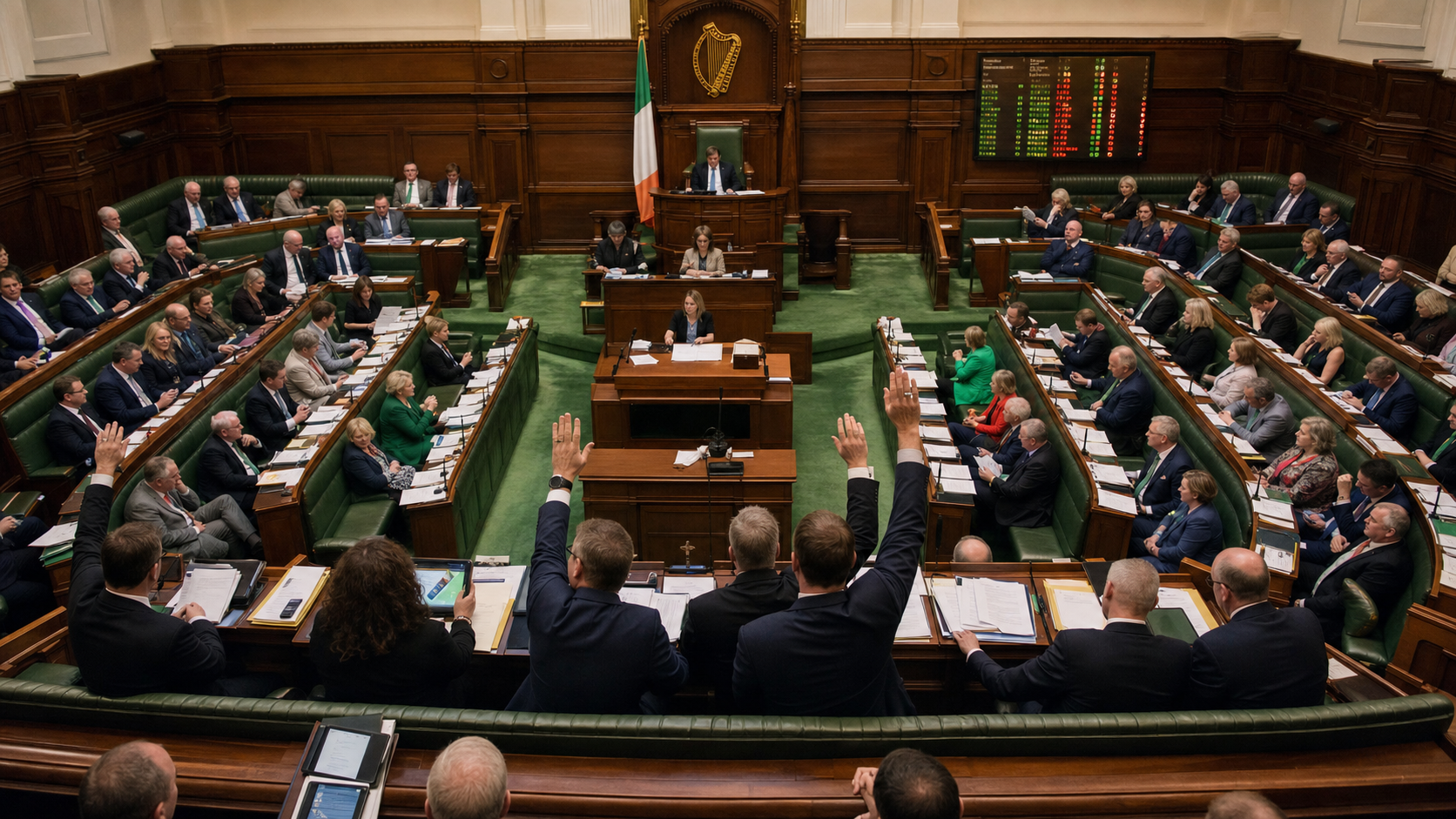
The bill passed its final stage in the Dáil on 19 June, with the government declining to oppose it — a position that effectively allowed it to pass without a formal government endorsement. The decision not to oppose the bill reflects the political reality that the waiting period has few defenders in the current Dáil, and that blocking a measure recommended by an independent review would have been difficult to justify.
Sinn Féin's health spokesperson welcomed the passage of the bill, describing it as a significant step towards ensuring that women in Ireland can access abortion services without unnecessary bureaucratic obstacles. The party has been consistent in its advocacy for the removal of the waiting period since the 2018 legislation was enacted.
The bill will now proceed to the Seanad, where it is expected to face a more detailed examination of its provisions. The government has indicated that it will engage constructively with the Seanad process, and that it expects the bill to be enacted before the end of the year.
Why It Matters
The removal of the three-day waiting period matters most directly for the women who currently experience it as a barrier to accessing services they are legally entitled to. For women in Dublin or Cork, the practical impact of the waiting period may be manageable — an inconvenience rather than a genuine obstacle. But for women in rural counties, particularly those in the west and north-west where access to abortion services is more limited, the requirement to make two separate journeys to a provider can be a significant burden.
The passage of the bill also reflects the broader trajectory of Irish abortion law since 2018. The legislation has been subject to ongoing review and refinement, with each successive change moving in the direction of greater access and fewer restrictions. The removal of the waiting period is consistent with that trajectory and with the recommendations of the independent review.
For the medical profession, the change will simplify the clinical pathway for abortion services and remove a provision that many GPs and obstetricians have described as clinically unnecessary. The Irish College of General Practitioners has been among the voices calling for the waiting period's removal.
Local Impact
The practical impact of the bill's enactment will be felt most significantly in areas where access to abortion services is already limited. In counties like Donegal, Roscommon, and Leitrim, where the number of providers is small and distances are large, the removal of the requirement for a second consultation will reduce the burden on women seeking terminations. In Dublin, Cork, Galway, and Limerick, where services are more readily available, the change will be less transformative but will still simplify the process for those who use it.
For the HSE, which oversees the provision of abortion services, the change will require some adjustment to the clinical protocols and information systems used to manage the service. The executive has indicated that it is prepared to implement the change promptly once the legislation is enacted.
What's Next
The bill will be debated in the Seanad in the coming weeks, with a final vote expected before the Oireachtas summer recess in late July. If enacted on that timeline, the removal of the waiting period could take effect as early as September 2026. The government has indicated that it will also proceed with implementing the other recommendations of the 2023 independent review, including changes to the provisions relating to fatal foetal abnormality and to the gestational limits for certain categories of termination.