Intel Commits €5 Billion to Leixlip Campus Expansion in Landmark Vote of Confidence in Irish Workforce and Economy
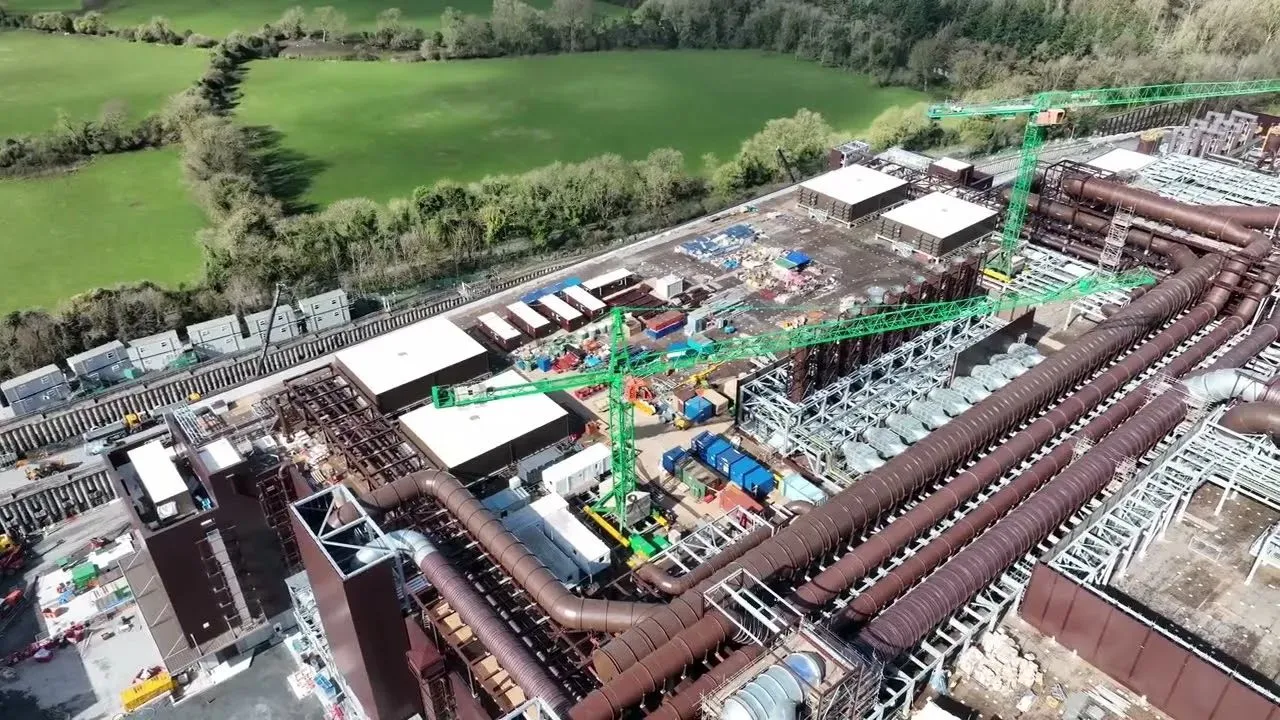
Intel has formally announced a €5 billion capital investment to expand its manufacturing capacity for artificial intelligence and high-performance computing at its Leixlip, Co. Kildare campus, in what Taoiseach Micheál Martin has described as "a powerful vote of confidence in the quality of the Irish workforce and in Ireland as a country to do business in." The investment, which will create hundreds of new high-tech jobs and thousands of construction roles, will upgrade existing facilities to produce next-generation Xeon processors critical for the AI market, with project completion expected by the end of 2027.
Background
Intel's presence in Ireland dates back to 1989, when the company established its first European manufacturing facility at Leixlip in Co. Kildare. In the decades since, the Leixlip campus has grown into one of Intel's most significant manufacturing sites globally, employing approximately 5,000 people directly and supporting tens of thousands of additional jobs in the wider supply chain and services sector. The campus is currently Intel's only site producing its most advanced Intel 3 wafers — the cutting-edge semiconductor technology that underpins the company's next generation of processors.
The semiconductor industry is at the centre of one of the most significant geopolitical and economic competitions of the twenty-first century. The United States, the European Union, and China are all investing heavily in domestic semiconductor manufacturing capacity, driven by the recognition that chips are the foundational technology of the modern economy — essential for everything from smartphones and laptops to electric vehicles, medical devices, and military systems. The EU's Chips Act, adopted in 2023, committed €43 billion to boosting European semiconductor production, and Ireland — with its established manufacturing base, skilled workforce, and favourable business environment — is well positioned to benefit from that investment.
Intel's decision to invest €5 billion in Leixlip is the largest single foreign direct investment announcement in Ireland's history and reflects the company's confidence in the site's capabilities and in Ireland's ability to deliver the skilled workforce, infrastructure, and regulatory environment that advanced semiconductor manufacturing requires. It also reflects the strategic importance of the AI market, which is driving unprecedented demand for high-performance computing chips of the kind produced at Leixlip.
Key Developments
The investment, formally announced on 13 July, will fund the expansion and upgrading of existing manufacturing facilities at the Leixlip campus to produce next-generation Xeon processors. These processors are designed specifically for AI workloads — the data centre applications, machine learning training, and inference tasks that are driving the explosive growth in demand for high-performance computing. The Leixlip campus's existing Intel 3 wafer production capability makes it the natural location for this expansion, as the new processors will be built on the same advanced manufacturing process.
The investment will create hundreds of new high-tech jobs at the Leixlip campus, adding to the existing workforce of approximately 5,000. It will also generate thousands of construction jobs during the build-out phase, which is expected to run through 2027. IDA Ireland, the state agency responsible for attracting foreign direct investment, has confirmed that it worked closely with Intel over an extended period to secure the investment and that the decision reflects Ireland's continued attractiveness as a location for high-value manufacturing.
Taoiseach Micheál Martin welcomed the announcement at a ceremony at the Leixlip campus, stating: "It's a powerful vote of confidence in the quality of the Irish workforce and in Ireland as a country to do business in." The Taoiseach also highlighted the investment's significance for Ireland's position in the European semiconductor supply chain, noting that the Leixlip campus plays a critical role in ensuring that Europe has access to the most advanced chip manufacturing technology.
Why It Matters
The Intel investment matters for Ireland's economy at a moment of some uncertainty. The tech sector, which has been a major driver of Irish economic growth for three decades, has been going through a period of adjustment, with several major multinationals announcing redundancies as they restructure for the AI era. Against that backdrop, a €5 billion commitment from one of the world's largest technology companies is a significant vote of confidence in Ireland's long-term attractiveness as a location for high-value investment.
The investment also matters for Ireland's strategic position in the global semiconductor industry. As the EU seeks to reduce its dependence on Asian chip manufacturers and to build a more resilient European supply chain, Ireland's established manufacturing base and skilled workforce give it a competitive advantage that the Intel investment will reinforce. The Leixlip campus's role as Intel's only Intel 3 wafer production site outside the United States makes it a strategically critical facility, and the €5 billion expansion will deepen that strategic importance.
Local Impact
The impact of the investment will be felt most directly in Co. Kildare and the wider greater Dublin area. The construction phase will generate significant economic activity in the local economy, with contracts for Irish construction firms, engineering companies, and specialist suppliers. The new high-tech jobs created by the expansion will add to the already significant concentration of technology employment in the Kildare-Dublin corridor, supporting the local housing market, retail sector, and services economy. Kildare County Council has welcomed the investment and has indicated that it will work with Intel and the relevant state agencies to ensure that the necessary infrastructure — transport, utilities, housing — is in place to support the expanded campus.
What's Next
Construction work on the Leixlip campus expansion is expected to begin in the coming months, with the project scheduled for completion by the end of 2027. Intel will work with IDA Ireland and the relevant government departments to manage the planning and regulatory processes associated with the expansion. The company has indicated that it will engage with Irish universities and further education institutions to develop the pipeline of skilled graduates needed to staff the expanded facility, building on existing partnerships with Trinity College Dublin, University College Dublin, and the Technological University of the Shannon.