Hurricanes Host Flyers in Historic First Playoff Meeting as NHL Second Round Opens
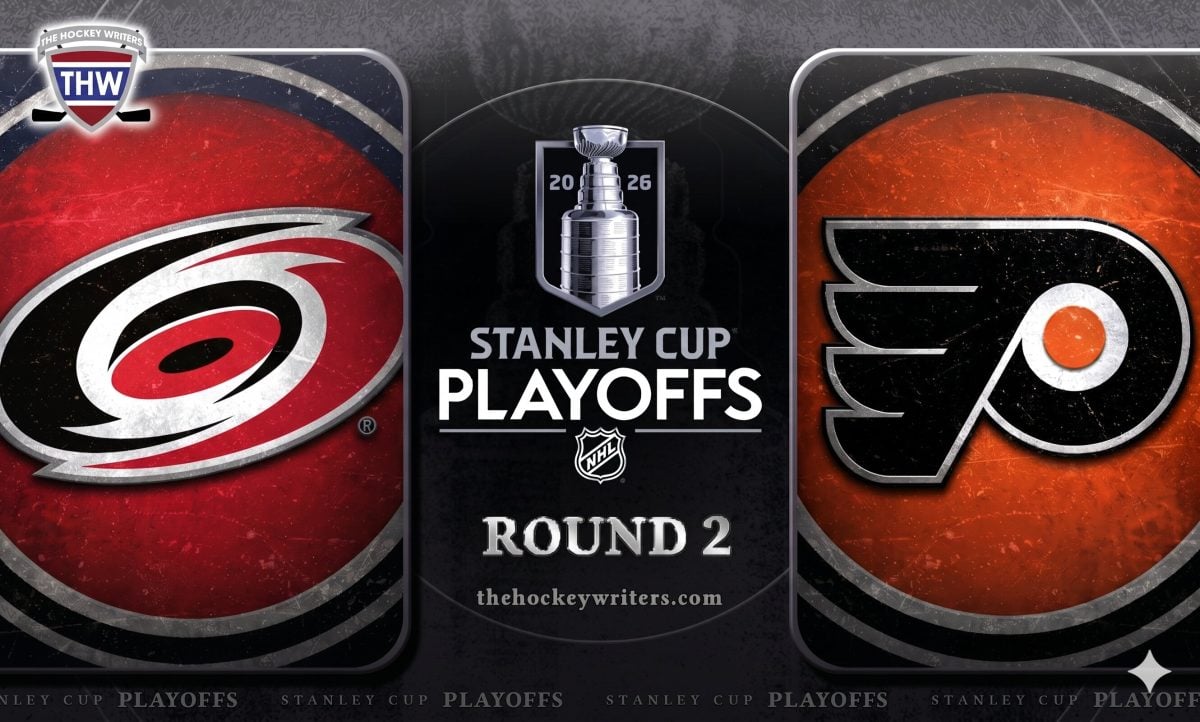
The 2026 NHL Stanley Cup Playoffs second round begins tonight with a matchup that has never occurred before in postseason history: the Carolina Hurricanes hosting the Philadelphia Flyers at PNC Arena in Raleigh, with puck drop scheduled for 8 p.m. ET on ABC. Carolina enters as the Metropolitan Division's top seed after a dominant four-game sweep of the Ottawa Senators, while Philadelphia advances on the strength of its first playoff series victory in 14 years, having eliminated the Pittsburgh Penguins in six games. The series pits two franchises with contrasting styles and trajectories against each other in what promises to be a physically demanding second-round battle.
Background
The Carolina Hurricanes have established themselves as one of the Eastern Conference's most consistent contenders over the past several years, built on a system that emphasizes relentless forechecking, defensive structure, and depth scoring. Head coach Rod Brind'Amour has developed a culture of accountability and compete level that has made Carolina difficult to play against regardless of the opponent. The Hurricanes finished the regular season with the best record in the Metropolitan Division and entered the playoffs as one of the favorites to reach the Stanley Cup Finals.
The Philadelphia Flyers' playoff appearance represents a significant organizational milestone. The franchise missed the postseason for multiple consecutive years before a roster rebuild centered on younger players began to bear fruit. Eliminating the Pittsburgh Penguins — a historic rival — in six games, including a 1-0 overtime victory in the series clincher on defenseman Cam York's goal, gave the Flyers a confidence-building first-round experience that the organization hopes to build on.
Key Developments
Carolina's first-round sweep of Ottawa was notable for its efficiency: the Hurricanes outscored the Senators 18-7 across four games, with Logan Stankoven emerging as a standout performer. The sweep gave Carolina additional rest heading into the second round, a potential advantage in a physically demanding playoff format. Philadelphia's six-game series against Pittsburgh was more competitive, requiring the Flyers to win two elimination games on the road — a test that may have hardened the team for the challenges ahead.
The series matchup presents interesting tactical questions. Carolina's system is built around generating turnovers in the offensive zone and converting them into high-danger scoring chances, while Philadelphia has shown the ability to play a structured defensive game and win low-scoring contests. The Flyers' overtime victory in Game 6 against Pittsburgh demonstrated their capacity to execute under pressure, a quality that will be tested against a Hurricanes team that has been dominant at home throughout the season.
Why Americans Should Care
The Hurricanes-Flyers series carries regional significance across the Mid-Atlantic and Southeast. In Raleigh, North Carolina, the Hurricanes have built one of the most passionate fan bases in the league over the past decade, transforming PNC Arena into a genuine home-ice advantage. The team's success has been a point of civic pride in a state that has seen significant population growth and economic development, and a deep playoff run would generate substantial economic activity for the Raleigh-Durham metro area. For Philadelphia, a city whose sports identity is defined by intensity and expectation, the Flyers' playoff run has reignited interest in a franchise that had faded from the front pages during its rebuilding years. The series will be broadcast nationally on ABC, giving it visibility across the country and potentially introducing new fans to both franchises. Hockey's growing popularity in non-traditional markets like the Carolinas reflects a broader trend of the sport expanding its geographic footprint in the United States.
Why It Matters
The NHL's second round is where playoff fields are genuinely tested, and the Hurricanes-Flyers series offers a compelling contrast in organizational philosophies. Carolina represents the established contender model — a team built methodically over years with a clear identity and proven playoff experience. Philadelphia represents the emerging challenger — a younger team with less postseason experience but genuine talent and a breakthrough first-round victory to draw confidence from. Historically, second-round series between top seeds and lower seeds that upset higher seeds in the first round tend to be competitive: the lower seed carries momentum and has already demonstrated it can win under pressure, while the top seed has the depth and experience to adjust.
The series also has implications for the broader Eastern Conference bracket, as the winner will advance toward a potential Stanley Cup Finals appearance. For the NHL, a Flyers run would be commercially significant, as Philadelphia is one of the league's largest markets and a deep playoff run would drive ratings and engagement in a city hungry for a championship. The sport's expansion into Southern markets — Carolina, Florida, Nashville, Vegas — has been one of the defining stories of the past decade, and the Hurricanes' sustained success is central to that narrative.
What's Next
Game 1 tips off tonight at 8 p.m. ET at PNC Arena in Raleigh. Game 2 is scheduled for Monday, May 4, also in Carolina. The series shifts to Philadelphia for Games 3 and 4 on Wednesday and Friday. The Stanley Cup Finals are scheduled to begin in late May, with the champion to be crowned in June.
Sources: NHL.com; CBS Philadelphia; NBC DFW