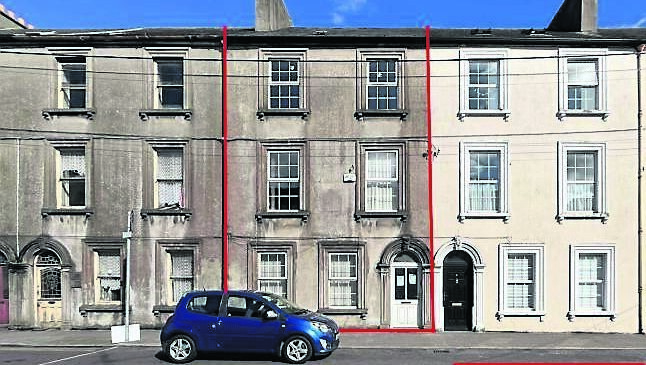
HSE Puts Historic Dublin Nurses' Home on Open Market After State Fails to Find Buyer
The Health Service Executive has placed a landmark Dublin nurses' home on the open market after an extended process of engagement with state bodies failed to identify a public sector buyer willing to acquire the historic property — a decision that has drawn criticism from heritage advocates, housing campaigners, and former nursing staff who argue that the building's sale to a private buyer represents a failure of public asset management and a loss of an important piece of Dublin's social history.
Background
Nurses' homes — residential buildings that provided accommodation for nursing staff working in nearby hospitals — were a feature of Irish healthcare infrastructure throughout much of the twentieth century. They served a practical function, providing affordable housing close to the workplace for nurses who were often young women from rural Ireland working in the capital for the first time. They also served a social function, creating communities of women who supported each other through the demands of a physically and emotionally challenging profession.
As the nursing profession evolved and as the expectation that nurses would live in employer-provided accommodation declined, many of these buildings became surplus to requirements. Some were converted to other uses — student accommodation, offices, or community facilities — while others were sold on the open market. The HSE, which inherited a large and complex property portfolio from its predecessor health boards, has been engaged in a long-running process of rationalising its estate, disposing of properties that are no longer required for health service purposes.
The Dublin nurses' home in question is a substantial building with significant architectural and historical interest. It is associated with a major Dublin hospital and has been part of the city's healthcare landscape for decades. The building has been vacant for several years, and its condition has deteriorated during that period, adding to the urgency of finding a new use for the property.
Key Developments
The HSE confirmed that it had engaged with a range of state bodies — including the Department of Housing, the Land Development Agency, and several local authorities — in an effort to find a public sector buyer for the property. None of these bodies indicated a willingness to acquire the building, citing a combination of factors including the cost of renovation, the complexity of the site, and competing priorities for capital expenditure.
With no state buyer identified, the HSE has now placed the property on the open market through a commercial property agent. The sale is expected to attract interest from private developers, who may seek to convert the building to residential, hotel, or office use. The HSE has confirmed that the proceeds of the sale will be reinvested in the health service, but has not specified how the funds will be used.
The decision has been criticised by a number of groups. Housing campaigners have argued that the building could have been converted to social or affordable housing, providing much-needed homes in a city where the housing crisis continues to bite. Heritage advocates have raised concerns about the future of the building's architectural fabric, noting that private developers may seek to make significant alterations that would compromise its historic character. Former nursing staff who lived in the building have expressed sadness at its sale, describing it as the end of an era.
Why It Matters
The sale of the Dublin nurses' home raises important questions about how the state manages its property assets and about the relationship between public asset disposal and the housing crisis. Ireland is in the midst of a severe housing shortage, with tens of thousands of people on social housing waiting lists and a private rental market that is unaffordable for many workers. The failure to identify a state buyer for a substantial building in Dublin — a city where the need for housing is most acute — is a significant policy failure, regardless of the practical difficulties involved.
The broader pattern of HSE property disposals has been the subject of criticism from the Comptroller and Auditor General, who has previously noted that the health service's approach to property management lacks strategic coherence and that decisions about the disposal of assets are not always made with sufficient regard for their potential alternative uses. The nurses' home sale is consistent with this pattern and is likely to feature in future audit reports on HSE property management.
Local Impact
The impact of the sale will depend significantly on what the eventual buyer proposes to do with the building. If it is converted to private residential use, it will add to the housing stock in the area but will not address the need for social or affordable housing. If it is converted to a hotel or office use, it will generate economic activity but will do nothing to address the housing crisis. Local residents and community organisations in the area have called for the planning process to be used to ensure that any development of the site includes a meaningful social housing component, and several local councillors have indicated they will be scrutinising any planning application closely.
What's Next
The HSE's commercial agent is expected to begin marketing the property in the coming weeks, with expressions of interest sought from potential buyers. The sale process is likely to take several months, and any subsequent development of the site will require planning permission from Dublin City Council. Heritage groups have indicated they will be making submissions to the planning process to ensure that the building's architectural character is protected. The Oireachtas Committee on Health has indicated it may seek a briefing from the HSE on the decision to sell the property on the open market rather than pursuing alternative public sector uses.