HSE Launches Donegal Loneliness Programme for Older People as Mid-West Osteoporosis Study Offers Grounds for Optimism
The Health Service Executive has launched a new loneliness programme for older people in County Donegal as part of a broader national initiative to address social isolation among the elderly — one of the most significant but least visible public health challenges facing Ireland — while a major 26-year study conducted in the Mid-West has found a significant reduction in osteoporosis across a generation, offering grounds for cautious optimism about the future trajectory of age-related bone disease in Ireland.
Background
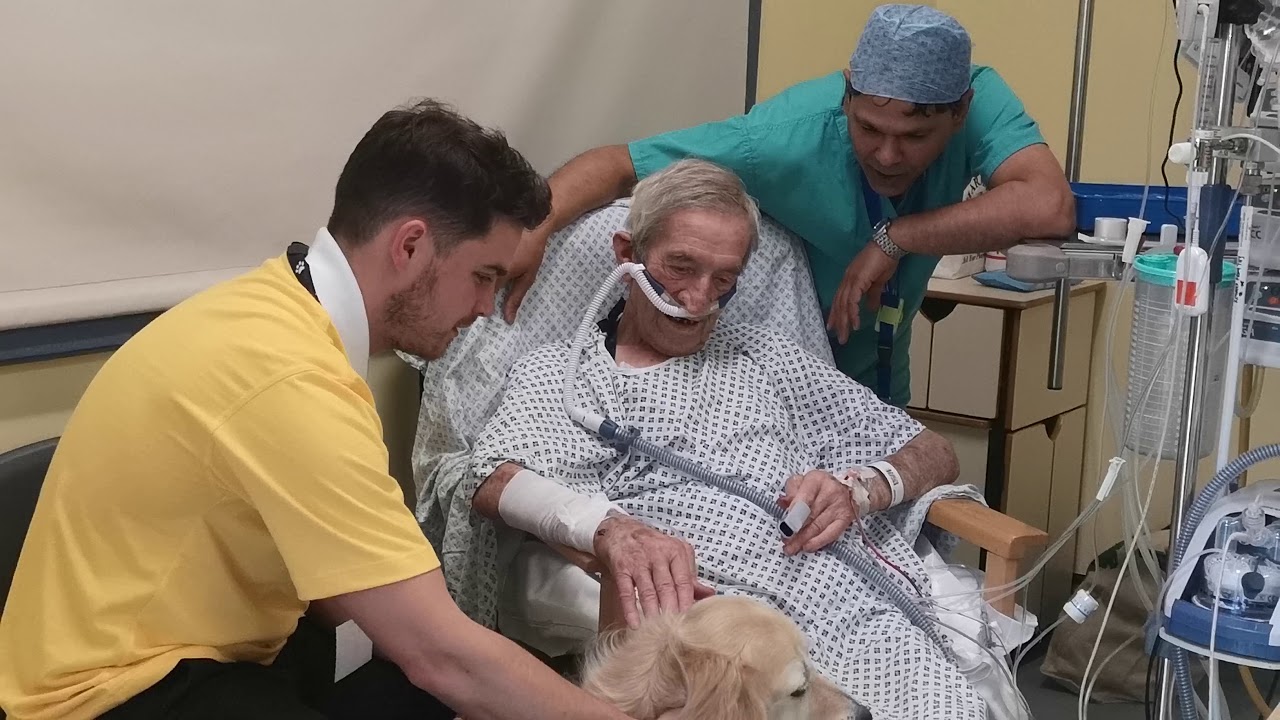
Loneliness and social isolation among older people have been recognised as major public health challenges in Ireland for many years, but the issue gained new urgency during the Covid-19 pandemic, when restrictions on movement and social contact had a devastating impact on the mental and physical health of elderly people living alone. Research consistently shows that chronic loneliness is associated with a range of serious health outcomes, including increased risk of depression, cognitive decline, cardiovascular disease, and premature death — effects that are comparable in magnitude to those of smoking or obesity.
Ireland's ageing population makes this challenge particularly pressing. The proportion of the population aged 65 and over is growing rapidly, and the trend towards smaller households and greater geographic mobility means that many older people are living further from family members who might otherwise provide social support. In rural areas — where Donegal is a particularly striking example — the combination of dispersed settlement patterns, limited public transport, and the decline of traditional community institutions has created conditions in which social isolation is endemic among older residents.
The HSE's decision to launch a dedicated loneliness programme in Donegal reflects both the scale of the problem in the county and the growing recognition within the health service that addressing social determinants of health — including loneliness — is as important as treating the physical conditions that result from them.
Key Developments
The Donegal loneliness programme, which was launched on September 7, will provide a range of supports for older people experiencing social isolation, including befriending services, group activities, and connections to community organisations. The programme is being delivered in partnership with local voluntary organisations and community groups, reflecting the HSE's recognition that addressing loneliness requires a community-based approach rather than a purely clinical one.
The programme is part of a broader national initiative that the HSE is rolling out across all of its health regions, with Donegal among the first areas to receive dedicated funding and staffing. The initiative is informed by research showing that targeted interventions — including befriending programmes, group activities, and digital connectivity supports — can significantly reduce loneliness among older people and improve their health outcomes.
Separately, a major 26-year study conducted in the Mid-West region has found a significant reduction in osteoporosis across a generation of patients, suggesting that improvements in diet, exercise, and medical management over the past quarter-century have had a measurable impact on bone health. The study, which tracked a cohort of patients from the 1990s to the present day, found that the prevalence of osteoporosis in the cohort had fallen significantly, with researchers suggesting that this trend could lead to a reduction in the number of hip fractures and other osteoporosis-related injuries in the coming decades.
Why It Matters
The HSE's loneliness programme matters because it represents a recognition that health is not simply the absence of disease but a state of physical, mental, and social wellbeing. Addressing loneliness among older people is not just a matter of compassion — though it is certainly that — but a matter of sound public health policy. The evidence that loneliness is associated with serious health outcomes means that reducing social isolation among older people has the potential to reduce demand for health services, improve quality of life, and extend healthy life expectancy. The osteoporosis study is significant because it provides evidence that public health interventions — including campaigns to promote calcium intake, exercise, and bone density screening — can have measurable effects on population health over the long term. This kind of longitudinal evidence is rare and valuable, and the Mid-West study's findings will inform the HSE's approach to bone health promotion in the coming years.
Local Impact
The loneliness programme will have its most immediate impact in Donegal, where the combination of rural isolation, an ageing population, and limited public transport makes social isolation a particularly acute problem. Communities across the county — from Letterkenny and Donegal Town to the more remote areas of the Inishowen Peninsula and the Gaeltacht — will benefit from the programme's befriending and community activity services. The osteoporosis study's findings will be of particular interest to the HSE's Mid-West health region, which covers Limerick, Clare, and Tipperary, and which will use the data to inform its bone health promotion and fracture prevention programmes. The study's findings will also be shared with the HSE's other health regions, providing a national evidence base for bone health interventions.
What's Next
The Donegal loneliness programme will be evaluated after its first year of operation, with the findings used to inform the rollout of similar programmes in other health regions. The HSE has indicated that it plans to have loneliness programmes in place across all six of its health regions by the end of 2027. The Mid-West osteoporosis study will be published in a peer-reviewed medical journal in the coming months, making its findings available to the international research community. The HSE's bone health promotion programme will be updated in light of the study's findings, with a particular focus on reaching older people who have not previously been screened for osteoporosis.