HSE Launches HPV Vaccine Catch-Up Programme for Post-Primary Students as Uptake Remains Below Target
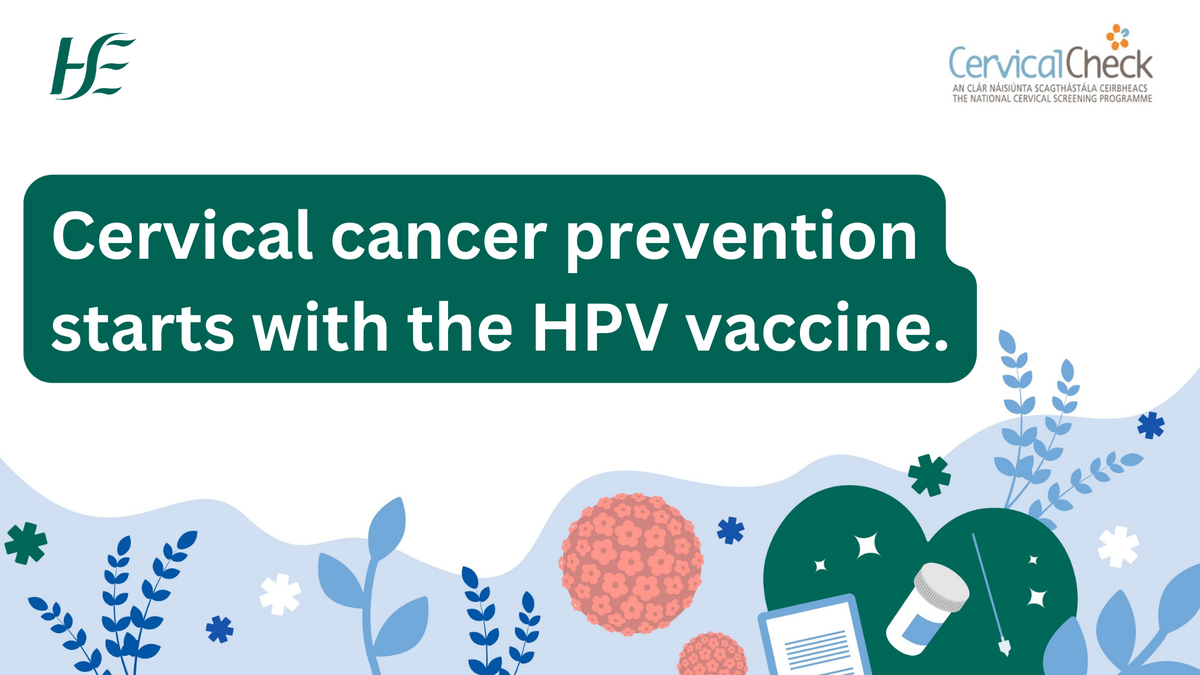
The HSE has launched the next phase of the Laura Brennan HPV Vaccine Catch-Up Programme for post-primary students, as Ireland's overall HPV vaccination uptake remains below the World Health Organisation's 90 per cent target, with health officials warning that persistent misinformation — amplified by social media — continues to be a significant barrier to achieving the coverage needed to eliminate cervical cancer as a public health threat.
Background
The human papillomavirus (HPV) vaccine is one of the most effective public health interventions ever developed, capable of preventing the vast majority of cervical cancers as well as a range of other HPV-related cancers and conditions. Ireland introduced the HPV vaccine into the national immunisation programme in 2010, initially for girls in first year of secondary school. The programme was extended to boys in 2019, following evidence that vaccination of both sexes provides greater population-level protection.
The programme is named after Laura Brennan, a Clare woman who became one of Ireland's most prominent advocates for HPV vaccination before her death from cervical cancer in 2019 at the age of 26. Brennan's advocacy, which she continued until the final weeks of her life, is widely credited with reversing a significant decline in HPV vaccination uptake that had been driven by misinformation in the mid-2010s. Her legacy has been honoured by naming the catch-up programme after her.
Despite the recovery in uptake following Brennan's advocacy, Ireland's HPV vaccination rates remain below the WHO's 90 per cent target for elimination of cervical cancer as a public health threat. The catch-up programme, which targets students who missed the vaccine in first year, is designed to close the gap between current uptake rates and the elimination threshold.
Key Developments
The latest phase of the Laura Brennan HPV Vaccine Catch-Up Programme was launched on 10 September 2026, targeting post-primary students who have not yet received the vaccine. The programme is being delivered through schools, with HSE vaccination teams visiting secondary schools across the country to offer the vaccine to eligible students. Parents and guardians of students who have not yet been vaccinated are being contacted directly by the HSE with information about the programme and how to consent to vaccination.
The HSE has also launched a new public information campaign to address the misinformation that continues to circulate about the HPV vaccine on social media. The campaign, which features testimonials from healthcare professionals and from families affected by cervical cancer, is designed to counter specific claims that have been circulating online, including false claims about the vaccine's safety and efficacy.
Health officials have noted that the misinformation problem has evolved since the mid-2010s, with new claims emerging on platforms including TikTok and Instagram that are specifically targeted at young people. The HSE's digital communications team has been working to identify and respond to these claims in real time, but officials acknowledge that the scale of the challenge is significant.
Why It Matters
The HPV vaccine is one of the few medical interventions that can genuinely eliminate a form of cancer. The WHO's target of 90 per cent vaccination coverage, combined with 70 per cent screening coverage and 90 per cent treatment coverage, would effectively eliminate cervical cancer as a public health threat within a generation. Ireland has the potential to achieve that goal, but only if vaccination uptake reaches and sustains the 90 per cent threshold.
The persistence of misinformation about the HPV vaccine is a serious public health problem that goes beyond the specific issue of cervical cancer. It reflects a broader erosion of trust in public health institutions and scientific expertise that has been accelerated by the COVID-19 pandemic and by the algorithmic amplification of false information on social media platforms. Addressing that erosion requires sustained, evidence-based communication that meets people where they are — including on the social media platforms where the misinformation is spreading.
Local Impact
The catch-up programme is being delivered in secondary schools across all 26 counties of the Republic, with the HSE's vaccination teams working through a schedule that prioritises schools in areas where uptake has historically been lowest. In Dublin, where uptake rates have been below the national average in some areas, the programme is being supported by additional community outreach through GPs and community health workers. In rural areas, where access to healthcare can be more limited, the school-based delivery model is particularly important, as it ensures that students can be vaccinated without requiring a separate visit to a GP or clinic. The HSE has indicated that the programme will continue through the autumn term, with a target of reaching all eligible students before the Christmas break.
What's Next
The HSE will publish updated HPV vaccination uptake data in October 2026, which will show whether the catch-up programme is making progress toward the 90 per cent target. The Department of Health is also expected to publish a new national immunisation strategy before the end of the year, which will set out a framework for improving vaccination uptake across all programmes. The Oireachtas Committee on Health is expected to hold a hearing on vaccine misinformation in the autumn, with representatives from the HSE, social media platforms, and public health experts expected to give evidence.