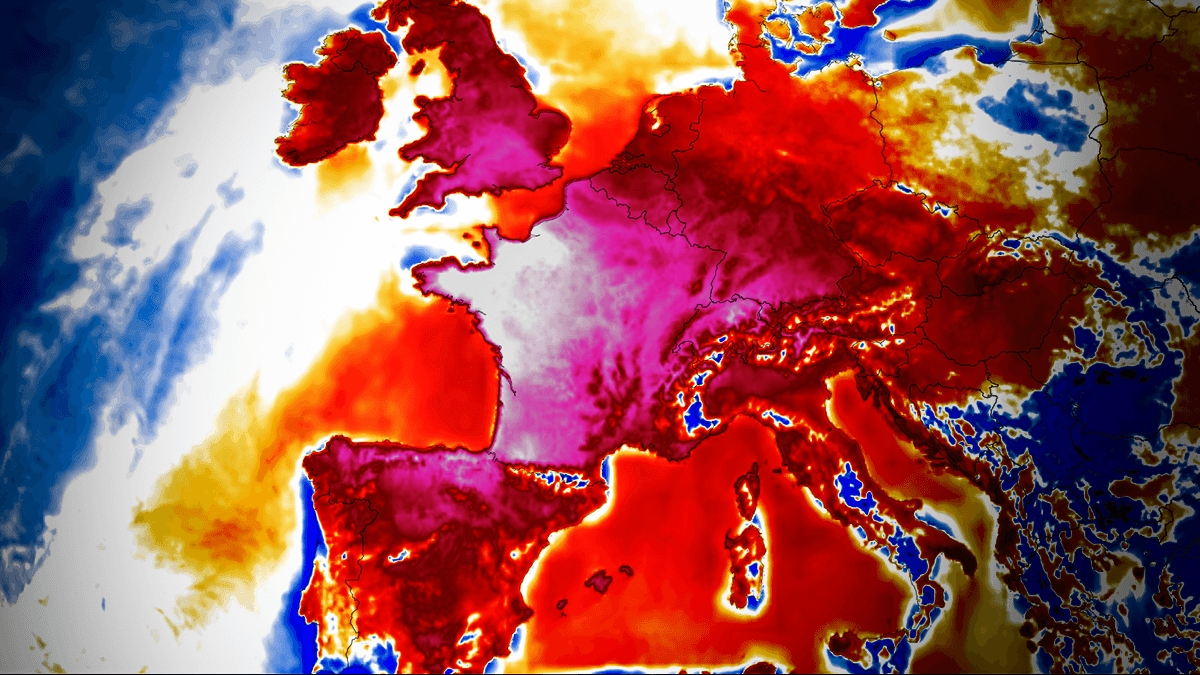
HSE Issues Post-Heatwave Health Guidance as Ireland Recovers from Record 32°C Temperatures
The HSE has issued comprehensive post-heatwave health guidance as Ireland recovers from a week of record-breaking temperatures that saw the mercury reach a provisional 32.1°C in Athenry, County Galway — part of a much larger European heatwave that scientists have linked directly to human-made climate change and which has prompted urgent questions about Ireland's preparedness for extreme weather events that are expected to become more frequent in the coming decades.
Background
Ireland's climate has historically been characterised by mild, wet weather — a consequence of the country's position on the western edge of Europe, where the moderating influence of the Atlantic Ocean keeps temperatures relatively stable throughout the year. Extreme heat has been a rarity, and the country's housing stock, public buildings, and health infrastructure have been designed and built with this mild climate in mind. Air conditioning is uncommon in Irish homes and offices, and the health service has limited experience of managing the specific health challenges associated with prolonged periods of extreme heat.
This context makes the heatwave of mid-June 2026 particularly significant. The week of temperatures that peaked at 32.1°C in Athenry was not just a statistical anomaly — it was a demonstration of the kind of extreme weather event that climate scientists have been warning about for years, and which is expected to become more frequent as global temperatures continue to rise. The Irish heatwave was part of a much larger European event, with temperatures exceeding 40°C in several countries and causing significant loss of life among vulnerable populations.
The HSE's response to the heatwave — issuing public health guidance, increasing ambulance capacity, and working with local authorities to open cooling centres — was broadly effective, but the experience has highlighted the need for more systematic preparation for future extreme heat events. The Status Yellow high-temperature warning issued by Met Éireann, which expired on the morning of June 27 as cooler Atlantic weather moved in, was the first of its kind to cover such a large portion of the country.
Key Developments
The HSE's post-heatwave guidance, published this weekend, focuses on three areas: recovery from heat-related illness, the identification of those most at risk from future extreme heat events, and the steps that individuals and communities can take to prepare for future heatwaves. The guidance emphasises the particular vulnerability of older people, young children, those with chronic health conditions, and those who work outdoors.
During the peak of the heatwave, ambulance call-outs increased significantly across the country, with the National Ambulance Service reporting a notable rise in calls related to heat exhaustion, dehydration, and cardiovascular events. Emergency departments in Dublin, Cork, and Galway reported increased attendances, and several hospitals activated their heat emergency protocols for the first time.
The provisional temperature record of 32.1°C in Athenry, if confirmed, would represent one of the highest temperatures ever recorded in Ireland. The previous record, set in Kilkenny in 1887, was 33.3°C — a figure that illustrates how unusual extreme heat has historically been in Ireland. The fact that temperatures are now approaching that record with increasing frequency is a clear indicator of the impact of climate change on Irish weather patterns.
Why It Matters
The heatwave and its health consequences matter because they are a preview of what Ireland can expect as climate change continues to alter the country's weather patterns. The health service's capacity to manage extreme heat events is currently limited, and the experience of mid-June 2026 has exposed gaps in preparedness that need to be addressed urgently. Unlike flooding or storm damage — which Ireland has more experience of managing — extreme heat is a relatively new challenge for the health service, and the development of robust protocols and infrastructure will take time and investment.
The European dimension of the heatwave is also significant. The deaths that occurred in other European countries during the same period — primarily among elderly people who lacked access to cooling — are a stark reminder of the human cost of inadequate preparation for extreme heat. Ireland's relatively mild climate has meant that the country has not yet experienced the kind of mass mortality events associated with extreme heat in southern Europe, but the trajectory of climate change suggests that this may change in the coming decades.
The heatwave has also highlighted the inadequacy of Ireland's housing stock for extreme heat conditions. The vast majority of Irish homes are designed to retain heat rather than to dissipate it, and the absence of air conditioning in most residential properties means that indoor temperatures can remain dangerously high even after outdoor temperatures have fallen. Addressing this through building regulations and retrofit programmes is a long-term challenge that requires sustained policy attention.
Local Impact
The health impact of the heatwave was felt most acutely in urban areas, where the "heat island" effect — the tendency of cities to retain heat more than rural areas — amplified the already high temperatures. In Dublin, Cork, and Galway, residents in older housing stock without gardens or outdoor space were particularly vulnerable. The HSE's community health teams worked with local authorities to identify and support vulnerable individuals in these areas, but the scale of the challenge exceeded the capacity of existing services in some areas. In rural areas, the impact was felt differently — farmers and outdoor workers faced significant heat stress, and the demand for water from Uisce Éireann's network reached record levels, prompting conservation notices in several areas.
What's Next
The Department of Health is expected to commission a formal review of Ireland's preparedness for extreme heat events in the aftermath of the June heatwave, with a report expected before the end of the year. The review will examine the adequacy of existing protocols, the capacity of the health service to manage future events, and the steps that can be taken to reduce the vulnerability of the most at-risk populations. Met Éireann has indicated that it will review its warning systems for extreme heat in light of the June experience, with a view to providing earlier and more specific warnings for future events.