HSE Grapples with €400 Million Deficit as Recruitment Freeze and Spending Curbs Take Hold
The Health Service Executive is navigating one of the most serious financial crises in its history, with its budget deficit reaching €400 million by the end of May 2026 and prompting the implementation of emergency spending controls that include a freeze on recruitment for all non-frontline and non-critical roles across the organisation's vast network of hospitals, community services, and administrative functions.
Background
The HSE, which is responsible for delivering health and social care services to the population of the Republic of Ireland, has an annual budget of approximately €23 billion — the largest single allocation in the Irish state's expenditure programme. The organisation employs more than 130,000 people, making it the largest employer in the country, and delivers services ranging from acute hospital care and emergency medicine to community nursing, mental health services, and disability support.
The HSE has been in a state of financial difficulty for several years, with spending consistently exceeding budget allocations and with the organisation relying on supplementary estimates — additional funding provided by the government at the end of the financial year — to close the gap. The pattern of overspending has been driven by a combination of factors including demographic pressures, the increasing cost of medical technology and pharmaceuticals, the high cost of agency staff, and the impact of pay agreements that have increased the wages of health workers across the board.
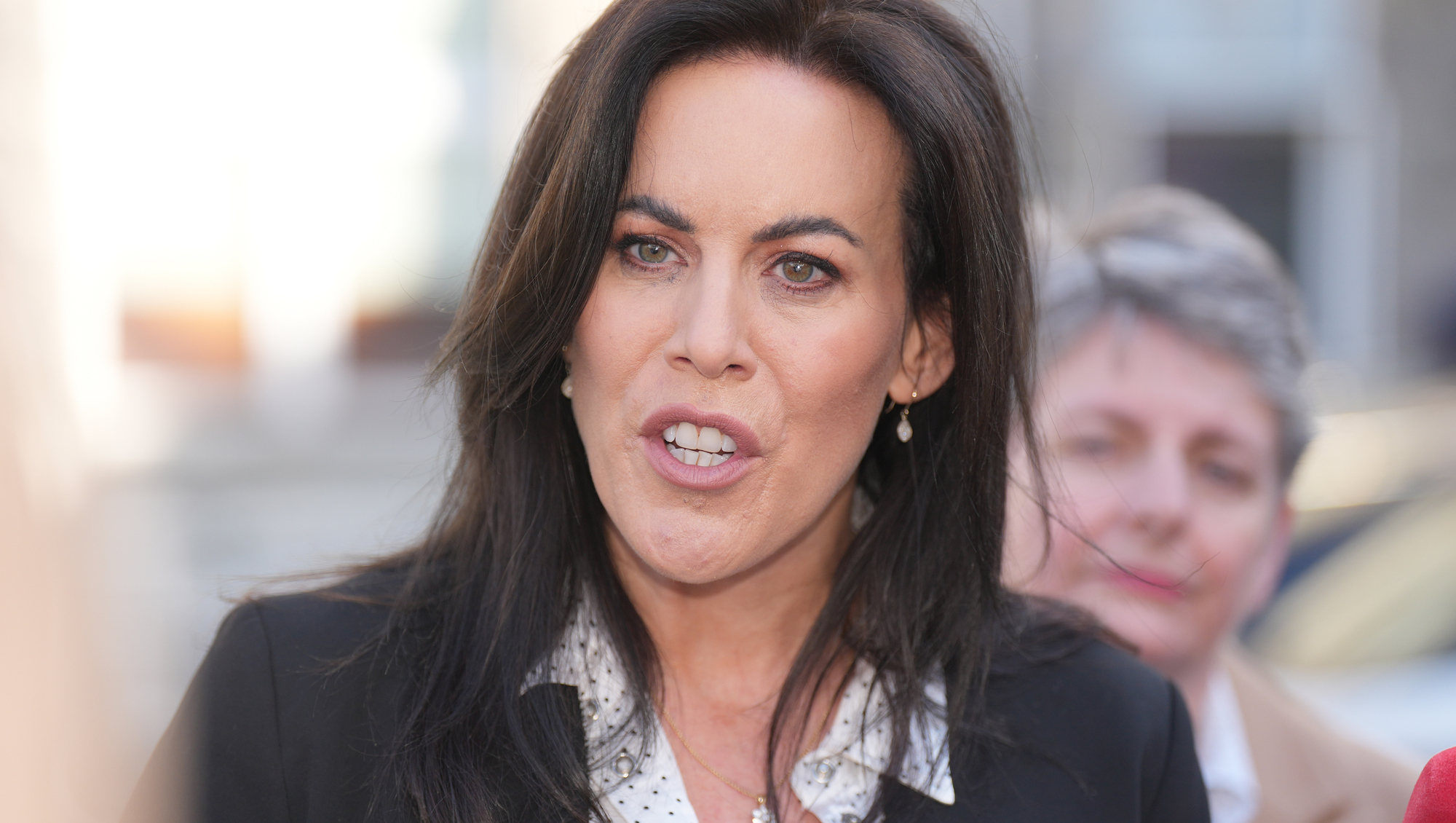
The current deficit of €400 million, which represents approximately 1.7% of the HSE's total budget, is the largest in absolute terms that the organisation has recorded at this point in the financial year. Health Minister Jennifer Carroll MacNeill has described the situation as "not fiscally sustainable" and has indicated that the government will not automatically provide supplementary funding to cover the overspend.
Key Developments
The HSE's response to the deficit has involved the implementation of what it describes as "tier three escalation" measures — a set of emergency spending controls that are triggered when the deficit reaches a certain threshold. The most significant of these measures is a freeze on recruitment for all non-frontline and non-critical roles, which affects a wide range of administrative, managerial, and support positions across the organisation.
The recruitment freeze is accompanied by increased scrutiny of all discretionary spending, including travel, training, and consultancy costs. The HSE has also launched a major initiative to reduce its reliance on agency staff, which cost the organisation more than €900 million in the previous financial year. Agency staff are typically significantly more expensive than directly employed staff, and reducing their use is one of the most significant levers available to the HSE in managing its costs.
Health Minister Carroll MacNeill has stated that the current level of spending, primarily driven by pay budgets and what she described as "over-recruitment" in recent years, is not compatible with the government's fiscal framework. She has indicated that the HSE will be required to demonstrate a credible plan for returning to budget before any additional funding is considered.
Why It Matters
The HSE's financial crisis matters because it has direct implications for the quality and availability of health services for patients across Ireland. A recruitment freeze, even one limited to non-frontline roles, can have knock-on effects on the capacity of the health service to function effectively, as administrative and support staff play crucial roles in managing patient flows, processing referrals, and maintaining the systems that clinical staff depend on.
The crisis also matters in the context of the broader Sláintecare reform programme, which is designed to transform the Irish health system from a hospital-centred model to one that delivers more care in the community. Sláintecare requires significant investment in community health infrastructure, and a financial crisis that forces the HSE to cut spending across the board risks undermining the reform programme at a critical stage of its implementation.
Local Impact
The impact of the HSE's financial difficulties is being felt across the country, but is particularly acute in regions where the health service is already under significant pressure. In the HSE South West region, which covers Cork and Kerry, a governance crisis that led to the appointment of an independent reviewer earlier this year has compounded the financial difficulties, creating a situation in which both management capacity and financial resources are stretched to the limit.
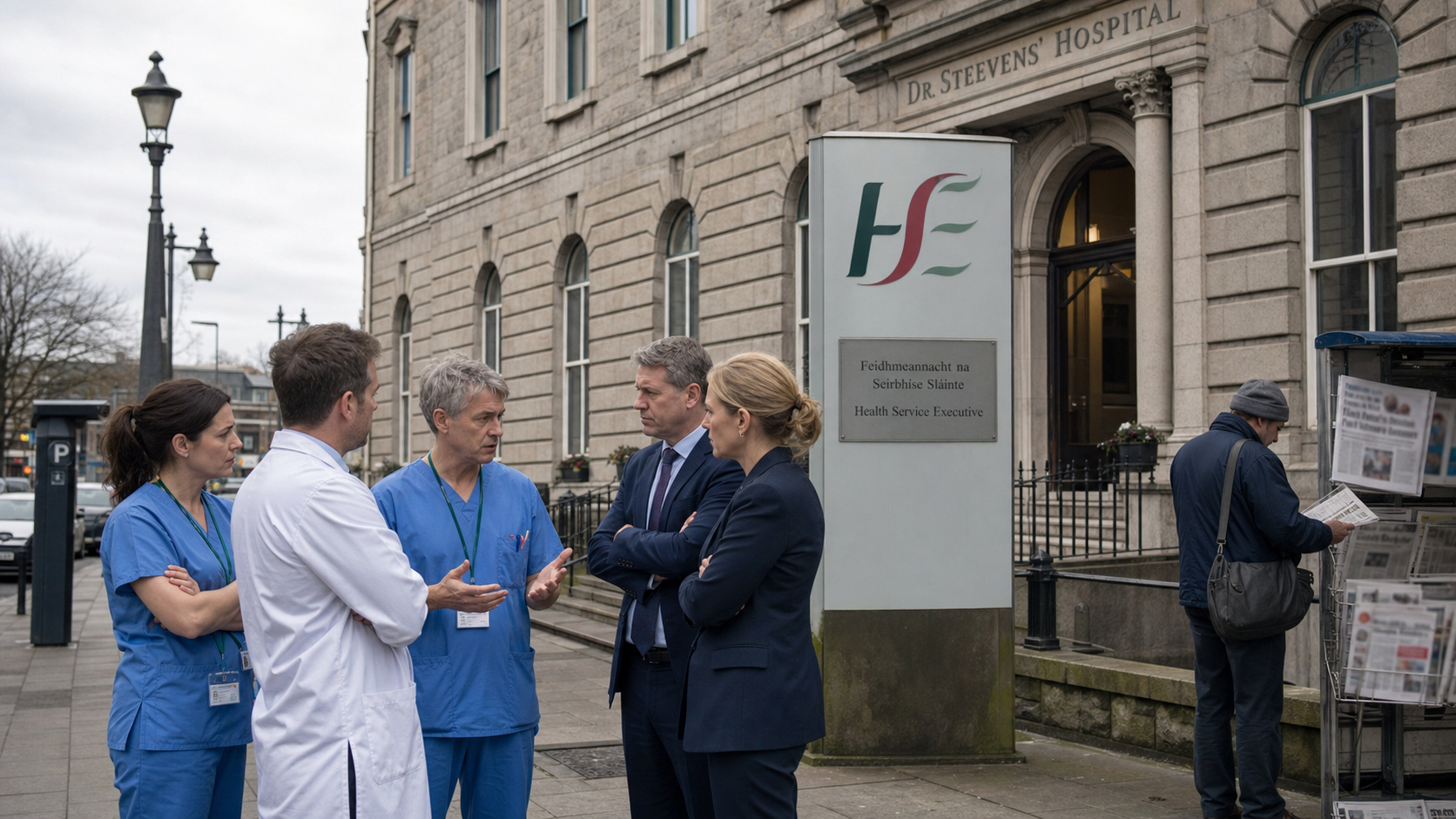
In Dublin, where the largest concentration of HSE services is located, the recruitment freeze has already begun to affect the capacity of several hospitals to fill vacant administrative and support positions. The Mater Hospital, St James's Hospital, and Beaumont Hospital have all confirmed that they are operating under the recruitment freeze, with some positions that had been advertised now placed on hold pending a review of the HSE's financial position.
What's Next
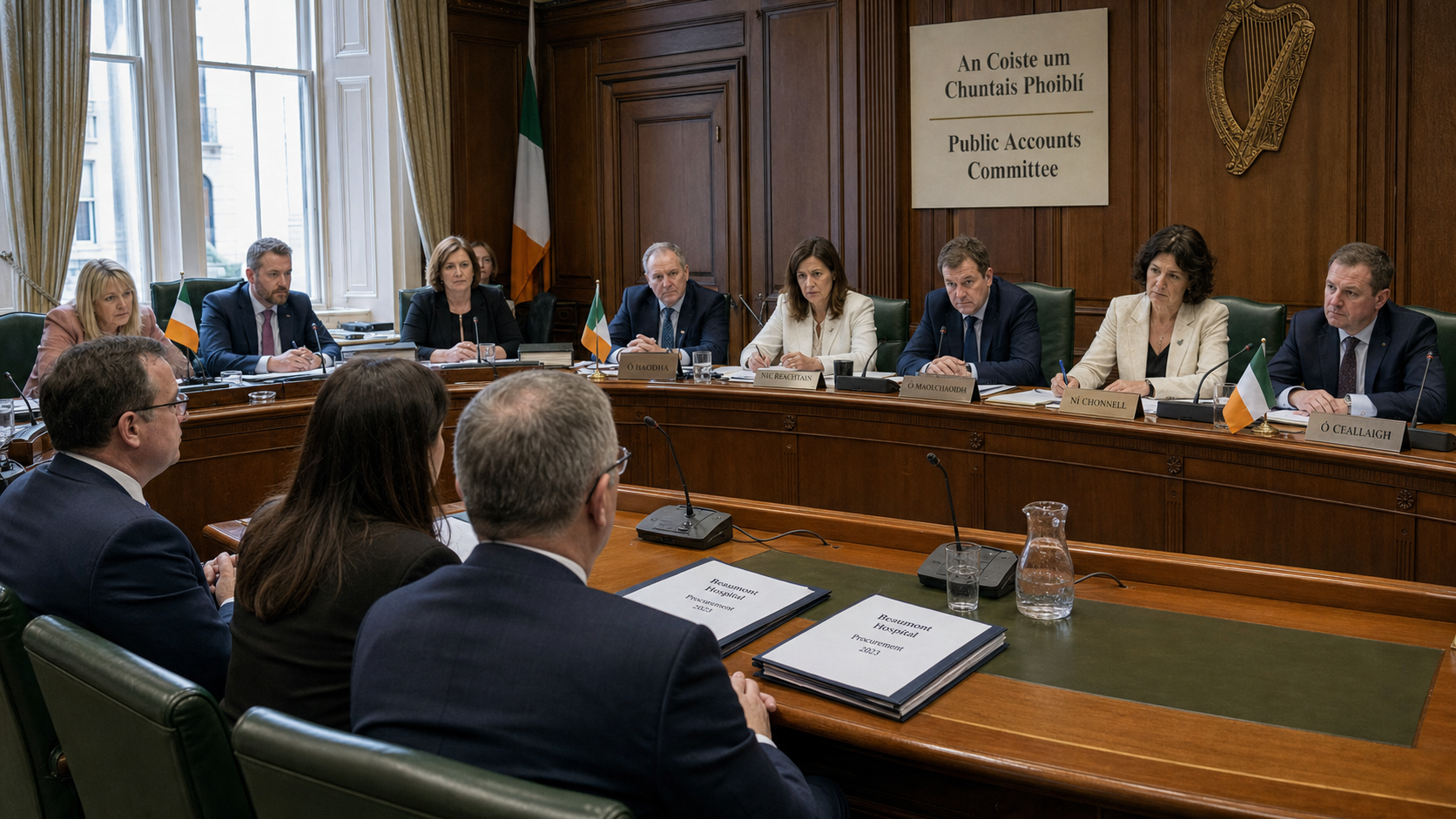
The HSE is expected to present a revised financial plan to the Department of Health in July, setting out how it intends to reduce the deficit over the remainder of the financial year. The plan is expected to include further spending controls and a detailed analysis of the agency staff reduction programme. The Oireachtas Health Committee has requested that the HSE Director General appear before the committee in September to give evidence on the financial situation and the measures being taken to address it.