HSE Approves Skyclarys for Friedreich's Ataxia Patients in Landmark Decision for Rare Disease Community
The Health Service Executive has approved the reimbursement of Skyclarys — the brand name for omaveloxolone — for patients diagnosed with Friedreich's Ataxia in a landmark decision that will provide Irish patients with access to the first approved treatment for the progressive neurological condition, ending years of campaigning by patient advocacy groups who have argued that the absence of reimbursement was leaving Irish patients behind their counterparts in other European countries where the drug has been available for longer.
Background
Friedreich's Ataxia is a rare, inherited, progressive neurological condition that affects the nervous system and the heart. It is caused by a mutation in the FXN gene, which leads to a deficiency of a protein called frataxin that is essential for the normal function of nerve cells and heart muscle cells. The condition typically begins in childhood or adolescence and progresses over time, leading to difficulties with coordination and balance, muscle weakness, and in many cases, heart disease.
There is no cure for Friedreich's Ataxia, and until the approval of Skyclarys, there were no disease-modifying treatments available — only supportive care to manage symptoms and complications. The condition affects approximately one in 50,000 people, making it one of the more common rare diseases, and there are estimated to be several hundred patients in Ireland living with the condition.
Skyclarys (omaveloxolone) was developed by Reata Pharmaceuticals and works by activating a cellular pathway that helps to protect cells from oxidative stress — one of the mechanisms by which frataxin deficiency damages nerve and heart cells. Clinical trials demonstrated that the drug slowed the progression of neurological symptoms in patients with Friedreich's Ataxia, making it the first treatment to show a meaningful impact on the course of the disease.
Key Developments
The HSE's decision to approve the reimbursement of Skyclarys follows a lengthy assessment process by the National Centre for Pharmacoeconomics, which evaluates the clinical and cost-effectiveness of new medicines before making recommendations to the HSE. The approval means that eligible patients — those with a confirmed diagnosis of Friedreich's Ataxia who meet the clinical criteria for treatment — will be able to access the drug through the HSE's Long-Term Illness scheme without having to pay for it themselves.
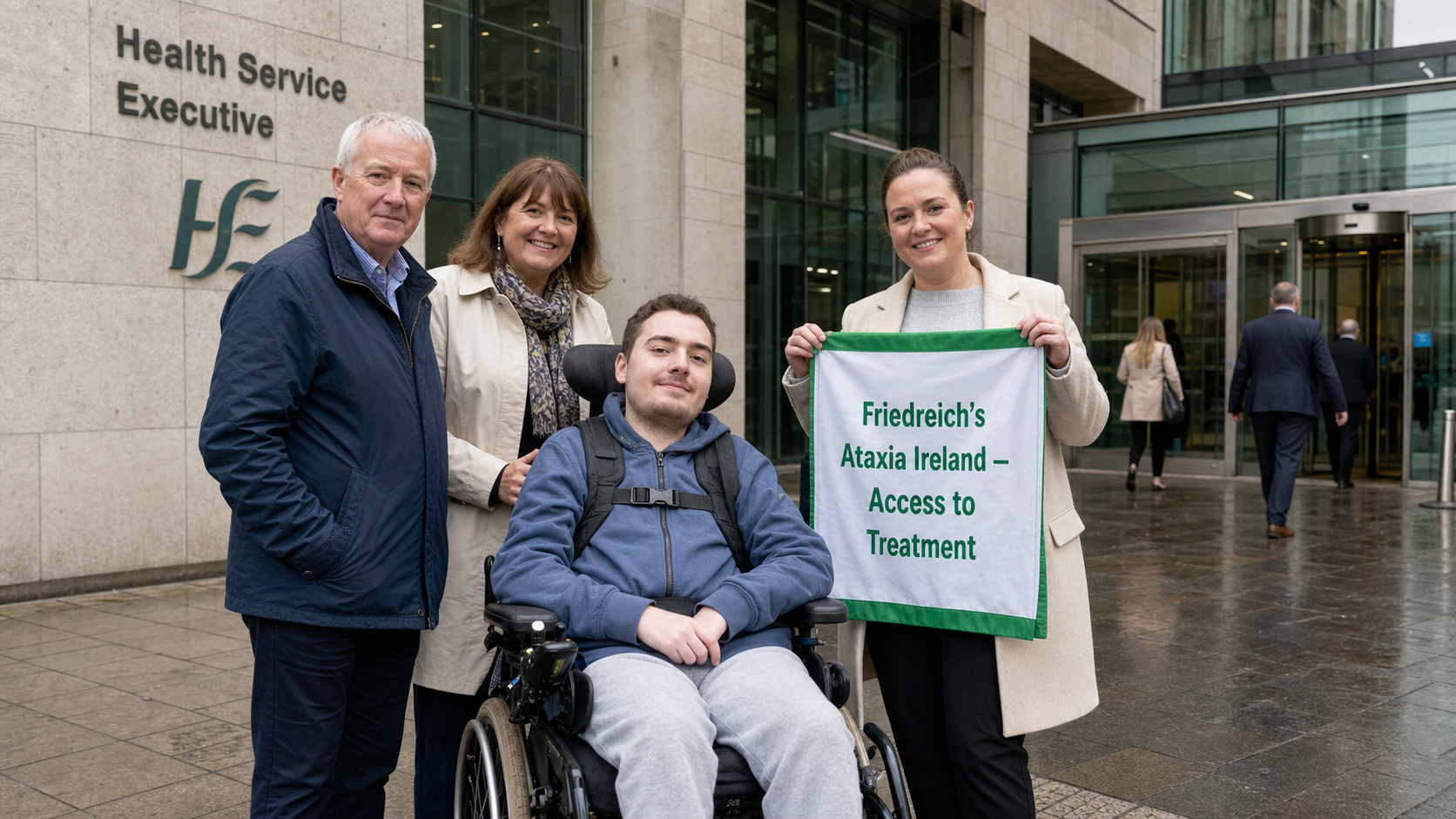
The decision has been welcomed by Friedreich's Ataxia Ireland, the patient advocacy organisation that has been campaigning for access to Skyclarys for several years. The organisation's representatives described the approval as a 'life-changing' development for patients and their families, noting that the drug's ability to slow the progression of the condition could have a significant impact on patients' quality of life and independence.
The approval also has implications for the broader rare disease community in Ireland. Friedreich's Ataxia is one of hundreds of rare conditions for which patients in Ireland have historically had difficulty accessing approved treatments, and the HSE's decision to approve Skyclarys is seen as a positive signal about the agency's commitment to providing access to innovative therapies for rare disease patients.
Why It Matters
The approval of Skyclarys matters because it represents a genuine advance in the treatment of a condition that has, until now, offered patients and their families very little in the way of hope for slowing the disease's progression. For a young person diagnosed with Friedreich's Ataxia, the knowledge that there is now a treatment that can slow the deterioration of their neurological function is profoundly significant — not a cure, but a meaningful intervention that can preserve function and independence for longer.
The decision also matters because it reflects the ongoing challenge of providing access to innovative medicines in a healthcare system that must balance the needs of individual patients against the constraints of a finite budget. The cost of Skyclarys is significant — as is the case with most rare disease treatments — and the HSE's decision to approve it reflects a judgement that the clinical benefit justifies the cost. This is a judgement that the agency must make repeatedly for new medicines, and the process by which it does so is of fundamental importance to patients with rare diseases.
For the rare disease community in Ireland, the Skyclarys approval is a reminder of the importance of patient advocacy in securing access to treatments. Friedreich's Ataxia Ireland's years of campaigning — raising awareness, engaging with the HSE and the Department of Health, and supporting patients through the assessment process — played a significant role in bringing the drug to the point of approval.
Local Impact
For the several hundred patients with Friedreich's Ataxia in Ireland, the HSE's decision is immediately and practically significant. Those who meet the clinical criteria for treatment will be able to begin accessing Skyclarys through their neurologist or specialist centre, with the drug available through the Long-Term Illness scheme. The National Rare Disease Office, which coordinates the care of patients with rare conditions across the HSE, will be involved in the implementation of the reimbursement decision and in ensuring that eligible patients are identified and referred for treatment.
In Cork, Dublin, and Galway — where the main specialist centres for neurological conditions are located — clinical teams have been preparing for the approval and are ready to begin prescribing the drug to eligible patients. The Mater Hospital in Dublin and Cork University Hospital, which have specialist neurology services, are expected to be among the primary centres for Skyclarys prescribing.
What's Next
The HSE will publish detailed prescribing criteria for Skyclarys in the coming weeks, setting out the clinical conditions that patients must meet to be eligible for reimbursement. Neurologists across the country will be briefed on the criteria and on the process for initiating treatment. Friedreich's Ataxia Ireland has indicated that it will continue to work with the HSE to ensure that all eligible patients are identified and that the implementation of the reimbursement decision is as smooth as possible. The organisation is also continuing to advocate for access to other treatments that are in development for Friedreich's Ataxia, with several promising therapies currently in clinical trials.