Hospital Waiting Lists Approach One Million as Elective Hospital Delays Push Sláintecare Reform Off Course
Nearly 943,000 people are on some form of hospital waiting list in Ireland — approaching one-in-five of the entire population — as chronic and deepening delays to the government's flagship elective hospital programme push the Sláintecare reform agenda significantly off course, with the three planned facilities in Dublin, Cork, and Galway now unlikely to be shovel-ready before 2030 at the earliest.
Background
Sláintecare, the ten-year plan for the reform of Ireland's health and social care system, was published in 2017 and represented the most ambitious attempt in the history of the state to transform the delivery of healthcare in Ireland. At its core was a commitment to universal access to healthcare based on need rather than ability to pay, and a fundamental restructuring of how services are delivered — shifting care from acute hospitals into the community, and separating scheduled procedures from the chaotic pressures of emergency departments.
The elective hospital programme was one of the centrepieces of the Sláintecare vision. Three new hospitals, dedicated exclusively to planned procedures, were to be built in Dublin, Cork, and Galway, providing high-volume, low-complexity surgical care in an environment designed specifically for that purpose. By separating elective procedures from emergency care, the hospitals were intended to reduce waiting times dramatically, improve patient experience, and free up capacity in the acute hospital system for the most complex and urgent cases.
The programme was announced with considerable fanfare and was initially expected to deliver operational hospitals by 2027. That timeline has slipped repeatedly, and the latest assessments suggest that the facilities will not be ready for construction until 2030 at the earliest — a delay of at least three years from the original target, and one that has significant consequences for the hundreds of thousands of people currently waiting for treatment.
Key Developments
The specific obstacles facing each of the three planned hospitals illustrate the range of challenges that have contributed to the delays. In Cork, the proposed site at St. Stephen's Hospital has been complicated by access road issues that have proved difficult to resolve, with planning and engineering challenges adding months and potentially years to the pre-construction timeline. In Galway, there are growing concerns that the project at Merlin Park is being "downgraded" from a standalone elective hospital to a surgical hub — a smaller, less ambitious facility that would deliver fewer procedures and have less impact on waiting times. The Dublin project is the furthest behind, with no clear site or planning timeline in place.
In response to these delays, the Department of Health and the HSE have pivoted to a network of smaller, regional surgical hubs as a short-term measure. These hubs, which are being established at existing hospital sites across the country, are designed to perform high-volume, low-complexity procedures — cataracts, hip and knee replacements, hernia repairs — in a more efficient environment than a busy acute hospital. While the hubs are a welcome development, critics argue that they represent a significant retreat from the ambition of the original elective hospital plan, and that they will not deliver the transformative impact on waiting times that the full programme was intended to achieve.
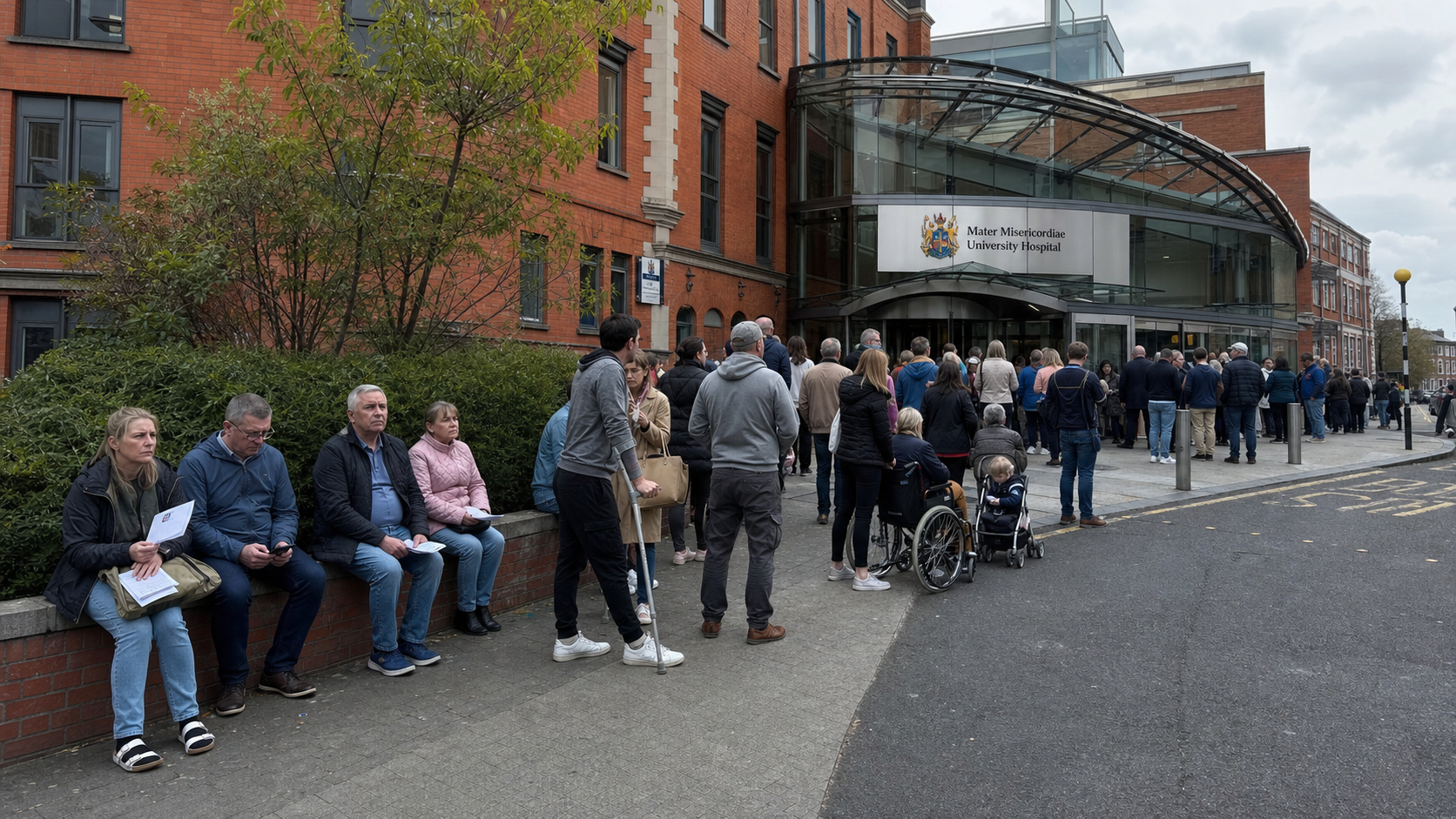
The waiting list figures provide the starkest measure of the consequences of these delays. The National Treatment Purchase Fund (NTPF) data showing 943,011 people on some form of hospital waiting list represents a profound challenge to the principle of accessible public healthcare. The figure includes patients waiting for an initial outpatient consultation, those waiting for inpatient or day-case treatment, and those awaiting key diagnostic procedures. Despite increased hospital activity, the numbers have remained stubbornly high, indicating that demand and system blockages are outstripping any gains in capacity.
Why It Matters
The waiting list crisis and the delays to the elective hospital programme matter because they represent a failure of the state to deliver on a fundamental promise to its citizens. The Sláintecare plan was developed with cross-party support and was presented as a generational commitment to transforming healthcare in Ireland. The delays to the elective hospital programme — the most visible and concrete element of that commitment — undermine confidence in the government's ability to deliver on its healthcare promises and leave hundreds of thousands of people in pain and uncertainty while they wait for treatment.
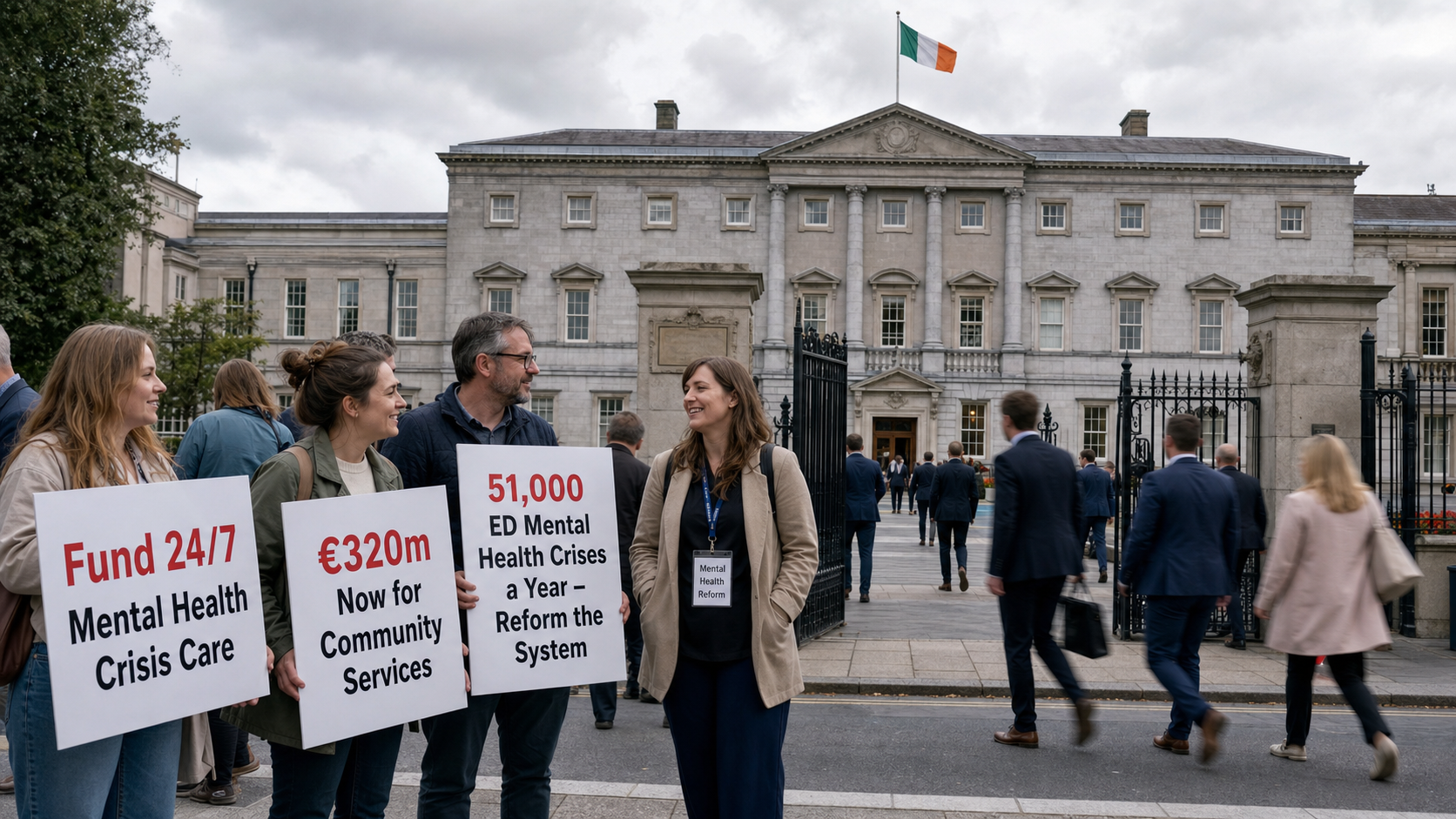
The scale of the waiting list — approaching one million people — is a figure that should shock. It means that in almost every family in Ireland, someone is waiting for a hospital appointment or procedure. The human cost of these waits is enormous: pain that is not treated, conditions that deteriorate, anxiety that accumulates, and lives that are put on hold. The government's Waiting Time Action Plan for 2026 has focused primarily on hospital backlogs, but the growing crisis in community services — where some patients are waiting up to 13.5 years for appointments — suggests that the problem extends far beyond the acute hospital system.
Local Impact
The waiting list crisis is felt differently in different parts of the country. In Dublin, the concentration of specialist services means that waiting times for some procedures are shorter than in other regions, but the sheer volume of demand in the capital creates its own pressures. In Cork, the delays to the elective hospital project have been a source of particular frustration, given the city's status as the second-largest urban centre in the country and the significant unmet demand for elective procedures in the Munster region. In Galway, the potential downgrading of the elective hospital project has been met with anger from local politicians and healthcare advocates, who argue that the west of Ireland has been consistently underserved by the national health system. The HSE's regional health areas, which were established as part of the Sláintecare implementation, are expected to play a key role in managing waiting lists at a regional level, but their effectiveness will depend on the resources available to them.
What's Next
The Department of Health is expected to publish an updated timeline for the elective hospital programme before the end of the year, following a review of the planning and procurement processes for each of the three sites. The HSE's Waiting Time Action Plan for 2026 will be reviewed in September, with an assessment of progress against the targets set at the beginning of the year. The Oireachtas Joint Committee on Health has announced a series of hearings on the waiting list crisis, with the first session scheduled for September. The NTPF will publish updated waiting list figures in August, providing the next benchmark against which progress can be measured.