Mental Health Reform Calls for €320 Million Investment and 24/7 Crisis Services as 51,000 Annual ED Presentations Exposed
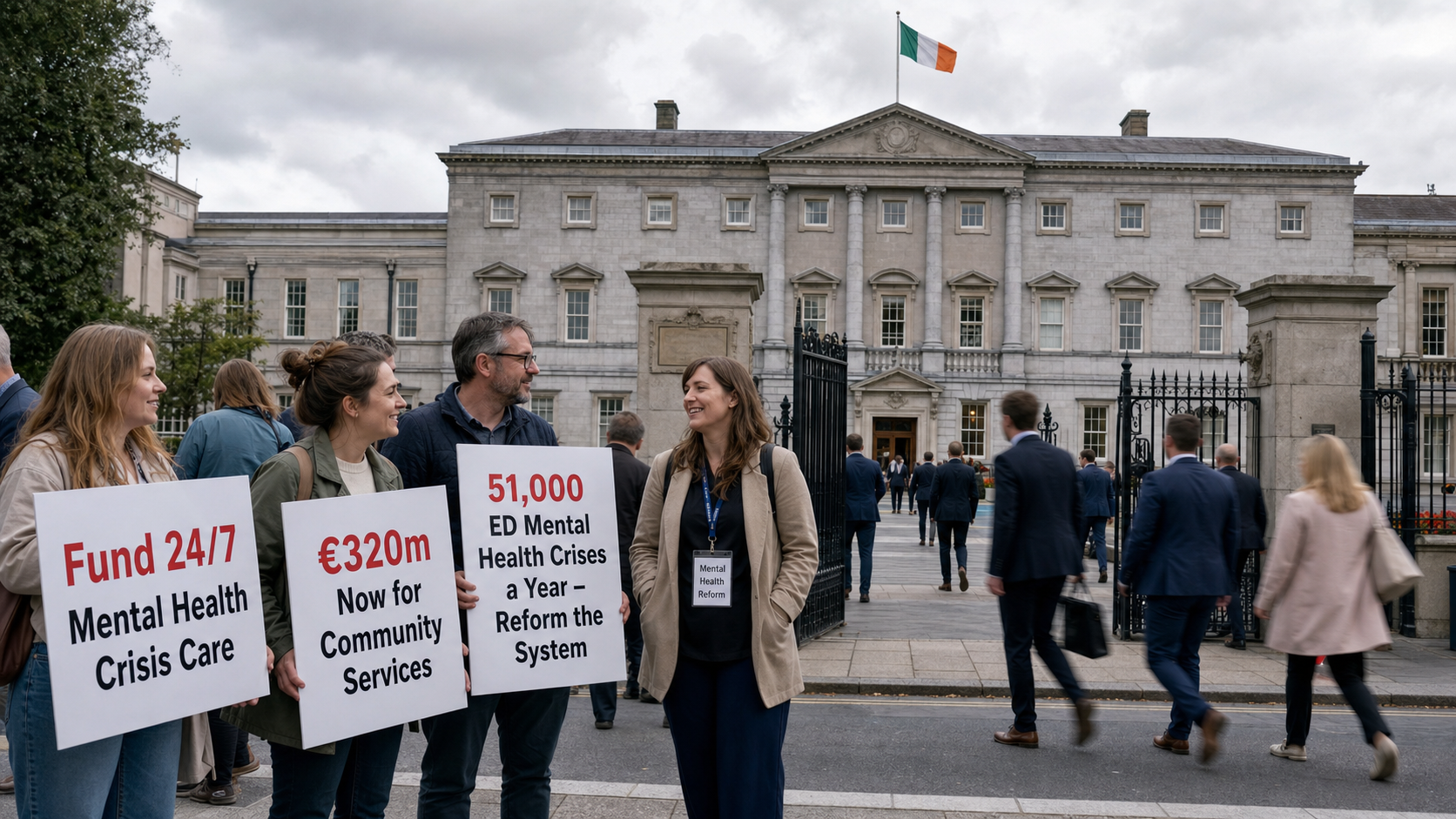
Mental Health Reform has presented stark evidence to the Oireachtas health committee showing that approximately 51,000 presentations to emergency departments related to mental health crises occur annually in Ireland — arguing that emergency departments are "the default, yet often inappropriate, setting" for people in acute psychological distress, and calling for a €320 million investment in mental health services in Budget 2027 to fund a fundamental shift towards 24/7 community-based crisis care.
Background
Mental health services in Ireland have been chronically underfunded for decades, a situation that has been repeatedly highlighted by advocacy organisations, parliamentary committees, and successive Mental Health Commissioners. The proportion of the health budget allocated to mental health has consistently fallen short of the 10% recommended by the World Health Organisation, and the gap between the services that are needed and those that are available has widened as demand has grown.
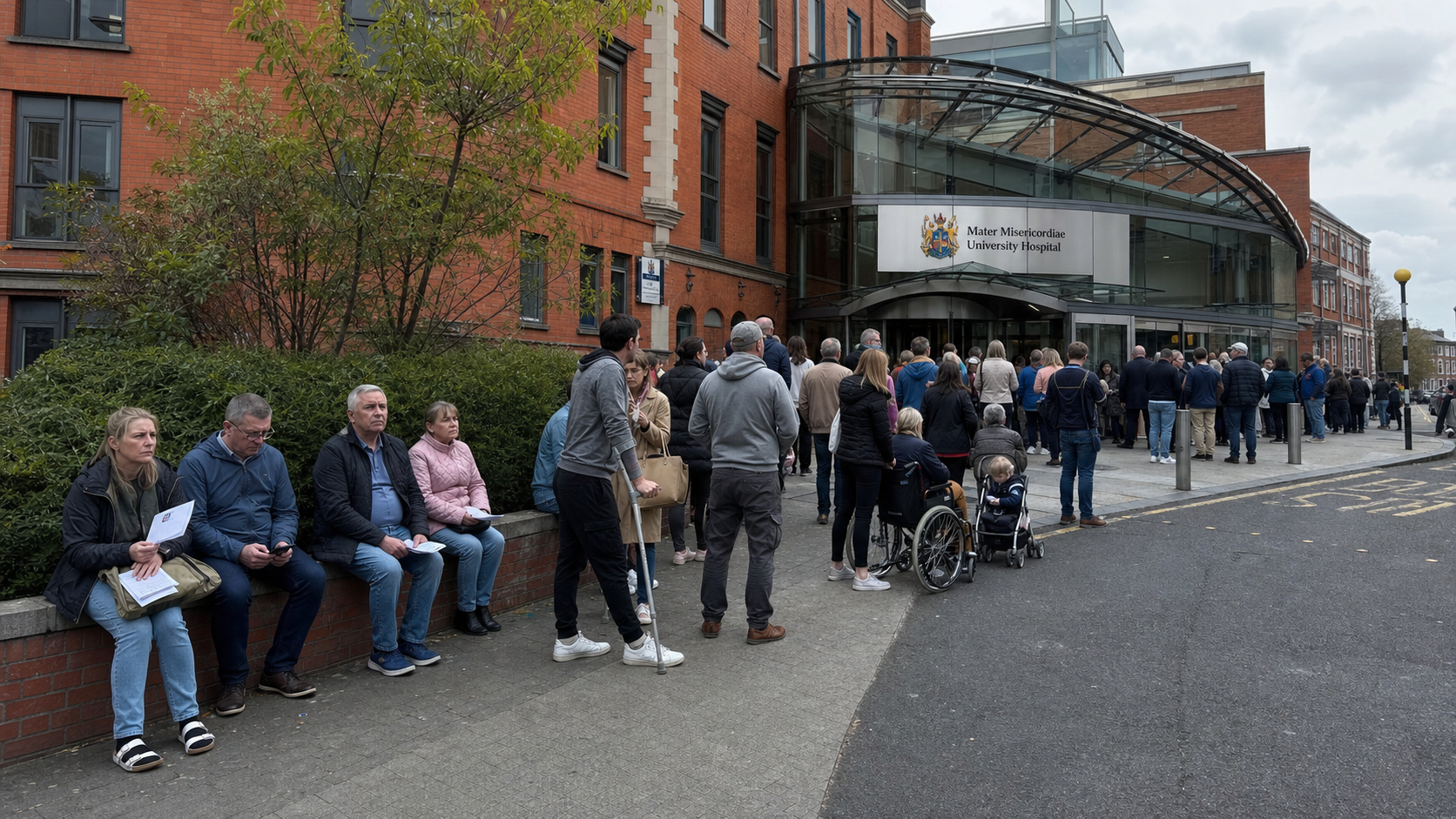
The emergency department has become the de facto crisis service for people experiencing acute mental health difficulties in Ireland, not because it is the most appropriate setting but because it is the most accessible. When someone is in crisis at 2am on a Sunday morning, the emergency department is often the only place they can go. This is a failure of the system, not a reflection of clinical best practice. Emergency departments are designed to treat physical trauma and acute medical conditions; they are not equipped, staffed, or designed to provide the kind of therapeutic environment that someone in a mental health crisis needs.
The consequences of this misalignment are felt by everyone involved. People in mental health crisis experience long waits in busy, noisy, and often distressing environments, surrounded by people with very different needs. Emergency department staff, who are trained in physical medicine, are required to manage complex mental health presentations without the specialist support they need. And the system as a whole becomes more congested and less effective, as mental health presentations take up time and resources that could be directed at other urgent needs.
Key Developments
Mental Health Reform's presentation to the Oireachtas health committee on 7 July provided a detailed and evidence-based case for fundamental reform of how mental health crises are managed in Ireland. The figure of 51,000 annual ED presentations related to mental health is striking in its scale — it represents an average of nearly 140 presentations per day, every day of the year. Each of these presentations represents a person in acute distress, and the evidence suggests that many of them could be managed more effectively and more humanely in a community-based setting if the appropriate services were available.
The organisation's pre-budget submission for 2027 calls for a €320 million investment in mental health services, with a specific demand that the sector receive at least 7% of the total health budget. Currently, mental health receives approximately 5.5% of the health budget — a figure that has remained stubbornly below the recommended level despite repeated commitments from successive governments to increase it. The €320 million figure is not arbitrary; it is based on a detailed assessment of the cost of developing the 24/7 community-based crisis services that Mental Health Reform is advocating for, alongside investment in other areas including CAMHS, adult inpatient services, and community mental health teams.
The 24/7 community-based crisis service model that Mental Health Reform is proposing is based on international best practice. Countries including the Netherlands, Australia, and parts of the United Kingdom have developed crisis resolution and home treatment teams that can provide intensive, community-based support to people in acute mental health crisis, reducing the need for hospital admission and providing care in a more appropriate and therapeutic environment. The evidence from these countries suggests that such services can significantly reduce ED presentations and hospital admissions while improving outcomes for patients.
Why It Matters
The mental health crisis in Ireland's emergency departments matters because it represents a systemic failure that is causing real harm to real people. The 51,000 annual presentations are not statistics — they are individuals, families, and communities experiencing some of the most difficult moments of their lives, and being failed by a system that is not designed to meet their needs. The case for investment in 24/7 community-based crisis services is not merely a matter of clinical preference; it is a matter of basic human dignity and the state's obligation to provide appropriate care to its citizens in their most vulnerable moments.
The budget ask of €320 million and 7% of the health budget is ambitious, but it is grounded in a realistic assessment of what is needed to transform mental health services in Ireland. The current level of investment — 5.5% of the health budget — is simply not sufficient to address the scale of the need, and the consequences of continued underinvestment are visible every day in the emergency departments of hospitals across the country. The Oireachtas health committee's engagement with Mental Health Reform's evidence is a positive sign that the political system is beginning to take the issue seriously, but engagement must be followed by action if the situation is to improve.
Local Impact
The mental health crisis in emergency departments is felt most acutely in the hospitals that serve the largest populations. In Dublin, the emergency departments at St. Vincent's University Hospital, Beaumont Hospital, and Tallaght University Hospital all report significant numbers of mental health presentations, with patients sometimes waiting for 24 hours or more for an appropriate placement. In Cork, the emergency department at Cork University Hospital faces similar pressures, as does University Hospital Galway in the west. The development of 24/7 community-based crisis services would require investment in facilities and staff across all regions, with a particular focus on areas that currently have the least developed community mental health infrastructure. The HSE's regional health areas are expected to play a key role in planning and delivering these services, but the resources to do so will depend on the outcome of Budget 2027.
What's Next
Budget 2027 will be presented to the Dáil in October 2026. Mental Health Reform has indicated it will continue to engage with the Oireachtas health committee and with the Department of Health in the lead-up to the budget, making the case for the €320 million investment and the 7% budget share. The committee is expected to publish a report on mental health services before the summer recess, which will include recommendations on the level of investment required. The HSE's National Mental Health Division is expected to publish a revised implementation plan for the national mental health strategy before the end of the year, setting out the specific actions and timelines for the development of new services.