High-Risk Tornado Outbreak Threatens Oklahoma, Kansas, and Nebraska as Schools Close Across the Plains
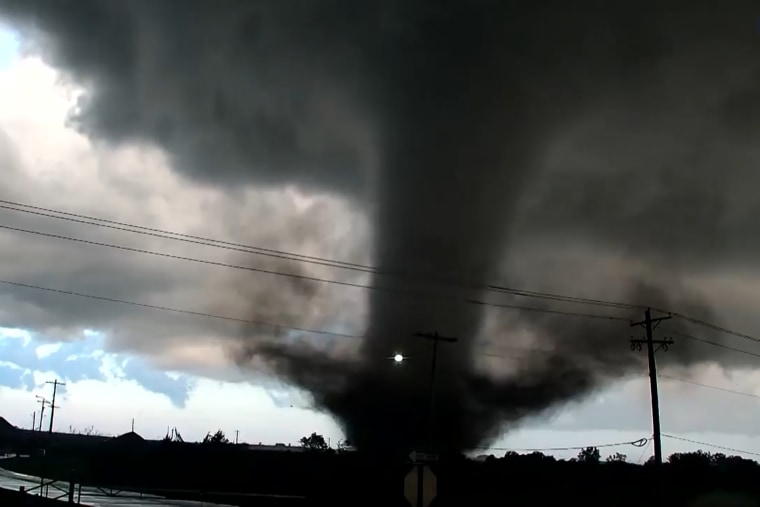
The Storm Prediction Center elevated its severe weather outlook to "high risk" for April 30 across a corridor stretching from central Oklahoma through southern Kansas into southwestern Nebraska — the highest threat category the agency issues, reserved for days when widespread, violent tornadoes are considered likely. School districts across the three-state region canceled classes or dismissed students early, and emergency management agencies activated their highest readiness levels ahead of what forecasters described as a potentially historic outbreak.
Background
The central and southern Plains occupy the heart of what meteorologists call Tornado Alley — a geographic corridor where cold, dry air from the Rockies collides with warm, moist air flowing north from the Gulf of Mexico, creating the atmospheric instability that spawns the world's most violent tornadoes. Oklahoma, Kansas, and Nebraska collectively experience more significant tornadoes per square mile than any other region on Earth. The spring months of April and May represent the peak of tornado season, when the jet stream positions itself to provide the wind shear that organizes supercell thunderstorms.
The April 30 setup was identified days in advance as potentially significant. A powerful upper-level trough moving east from the Rockies combined with a surface low-pressure system tracking northeast from Texas, drawing Gulf moisture northward and creating conditions that forecasters described as "textbook" for a major outbreak. The Storm Prediction Center's high-risk designation — issued for fewer than five days per year on average — signaled that the atmospheric ingredients were aligning for a day that could produce multiple long-track, violent tornadoes.
Key Developments
School districts across the affected region began announcing closures and early dismissals on April 29, with hundreds of districts in Oklahoma, Kansas, and Nebraska canceling classes for April 30. Oklahoma City Public Schools, Wichita Unified School District 259, and Lincoln Public Schools were among the largest districts to close, affecting hundreds of thousands of students. Emergency management officials in all three states activated their emergency operations centers and coordinated with the National Guard to pre-position resources.
The threat extended beyond the primary tornado corridor. Alabama, Mississippi, and Louisiana faced flash flooding from the same storm system's southern extent, with transportation delays and road closures reported across the Deep South. In Michigan and parts of the upper Midwest, high wind advisories warned of gusts reaching 50 miles per hour, creating hazardous conditions for high-profile vehicles on major highways.
A separate but related threat emerged in the Southwest, where an extreme critical fire weather warning covered eastern New Mexico and far West Texas. Wind gusts up to 60 miles per hour, relative humidity below 10 percent, and temperatures in the upper 80s created conditions that fire officials described as capable of producing explosive wildfire growth. The combination of tornado threat in the Plains and fire danger in the Southwest illustrated the breadth of the storm system's impact.
Why Americans Should Care
Tornado outbreaks of this magnitude carry life-threatening consequences for millions of Americans who live in the affected corridor. Oklahoma City, Tulsa, Wichita, and Lincoln are major metropolitan areas with combined populations exceeding 2 million people. Rural communities across western Oklahoma and southern Kansas — many of which lack the reinforced shelter infrastructure of larger cities — face particular vulnerability. The 2011 Joplin, Missouri tornado, which killed 161 people, demonstrated that even well-warned communities can suffer catastrophic losses when a violent tornado strikes a densely populated area.
The economic consequences extend beyond immediate property damage. Agricultural operations across the Plains — wheat fields in Kansas, cattle operations in Oklahoma, corn and soybean farms in Nebraska — face crop and livestock losses that ripple through supply chains affecting food prices nationwide. Federal disaster declarations, which typically follow major outbreaks, trigger FEMA assistance programs that draw on national resources and can take months to fully deploy.
Why It Matters
The April 30 outbreak arrives against a backdrop of intensifying debate about severe weather preparedness and climate patterns. The frequency of high-risk tornado days has increased measurably over the past two decades, with researchers documenting a shift in tornado activity eastward into the Mid-South — states like Tennessee, Mississippi, and Alabama that historically had less robust warning infrastructure than the traditional Plains states. The 2024 and 2025 tornado seasons both produced above-average fatality counts, driven in part by tornadoes striking areas with lower public awareness of shelter protocols.
The National Weather Service's warning lead times have improved dramatically since the 1990s, with average tornado warnings now issued 13 minutes before impact compared to fewer than 5 minutes three decades ago. But warning technology can only do so much when communities lack adequate shelter. Mobile homes, which house a disproportionate share of lower-income rural residents across the Plains, offer virtually no protection against significant tornadoes — a structural vulnerability that federal housing policy has been slow to address.
What's Next
Storm chasers and meteorologists will document the outbreak's full extent as it unfolds through the afternoon and evening of April 30. Preliminary damage surveys by National Weather Service teams will begin on May 1, with tornado ratings assigned based on damage indicators. States with significant damage will submit federal disaster declaration requests to FEMA, a process that typically takes several days. Congressional delegations from Oklahoma, Kansas, and Nebraska will push for expedited federal assistance if the outbreak proves as severe as forecast.
Sources: NOAA Storm Prediction Center; USA Today; School Closings