Health Workers Set for September 30 Strike as Fórsa, SIPTU and INMO Unite in Biggest HSE Industrial Action in Years
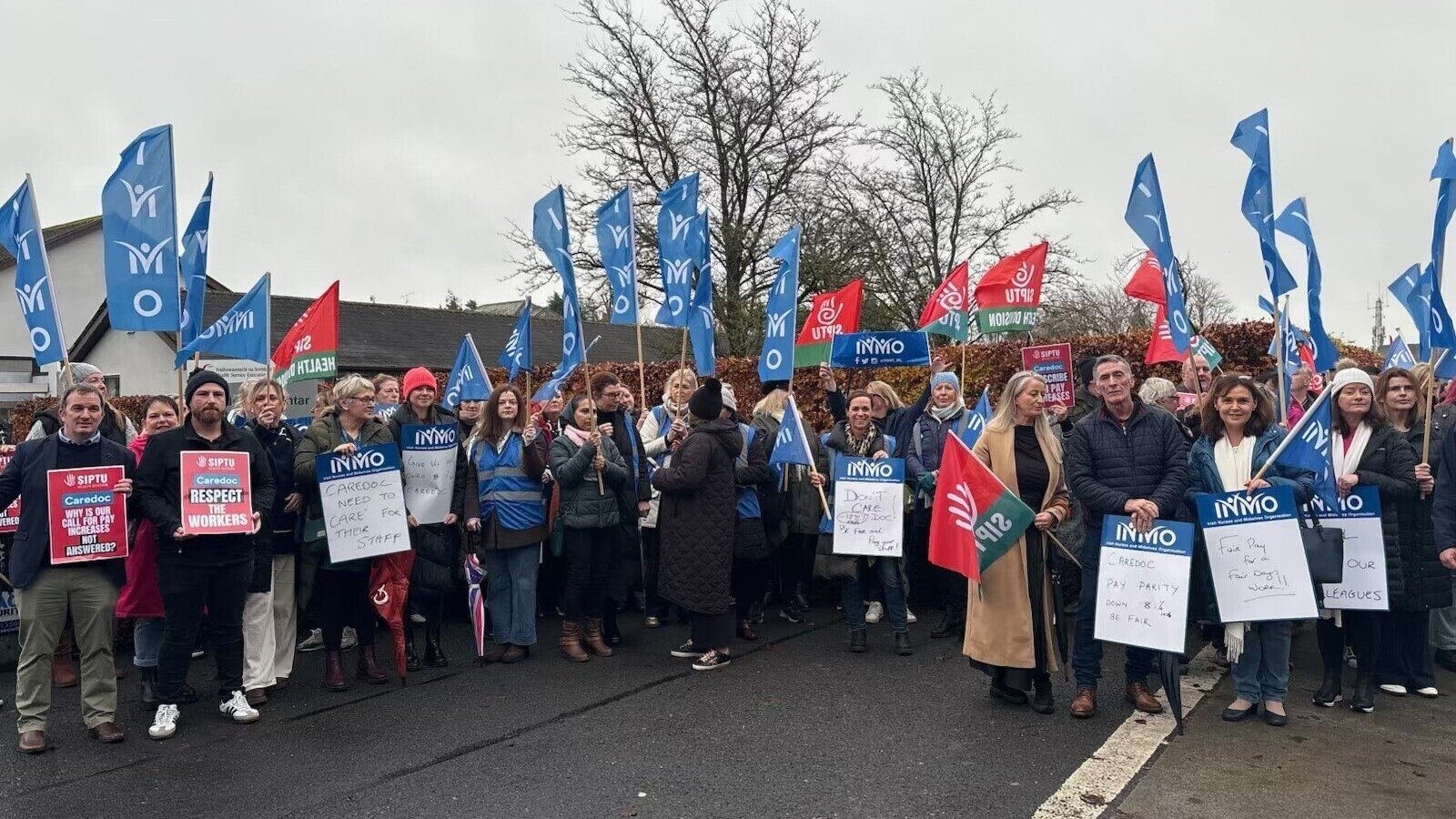
Three of Ireland's largest health sector unions — Fórsa, SIPTU, and the Irish Nurses and Midwives Organisation — have confirmed a one-day strike for September 30, 2026, in what will be the most significant coordinated industrial action in the Health Service Executive in years, as the failure to agree a new public sector pay deal following the expiry of the Building Momentum agreement on June 30 pushes the health service toward a confrontation that threatens to disrupt hospital services, community care, and emergency departments across the country.
Background
The Building Momentum public sector pay agreement, which governed pay increases for health workers and other public servants from 2021 to June 2026, expired at the end of June without a successor agreement in place. The Irish Congress of Trade Unions has been in negotiations with the government about a new pay framework, but those talks have stalled over the scale of the increases being offered and the government's insistence on linking pay rises to productivity measures that the unions regard as unacceptable.
The INMO, which represents nurses and midwives, voted 99% in favour of industrial action in August, with General Secretary Phil Ní Sheaghdha citing extremely low morale, understaffing, and overcrowding as the primary drivers of member frustration. The vote reflected a level of anger within the nursing profession that goes beyond the immediate pay dispute: nurses and midwives have been dealing with chronic understaffing, excessive overtime, and working conditions that many describe as unsafe for both staff and patients.
Fórsa, Ireland's largest public sector union, announced a work-to-rule beginning September 30, with its health sector members refusing to work overtime or cover colleagues' duties. SIPTU, which represents a wide range of health workers including porters, catering staff, and healthcare assistants, has also confirmed its participation in the September 30 action. The coordination between the three unions represents a significant escalation of the dispute and signals that the health sector is approaching a crisis point.
Key Developments
The September 30 strike will affect hospitals, community health centres, and other HSE facilities across the country. The unions have indicated that emergency services will be maintained, but elective procedures, outpatient appointments, and non-urgent community care are likely to be significantly disrupted. The HSE has been developing contingency plans to manage the impact of the action, but the scale of the coordinated strike — involving three major unions simultaneously — makes it difficult to fully mitigate the disruption.
The industrial action comes at a particularly difficult moment for the HSE, which is already dealing with a €577 million deficit that has prompted the government to strip four of its six regions of day-to-day spending powers. The financial pressure has led to a slowdown in recruitment, which in turn has exacerbated the staffing shortages that are driving union frustration. The government is caught in a difficult position: it cannot afford to offer the pay increases that the unions are seeking without either cutting services or increasing borrowing, but it also cannot afford the disruption and reputational damage of a prolonged industrial dispute in the health service.
The Irish Congress of Trade Unions has indicated that further strike action may be planned if the government does not address the unions' grievances following the September 30 action. The prospect of a series of rolling strikes in the health service — potentially extending into the winter months when demand for health services is at its highest — is a significant concern for both the government and the HSE.
Why It Matters
The health worker strike matters because it reflects a genuine crisis in the sustainability of the Irish health service. The HSE has been struggling with chronic underfunding, staffing shortages, and a growing demand for services driven by an ageing population and the aftermath of the pandemic. The pay dispute is a symptom of these deeper problems: health workers who feel undervalued, overworked, and unsupported are more likely to leave the profession or emigrate, exacerbating the staffing shortages that are already causing harm to patients.
The coordinated action by three major unions also signals a level of solidarity within the health sector that the government cannot ignore. The INMO's 99% vote in favour of action is an extraordinary expression of member frustration, and the involvement of Fórsa and SIPTU means that the strike will affect virtually every category of health worker, from nurses and midwives to porters and catering staff. The breadth of the action makes it impossible to dismiss as the grievance of a single group.
Local Impact
The September 30 strike will affect hospitals across all four HSE regions, with the most significant disruption likely in the major acute hospitals — St James's, the Mater, Beaumont, and Cork University Hospital — where the combination of high patient volumes and complex care needs makes any reduction in staffing particularly consequential. Community health centres, which provide primary care services to hundreds of thousands of patients, will also be affected, with the work-to-rule by Fórsa members likely to reduce the availability of non-urgent appointments and administrative services. Patients with scheduled procedures or outpatient appointments on September 30 are advised to contact their hospital or clinic to confirm whether their appointment will proceed.
What's Next
The government and the unions are expected to engage in further negotiations in the days before September 30, with the Workplace Relations Commission likely to be involved as a mediator. If a resolution is not reached before the strike date, the action will proceed as planned, with the unions assessing the government's response before deciding on further action. The Budget 2027 announcement on October 6 will be closely watched for any signals about the government's willingness to address the pay dispute through the budget process.