Tax Rises Needed to Deliver Ireland's Infrastructure Ambitions, Independent Advisers Tell Government
Independent economic advisers have issued a blunt assessment to the Irish government: the ambitious infrastructure targets set out in the National Development Plan cannot be delivered without tax increases, a conclusion that challenges the government's fiscal narrative and sets the stage for a difficult political conversation ahead of the October budget.
Background
Ireland's National Development Plan (NDP) sets out an ambitious programme of public capital investment across housing, transport, water, energy, and digital infrastructure. The plan, which runs to 2030, commits to spending of more than €165 billion over its lifetime — a figure that represents one of the most ambitious public investment programmes in the state's history.
The rationale for this level of investment is clear. Ireland's infrastructure has struggled to keep pace with the rapid economic growth of the past two decades, leaving the country with significant deficits in housing supply, public transport capacity, water and wastewater treatment, and broadband connectivity. These deficits have become increasingly visible in the form of housing unaffordability, traffic congestion, water quality issues, and the digital divide between urban and rural areas.
The government has argued that Ireland's strong corporation tax revenues — boosted by the presence of major multinational companies — provide a sustainable funding base for the NDP. However, this argument has been challenged by economists and fiscal watchdogs who have warned that corporation tax revenues are volatile and concentrated among a small number of large companies, making them an unreliable foundation for long-term capital investment commitments.
Key Developments
The warning from independent economic advisers, reported on 24 June 2026, represents a significant intervention in the debate about Ireland's fiscal strategy. The advisers concluded that current revenue streams are insufficient to meet the capital requirements of the NDP while also maintaining current levels of public services and meeting the government's commitments on healthcare, education, and social welfare.
The assessment points to a structural gap between the government's spending commitments and its revenue base that cannot be closed through efficiency savings or economic growth alone. The advisers have identified several potential sources of additional revenue, including increases in income tax, capital gains tax, and property-related taxes, as well as the introduction of new levies on carbon-intensive activities and digital services.
The timing of the warning — coming ahead of the October budget — is significant. The government will need to make decisions about its fiscal strategy in the coming months, and the advisers' assessment provides political cover for difficult choices that might otherwise be politically costly to make.
Why It Matters
The question of how to fund Ireland's infrastructure needs is not merely a technical fiscal matter — it goes to the heart of what kind of country Ireland wants to be and who should bear the cost of building it. The current generation of Irish people is being asked to fund infrastructure that will benefit future generations, while also dealing with the consequences of underinvestment by previous generations.
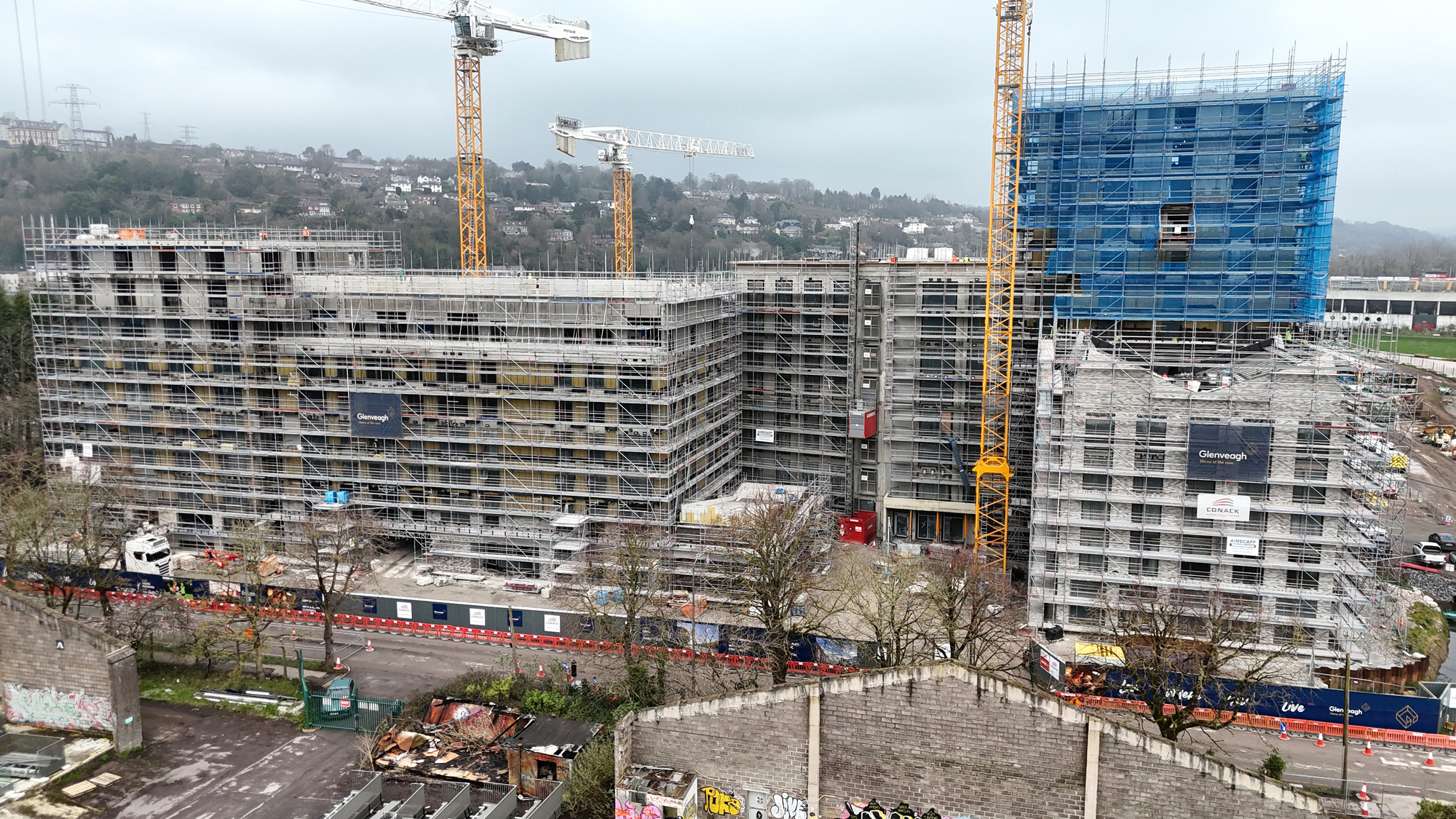
The housing crisis is the most visible manifestation of this infrastructure deficit. Ireland needs to build approximately 50,000 new homes per year to meet demand, but has consistently fallen short of this target. The barriers to delivery are multiple, but inadequate infrastructure — particularly water and wastewater capacity, transport connections, and energy grid capacity — is a significant constraint. Addressing these barriers requires capital investment that, according to the advisers, cannot be funded from existing revenue streams.
The political challenge is considerable. Tax increases are rarely popular, and the government will need to make a compelling case that the investment they enable is worth the cost. The advisers' assessment provides an important piece of that argument — a credible, independent assessment that the alternative to tax increases is not the status quo but a significant scaling back of Ireland's infrastructure ambitions.
Local Impact
The implications of the advisers' warning are felt differently across Ireland. In Dublin, where infrastructure deficits are most acute — in the form of housing unaffordability, public transport overcrowding, and water supply constraints — the case for additional investment is most immediately visible. In rural areas, the digital divide and the inadequacy of road and public transport infrastructure represent different but equally pressing needs.
For businesses, the infrastructure deficit has real economic consequences. Companies considering investment in Ireland — whether in manufacturing, technology, or services — factor infrastructure quality into their location decisions. A failure to address Ireland's infrastructure gaps risks undermining the country's competitiveness as a destination for foreign direct investment, with consequences for employment and economic growth across all regions.
What's Next
The government is expected to respond to the advisers' assessment in the coming weeks, with a formal statement on fiscal strategy anticipated ahead of the summer recess. The October budget will be the key moment at which the government's response to the infrastructure funding challenge becomes concrete. Opposition parties have already indicated they will scrutinise any proposed tax increases carefully, and the debate is likely to dominate the political agenda through the autumn. The advisers have recommended that any tax increases be phased in gradually to minimise the impact on households and businesses.