Galway International Arts Festival Reaches Climax with Sophie Ellis-Bextor Headline Show
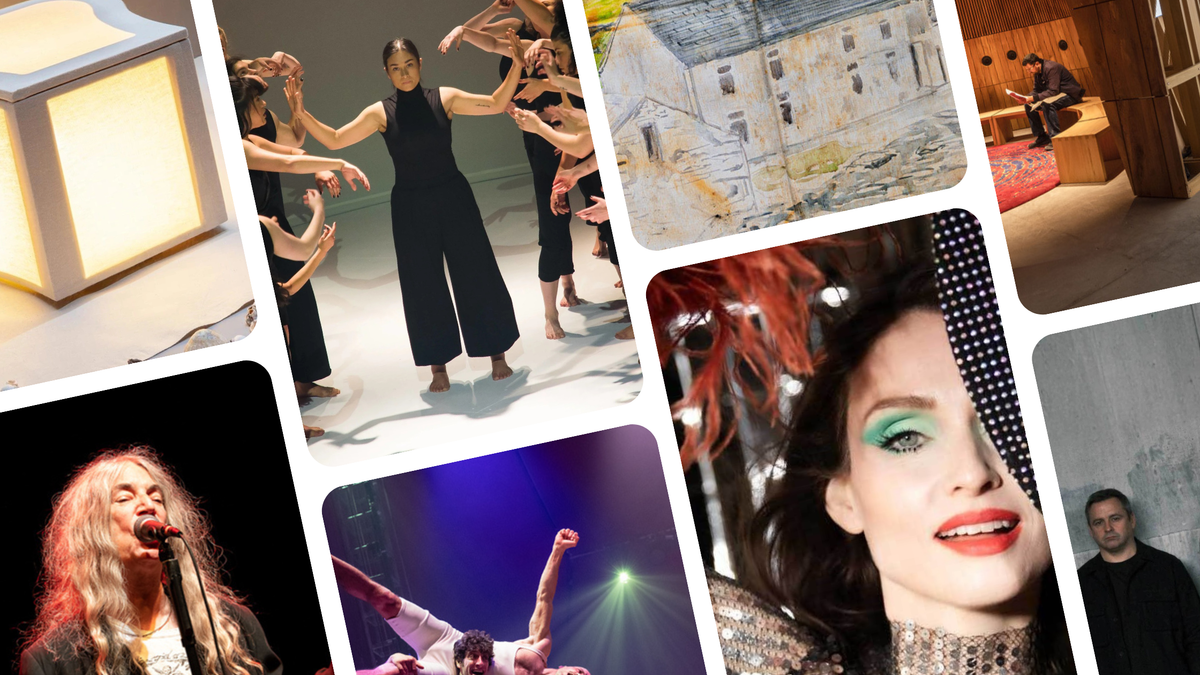
The Galway International Arts Festival is reaching its climax this week with a headline performance by Sophie Ellis-Bextor, joined by special guest Kate Nash, as the festival draws to a close after a month of multidisciplinary programming that has transformed the city into one of Europe's most vibrant cultural destinations. The 2026 edition has drawn critical acclaim for its ambitious scope, featuring theatre productions, large-scale visual arts installations, and major musical acts including Patti Smith, while maintaining the distinctive character that has made GIAF one of the most respected arts festivals on the continent.
Background
The Galway International Arts Festival has been a fixture in the Irish cultural calendar since 1978, growing from a modest local event into a festival of genuine international standing that attracts artists, performers, and audiences from across the world. The festival's distinctive character — its willingness to commission ambitious new work, its commitment to presenting international artists alongside Irish talent, and its deep integration with the city of Galway itself — has made it a model for arts festivals across Europe.
The 2026 edition has been particularly ambitious, reflecting both the festival's confidence in its own identity and the growing appetite for live cultural events following the disruptions of the pandemic years. The programme has ranged from intimate theatre productions in the festival's own venues to large-scale outdoor spectacles that have used the city's streets, squares, and waterways as their stage. The result has been a festival that has felt genuinely transformative — not just for the audiences who have attended individual events, but for the city as a whole.
Galway's status as a cultural destination has been reinforced by the festival's success, and the economic impact of GIAF on the city and the wider Connacht region is substantial. Hotels, restaurants, and transport services have all benefited from the influx of visitors, and the festival's reputation for quality has made it a draw for cultural tourists from across Ireland, Britain, and continental Europe.
Key Developments
The headline music programme has been one of the highlights of the 2026 festival. Sophie Ellis-Bextor's performance on Wednesday, July 22, with special guest Kate Nash, is the culmination of a music strand that has included a performance by Patti Smith earlier in the month — a booking that generated considerable excitement and demonstrated the festival's ability to attract artists of genuine international stature.
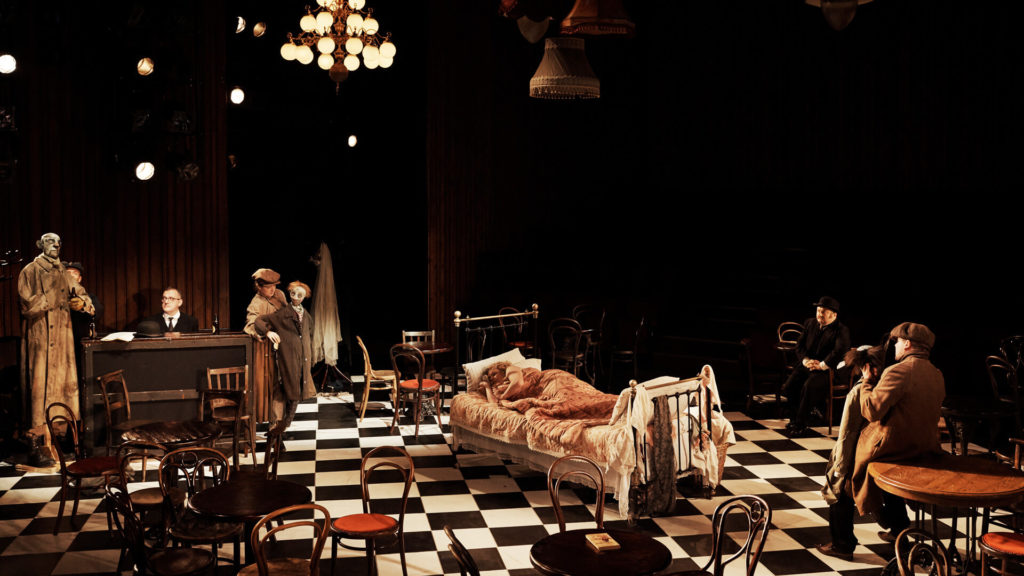
The theatre programme has been equally impressive. Brú Theatre's production of Pádraicín, which explores themes of identity and belonging through the lens of Irish-language culture, has been one of the most talked-about shows of the festival, drawing audiences from across the country and generating significant critical attention. Eva O'Connor's new play, which has been praised for its portrayal of female friendship and its sharp, contemporary dialogue, has also been a standout.
The visual arts programme has included several large-scale installations that have used the city's public spaces in innovative ways, creating moments of unexpected beauty and provocation in the streets and squares of Galway. The festival's commitment to commissioning new work — rather than simply presenting existing productions — has been a defining feature of the 2026 edition and has given it a freshness and energy that distinguishes it from festivals that rely primarily on touring productions.
Why It Matters
The Galway International Arts Festival matters because it demonstrates what a well-resourced, well-curated arts festival can do for a city and a region. Galway is not a large city — its population of around 80,000 makes it modest by European standards — but during the festival it becomes a cultural capital, attracting audiences and artists who would not otherwise visit and generating a concentration of creative energy that is genuinely exceptional. The festival's success is a reminder that arts investment is not a luxury but an economic and social necessity, and that the returns on that investment — in tourism, in civic pride, in the quality of life of the communities that host it — are substantial.
The 2026 edition has also been notable for its engagement with Irish-language culture, reflecting the growing confidence of the Irish language in Galway and the wider Connacht region. Productions in Irish, bilingual programming, and the presence of Irish-language artists alongside their English-language counterparts have given the festival a distinctively Galwegian character that sets it apart from festivals in other cities.
Local Impact
For Galway city and County Galway, the festival's economic impact is significant. Hotels in the city centre and the surrounding area have been at full capacity throughout the festival period, and restaurants, bars, and cultural venues have all reported strong trading. The festival has also generated significant employment, both directly through its own operations and indirectly through the hospitality and service sectors that support it. Irish Rail's Galway-Dublin service has seen increased demand during the festival period, and Bus Éireann has operated additional services to accommodate festival-goers travelling from other parts of the country.
What's Next
The Galway International Arts Festival concludes this week. The festival's board will conduct a post-event review in August, with planning for the 2027 edition expected to begin in September. The festival's artistic director will present the 2027 programme at a launch event in early 2027. Applications for the festival's artist residency programme, which supports the development of new Irish work, will open in the autumn.