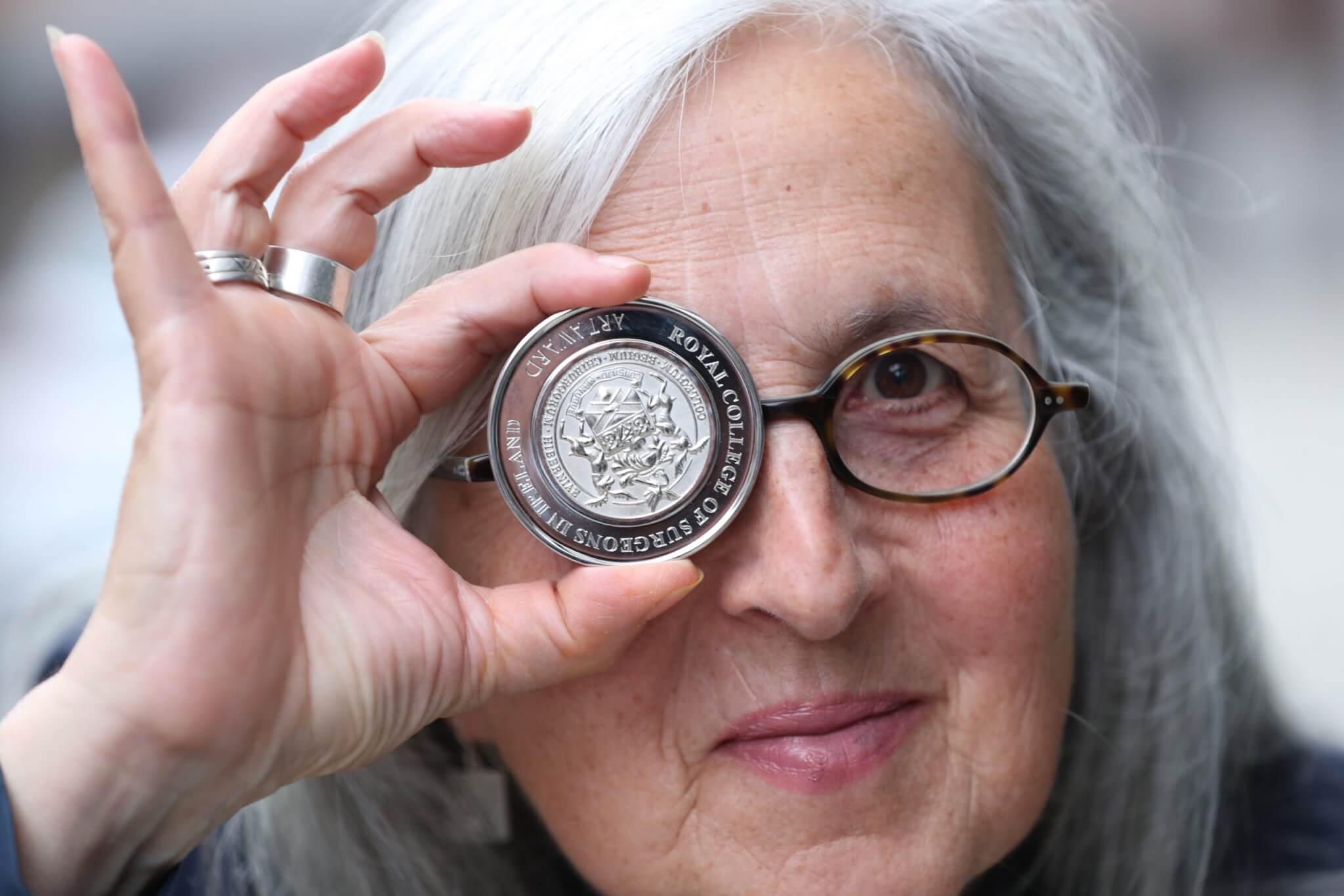
Elaine Byrne Wins RCSI Art Award as Irish Visual Arts Celebrates Summer of Achievement
Dublin artist Elaine Byrne has won the Royal College of Surgeons in Ireland Art Award for her research-based practice exploring the parallels between clinicians and artists, in a recognition that has drawn attention to one of the most distinctive voices in contemporary Irish visual art. The award is among a series of summer achievements for the Irish visual arts sector, which has also seen the Liberties Festival in Dublin and the Clonmel Junction Arts Festival in Tipperary draw strong audiences to community-based cultural programming that reflects the breadth of artistic activity across the island.
Background
The RCSI Art Award, which recognises excellence in visual art with a connection to medicine, science, or healthcare, has become one of the more distinctive prizes in the Irish arts calendar. Its focus on the intersection of art and medicine reflects the RCSI's commitment to the humanities as an essential component of medical education, and it has consistently attracted entries from artists working across a wide range of media and approaches.
Elaine Byrne's practice sits at the intersection of art and science in a particularly thoughtful way. Her work explores the parallels between the processes of clinical observation and artistic creation — the careful attention to detail, the tolerance of ambiguity, the willingness to revise initial interpretations in the light of new evidence — and it does so through a combination of visual art, text, and performance that resists easy categorisation. Her research-based approach, which involves extended engagement with clinical environments and practitioners, gives her work a depth and specificity that distinguishes it from more superficial explorations of the art-medicine relationship.
The award comes at a moment when Irish visual art is enjoying a period of considerable vitality. The success of Irish artists at international exhibitions, the growing reputation of Irish galleries and art fairs, and the increasing visibility of Irish visual art in the international market have all contributed to a sense of confidence and ambition within the sector that was not always present in previous decades.
Key Developments
Byrne's award was announced at a ceremony at the RCSI's Dublin campus, where her work was presented alongside a selection of other shortlisted artists. The judges praised the rigour and originality of her research-based practice, noting that her work opened up new ways of thinking about the relationship between clinical and artistic knowledge that had implications for both fields.
The summer has also seen strong performances from community arts festivals across the country. The Liberties Festival in Dublin, which ran from July 20 to 26, celebrated the history, heritage, and multicultural character of one of the city's oldest neighbourhoods through a programme of music, theatre, visual art, and community events. The festival, which is rooted in the Liberties area of Dublin 8, has become an important platform for local artists and community groups, and its 2026 edition drew some of the strongest audiences in its history.
The Clonmel Junction Arts Festival in Tipperary, which has been running for more than two decades, has similarly established itself as one of the most respected community arts festivals outside the major cities. Its 2026 programme, which included theatre, music, visual art, and film, drew audiences from across Munster and demonstrated the appetite for high-quality arts programming in regional Ireland.
Why It Matters
The RCSI Art Award matters because it represents a model of arts patronage that goes beyond the conventional gallery-and-collector circuit. By commissioning and recognising work that engages with medicine and healthcare, the RCSI is investing in art that has the potential to change how clinicians think about their practice and how patients experience the healthcare environment. That is a form of arts investment with direct social value, and it deserves to be recognised as such.
The success of community arts festivals in Dublin and Tipperary is equally significant. The arts are not confined to the major cities or the established cultural institutions — they are present in every community, and the festivals that celebrate and support local artistic activity are as important to the health of Irish culture as the Abbey Theatre or the National Gallery. The government's investment in community arts through the Arts Council and local authority arts offices has been a critical enabler of this activity, and the summer of 2026 has demonstrated the returns on that investment.
Local Impact
For the Liberties area of Dublin 8, the festival has been a significant boost to community morale and local economic activity. The neighbourhood, which has undergone considerable change in recent years as development pressure has transformed its character, has used the festival as an opportunity to assert its identity and celebrate its history. Local businesses along Thomas Street, Meath Street, and the surrounding area have reported strong trading during the festival period. In Clonmel, the Junction Arts Festival has similarly generated economic activity and community pride in a town that has faced significant economic challenges in recent years.
What's Next
Elaine Byrne's award-winning work will be exhibited at the RCSI's Dublin campus through the end of August. The Liberties Festival concluded on July 26. The Clonmel Junction Arts Festival runs through the end of July. The Arts Council will publish its annual report on arts participation and investment in September, which will provide a comprehensive picture of the state of the Irish arts sector in 2026.