GAA to Trial Four-Point Goals and Handpass Limit in Gaelic Football as Expert Group Pushes for Radical Reform
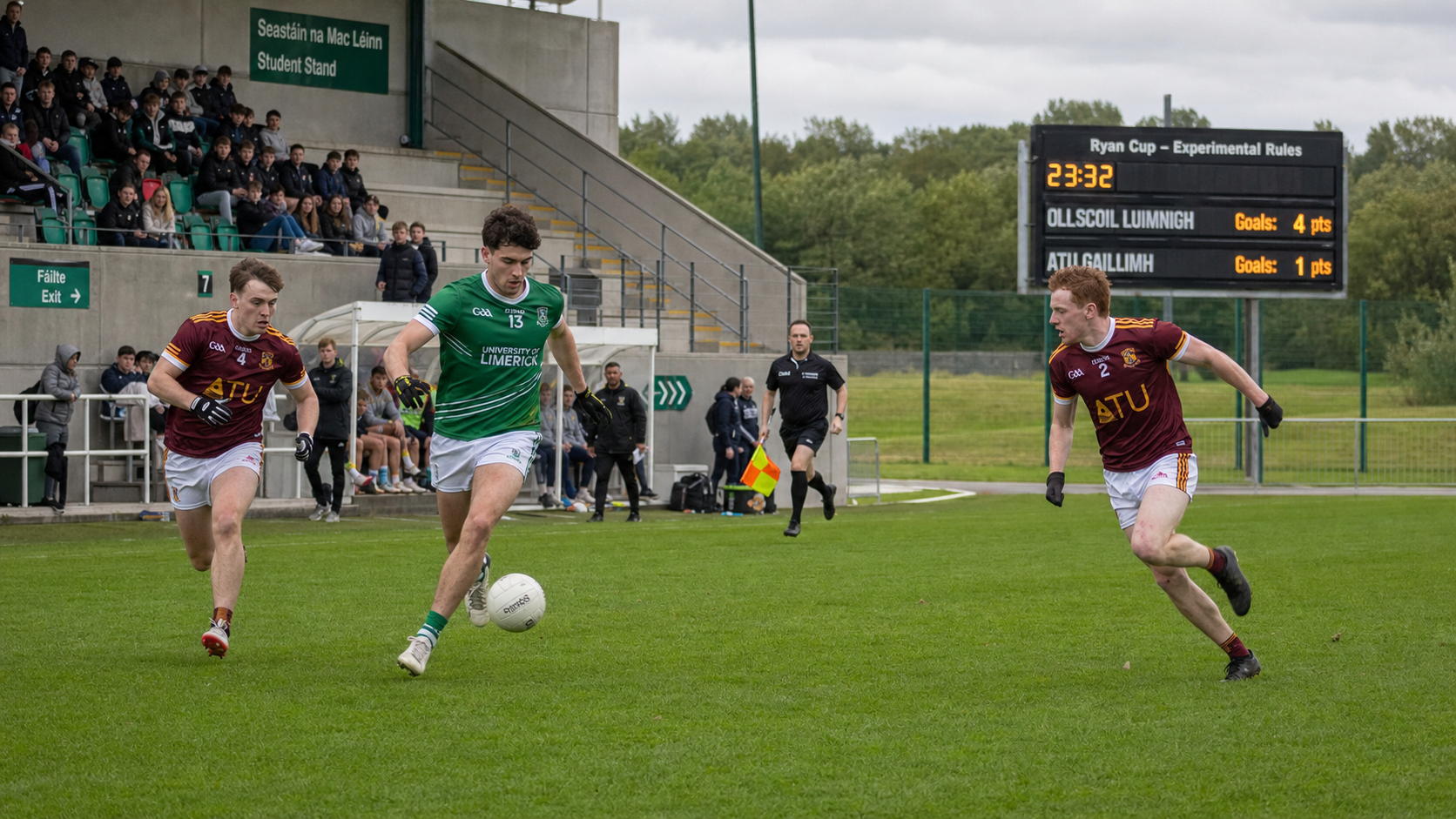
The GAA's Gaelic Football Expert Advisory Group, chaired by Kevin McStay, has announced a new series of experimental rule trials to be tested in the third-level Division 1 Ryan Cup competition beginning on October 14th, including a four-point goal, a limit of three consecutive handpasses, a backcourt rule, and restrictions on fisted points, as the association continues its ambitious effort to reshape the game for a new generation of players and supporters.
Background
Gaelic football has been engaged in a sustained and sometimes contentious process of rule reform for several years, driven by widespread concern that the game has become too defensive, too reliant on short handpassing sequences, and insufficiently rewarding of the attacking skills that have historically defined it at its best. The Football Review Committee, which reported in 2025, proposed a series of changes designed to encourage more kick-passing, reduce the dominance of defensive systems, and restore the goal as the game's most prized scoring opportunity.
The introduction of two-point scores from outside the 40-metre arc — one of the most significant rule changes in the game's history — was implemented for the 2026 season and has generated mixed reviews. Supporters of the change argue that it has opened up the game and created new tactical possibilities; critics contend that it has introduced an element of randomness and has not fundamentally addressed the defensive patterns that have made some inter-county matches difficult to watch. The new trials announced by the Expert Advisory Group represent the next phase of this reform process, building on the data collected from the 2026 season.
Kevin McStay, who chairs the Expert Advisory Group, is one of the most respected figures in Gaelic football, having managed Roscommon and served as a television analyst and commentator. His appointment to lead the group was widely welcomed as a signal that the GAA was serious about evidence-based reform rather than reactive tinkering, and the trials announced this week reflect a systematic approach to testing specific interventions before committing to their wider adoption.
Key Developments
The Ryan Cup trials, which begin on October 14th, will test five key rule adjustments. The handpass limit — restricting teams to a maximum of three consecutive handpasses before the ball must be kicked — is designed to curb the reliance on short, repetitive passing sequences that have become a defining feature of modern inter-county football. The four-point goal, which increases the value of a goal from three points to four, is intended to maintain the goal's status as the game's most valuable scoring opportunity in the context of the two-point score that was introduced in 2026.
The backcourt rule, modelled on a similar provision in basketball, prohibits teams from deliberately playing the ball back into their own half once they have crossed the halfway line, with the aim of discouraging the retreating defensive patterns that have frustrated supporters. The restriction on fisted points — generally prohibiting players from scoring points by fisting or open-handpassing the ball over the bar while in possession, though allowing "in-flight" scores — addresses a specific tactical development that has been used to circumvent the spirit of the existing rules.
Additional changes being trialled include the removal of the requirement for kick-outs to travel beyond the 40-metre arc, an increase in the number of permitted substitutes from five to six, and the use of a hooter to signal the end of play. The trials will be closely monitored by the Expert Advisory Group, and the results will inform decisions about whether any of the modifications should be adopted for pre-season competitions and, ultimately, for the inter-county championship.
Why It Matters
The GAA's willingness to trial radical rule changes reflects a recognition that the game faces a genuine challenge in maintaining its appeal to younger generations of players and supporters who have access to a wider range of sporting entertainment than any previous generation. The defensive patterns that have come to dominate inter-county football — with teams retreating into deep defensive structures and recycling possession through handpassing sequences — have been widely criticised as antithetical to the game's traditions and unattractive to casual supporters.
The trials also reflect a broader shift in the GAA's approach to governance, with the Expert Advisory Group representing a more systematic and evidence-based approach to rule reform than the ad hoc changes that characterised earlier attempts to address the game's problems. The use of the Ryan Cup — a third-level competition that provides a meaningful but lower-stakes environment for testing new rules — is a sensible approach that allows the association to gather data without risking the integrity of the senior inter-county championship.
Local Impact
For GAA clubs across Ireland, the announcement of the trials will generate significant discussion and debate. County boards in Ulster, Munster, Leinster, and Connacht will be watching the Ryan Cup trials closely, and the reaction of players and coaches at third-level will provide valuable feedback for the Expert Advisory Group. In Northern Ireland, where Gaelic football is the dominant sport in many communities, the rule changes have particular resonance, with clubs in Antrim, Down, Armagh, Tyrone, Derry, and Fermanagh all invested in the future direction of the game. The GAA's Ulster Council is expected to engage with the Expert Advisory Group's process and to provide feedback from the province's perspective.
What's Next
The Ryan Cup trials begin on October 14th, 2026, and will run through the competition's schedule. The Expert Advisory Group will review the results and publish its findings in early 2027, with recommendations for any further trials or permanent rule changes to be considered at the GAA's Annual Congress in the spring. The association has indicated that it is committed to a thorough and evidence-based process, and that no changes will be made to the senior inter-county championship without extensive consultation and a clear mandate from the membership.