GAA Injury Crisis: Surgeon Warns Association Must Invest in GPS Data to Tackle Cruciate Ligament Epidemic
A leading sports surgeon has warned that the GAA must invest in a comprehensive GPS-based injury surveillance programme to address what he describes as an "epidemic" of cruciate ligament injuries across Gaelic football and hurling, arguing that the association currently lacks the data needed to understand the true scale of the problem or to develop effective prevention strategies.
Background
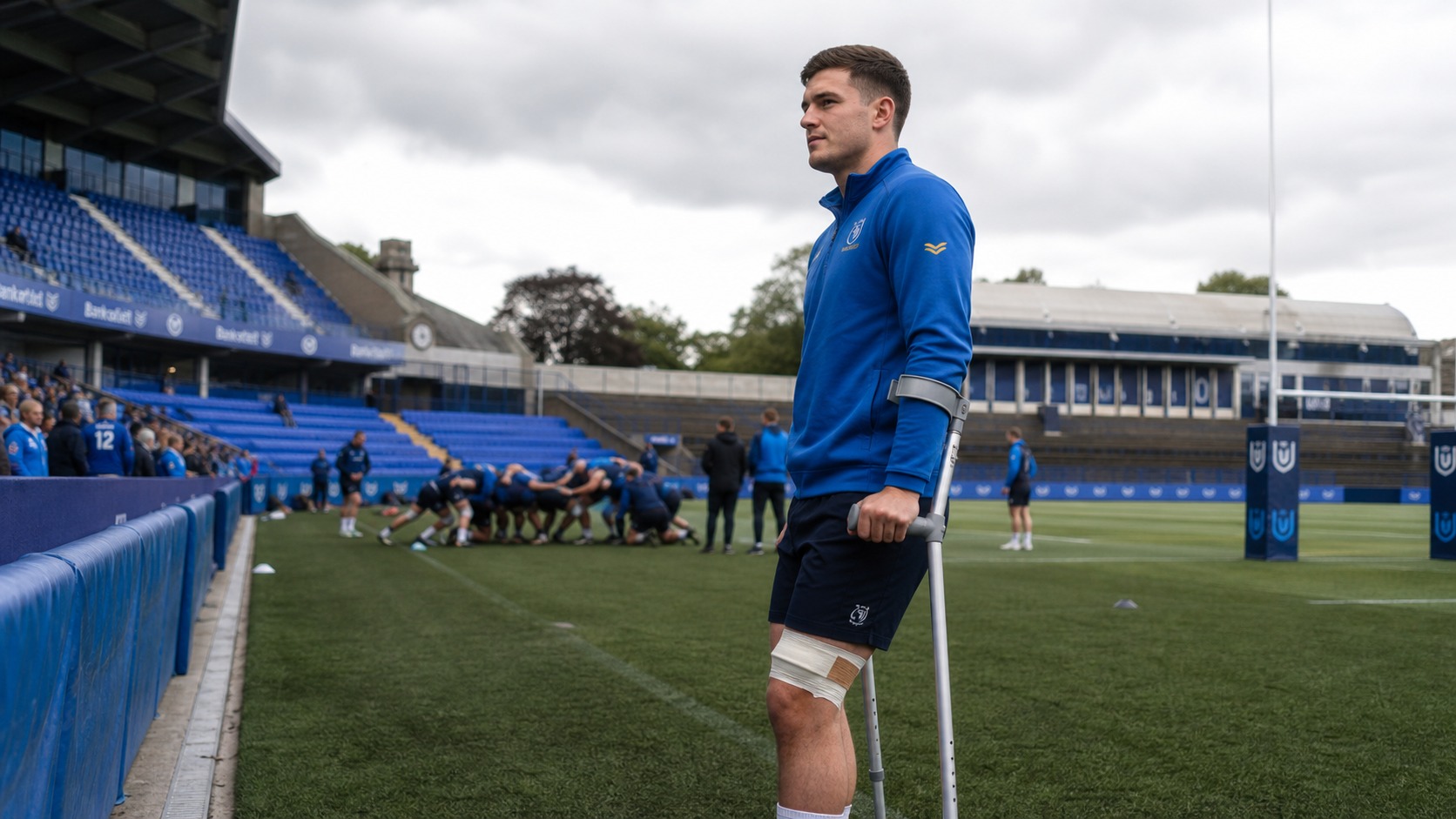
Anterior cruciate ligament (ACL) injuries are among the most serious and career-threatening injuries in sport. The ACL is a key stabilising ligament in the knee, and its rupture typically requires surgical reconstruction followed by a rehabilitation period of nine to twelve months. Even with optimal treatment, a significant proportion of athletes who suffer ACL injuries do not return to their previous level of performance, and the risk of re-injury remains elevated for several years after the initial incident.
In Gaelic games, ACL injuries have become increasingly common at both inter-county and club level, a trend that has been attributed to a range of factors including the increasing physicality and pace of the modern game, the growing demands of year-round training and competition, and the participation of players in multiple codes — Gaelic football, hurling, and increasingly, ladies football and camogie — which increases cumulative load on the body.
Professor Brian Davitt is a consultant orthopaedic surgeon at the UPMC Sports Surgery Clinic in Santry, Dublin, one of Ireland's leading sports medicine facilities. He has treated a large number of GAA players with ACL injuries and has been a vocal advocate for improved injury prevention and surveillance within the association.
Key Developments
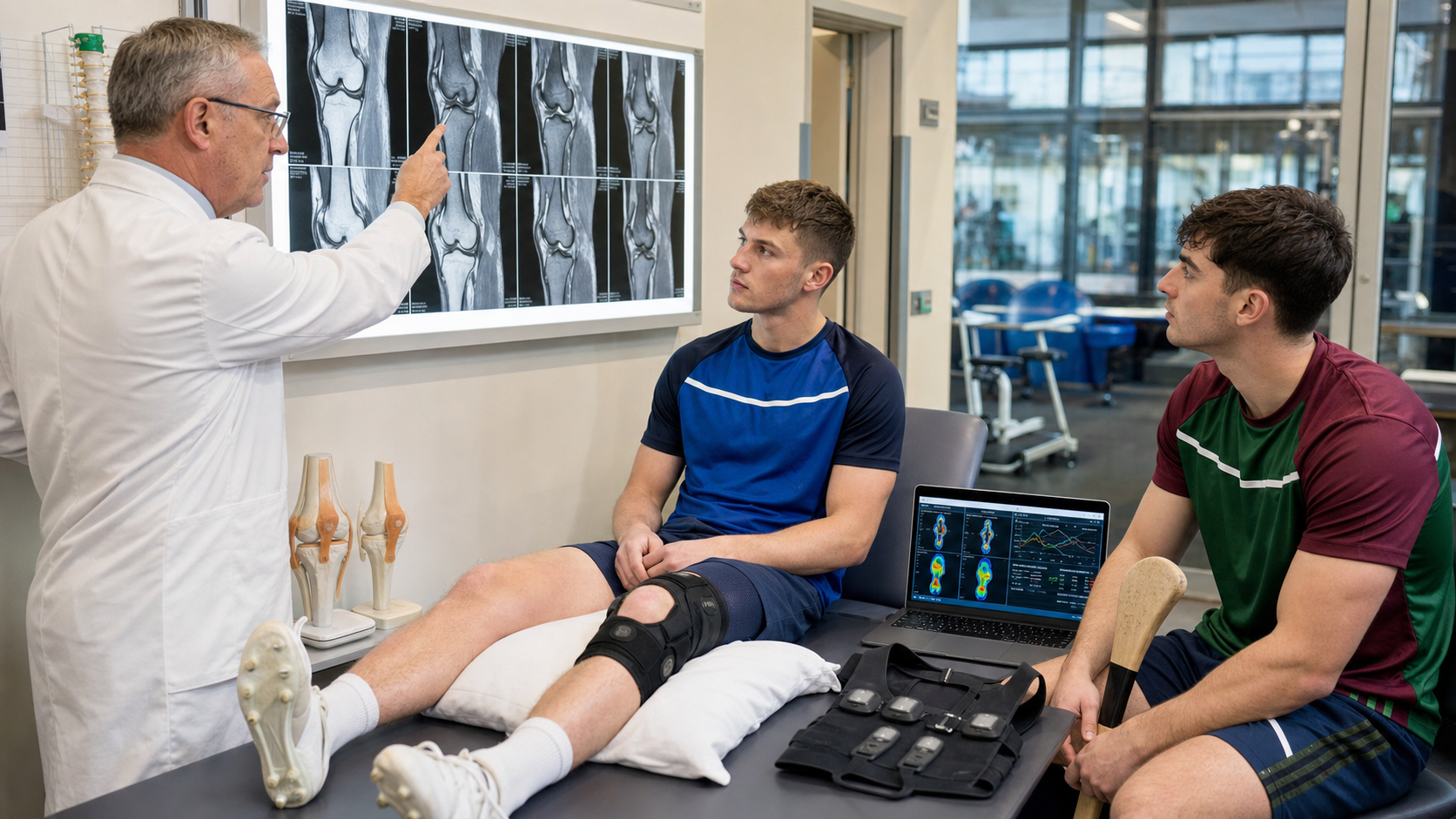
Speaking to the Irish Examiner, Professor Davitt called on the GAA to invest in a comprehensive injury surveillance programme that would use GPS tracking data to monitor player workloads and identify patterns associated with increased injury risk. He described the current level of ACL injuries in Gaelic games as an "epidemic" and argued that the association is operating without the data needed to understand the problem or to develop evidence-based prevention strategies.
GPS tracking technology is already widely used in professional rugby, soccer, and Australian rules football to monitor player workloads, identify fatigue, and manage injury risk. The technology allows coaches and medical staff to track metrics such as total distance covered, high-speed running distance, acceleration and deceleration loads, and changes of direction — all of which are associated with ACL injury risk. However, its use in GAA is currently limited, particularly at club level where resources are more constrained.
Professor Davitt argued that a centralised, GAA-wide injury surveillance programme — similar to those operated by World Rugby and the Premier League — would allow the association to build a comprehensive picture of injury patterns across all levels of the game and to develop targeted prevention programmes. He also called for greater standardisation of pre-season screening protocols and for improved education of coaches and players about injury risk factors.
Why It Matters
The ACL injury crisis in GAA has significant consequences for players, clubs, and counties. For individual players, an ACL injury means a year or more out of the game, with all the physical, psychological, and social costs that entails. For clubs and counties, the loss of key players to long-term injury can be devastating, particularly in smaller communities where the talent pool is limited. The cumulative cost of ACL injuries to the GAA — in terms of medical treatment, rehabilitation, and lost playing time — runs to tens of millions of euros annually.
The call for GPS-based surveillance also reflects a broader debate about the professionalisation of GAA. The association has historically been resistant to some aspects of the professional sports model, arguing that its amateur ethos is central to its identity and its community role. However, the physical demands placed on inter-county players in particular have increased dramatically in recent years, and there is a growing recognition that the association has a duty of care to its players that requires investment in sports science and medical support.
For context, the Rugby Football Union in England introduced a mandatory injury surveillance programme for professional clubs in 2002, and the data generated has been instrumental in identifying risk factors and developing prevention strategies that have reduced injury rates significantly. A similar approach in GAA could yield comparable benefits.
Local Impact
The ACL injury crisis affects GAA clubs in every county in Ireland. In Dublin, clubs in areas such as Ballyboden, Kilmacud, and St Vincent's have reported significant numbers of ACL injuries among their senior players in recent years. In rural counties, where clubs may have only one or two players of inter-county standard, the loss of a key player to an ACL injury can effectively end a club's championship ambitions for the season. The UPMC Sports Surgery Clinic in Santry, where Professor Davitt is based, treats a large number of GAA players from across Leinster and beyond, and has developed significant expertise in ACL reconstruction and rehabilitation. The clinic has been working with several county boards to develop injury prevention programmes, but Professor Davitt argues that a national, GAA-wide approach is needed to make a meaningful impact.
What's Next
The GAA's Medical, Scientific and Welfare Committee is expected to consider Professor Davitt's recommendations at its next meeting. The association has previously indicated it is open to expanding its use of sports science and technology, but has not yet committed to a comprehensive GPS surveillance programme. The issue is likely to be raised at the GAA's annual congress in 2027, where delegates from clubs and counties across Ireland will have the opportunity to debate the association's approach to player welfare and injury prevention.