Period Poverty in Irish Schools: DEIS Plus Initiative Marks First Step Towards Universal Free Provision
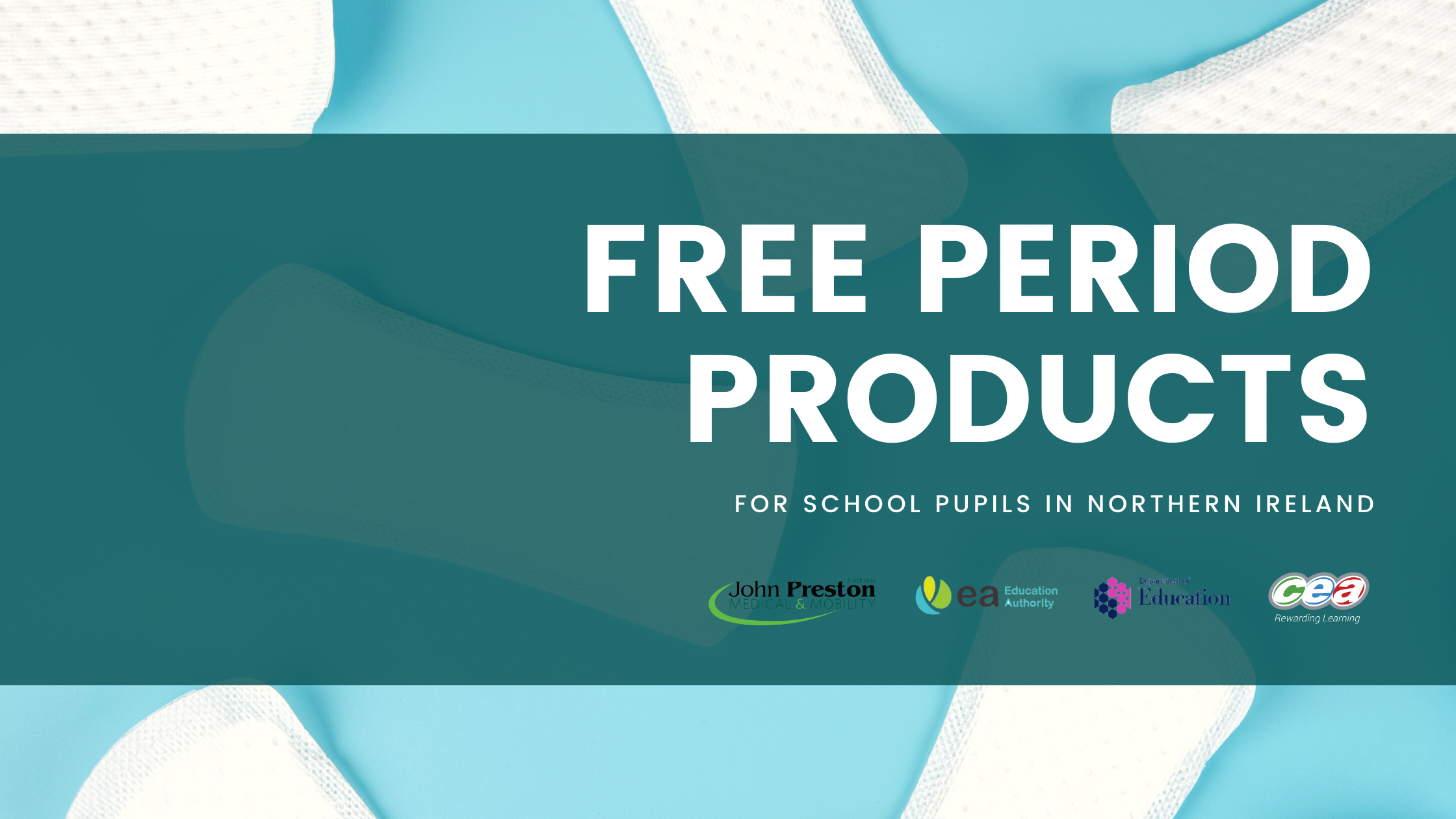
The Department of Education has confirmed that free period products will be provided to more than 100 schools participating in the new DEIS Plus scheme from the start of the 2026/2027 school year, with a €100,000 allocation marking what Minister for Education Hildegarde Naughton described as the first phase of a long-term strategy to ensure that no student in Ireland is held back from learning because they cannot afford essential menstrual health products.
Background
Period poverty — the inability to afford adequate menstrual health products — is a problem that affects a significant number of young people in Ireland, particularly those from low-income households. Research conducted by the Department of Education in preparation for the initiative found that students who experience period poverty are more likely to miss school, to feel excluded from social activities, and to use inappropriate substitutes — including, in some cases, socks — to manage their periods. The impact on educational attainment and wellbeing can be significant, particularly for students who are already experiencing other forms of disadvantage.
The DEIS Plus scheme, which was launched as part of the Department of Education's 10-year DEIS strategy for 2026-2035, is designed to provide targeted supports to schools serving communities with the most persistent levels of educational disadvantage. It builds on the existing DEIS programme, which has been in place since 2005 and which provides additional resources to schools in disadvantaged areas, but focuses specifically on the schools where the need is greatest and where conventional supports have not been sufficient to close the attainment gap.
The provision of free period products in schools is not a new idea — Scotland introduced universal free provision in 2022, becoming the first country in the world to do so, and several other countries have followed. In Ireland, the issue has been on the political agenda for several years, with advocacy groups and student unions calling for action. The Department of Education sought broader funding for free period products in Budget 2026 but was unsuccessful; the €100,000 allocation for DEIS Plus schools represents a partial but meaningful step forward.
Key Developments
The initiative will provide grants to more than 100 DEIS Plus schools, calculated based on the number of students who have reached the age where they are likely to have started their period — for primary schools, this includes students in fourth class and above. The grants will allow schools to purchase and stock a range of period products, which will be made available to students free of charge in school toilets and from designated staff members.
The consultation process that preceded the initiative involved students, teachers, and principals, and the findings were striking. Students reported that period poverty had led to them missing school, feeling embarrassed and excluded, and being unable to concentrate in class. Teachers reported that they were regularly approached by students who needed period products but could not afford them, and that the lack of a formal provision meant that the response was ad hoc and inconsistent.
Minister Naughton described the initiative as "a matter of dignity, equality, and educational participation." She emphasised that the long-term objective is universal provision in all recognised upper primary, post-primary, and special schools in Ireland, and that the DEIS Plus rollout is the first phase of a programme that will be expanded in subsequent budgets.
Why It Matters
The provision of free period products in schools is a relatively low-cost intervention with potentially significant benefits for educational attainment and wellbeing. The evidence from Scotland, where universal provision has been in place for four years, suggests that the initiative reduces absenteeism, improves student confidence, and normalises conversations about menstrual health in a way that reduces stigma. These are outcomes that are difficult to quantify precisely but that have real and lasting effects on the lives of young people.
The decision to begin with DEIS Plus schools is a pragmatic one — it targets the resources where the need is greatest and where the impact is likely to be most significant. But the government's commitment to universal provision is important, because period poverty is not confined to the most disadvantaged communities. Students from middle-income families can also struggle to afford period products, particularly in households where multiple children are in school simultaneously and where the cost of living has increased significantly in recent years.
The initiative also has a broader significance as a statement about the kind of society Ireland wants to be. The provision of free period products is a recognition that menstrual health is a public health issue, not a private matter, and that the state has a responsibility to ensure that all students can participate fully in education regardless of their financial circumstances.
Local Impact
The impact of the initiative will be felt most directly in the DEIS Plus schools that will receive funding from the start of the school year. These schools are located in some of the most disadvantaged communities in Ireland — in Dublin's north inner city, in Cork's Northside, in Limerick's Southside, and in rural areas across the country where poverty is less visible but no less real. For the students in these schools, the availability of free period products will be a practical improvement in their daily lives. For the teachers and principals who have been managing the issue informally for years, it will be a relief to have a formal provision in place. The Irish Second-Level Students' Union has welcomed the initiative and called for its extension to all post-primary schools as quickly as possible.
What's Next
The Department of Education has confirmed that it will evaluate the DEIS Plus initiative at the end of the 2026/2027 school year, with a view to informing the design of the universal provision programme. The evaluation will assess the uptake of the products, the impact on attendance and wellbeing, and the logistical challenges of implementation. The findings will be used to develop a proposal for universal provision, which the department intends to bring to government as part of the Budget 2028 process. In the meantime, the department has encouraged schools that are not part of the DEIS Plus scheme to consider how they can support students who experience period poverty, and has indicated that it will provide guidance on best practice for schools that wish to introduce their own provision.