Foyle Cup Shatters Records as 1,013 Teams Descend on Derry for Ireland's Biggest Youth Football Tournament
The Foyle Cup has reached a landmark moment in its history, with a record-breaking 1,013 teams registered to compete in the 2026 edition of the tournament, making it the largest youth football competition ever staged in Ireland and one of the most significant grassroots sporting events in these islands.
Background
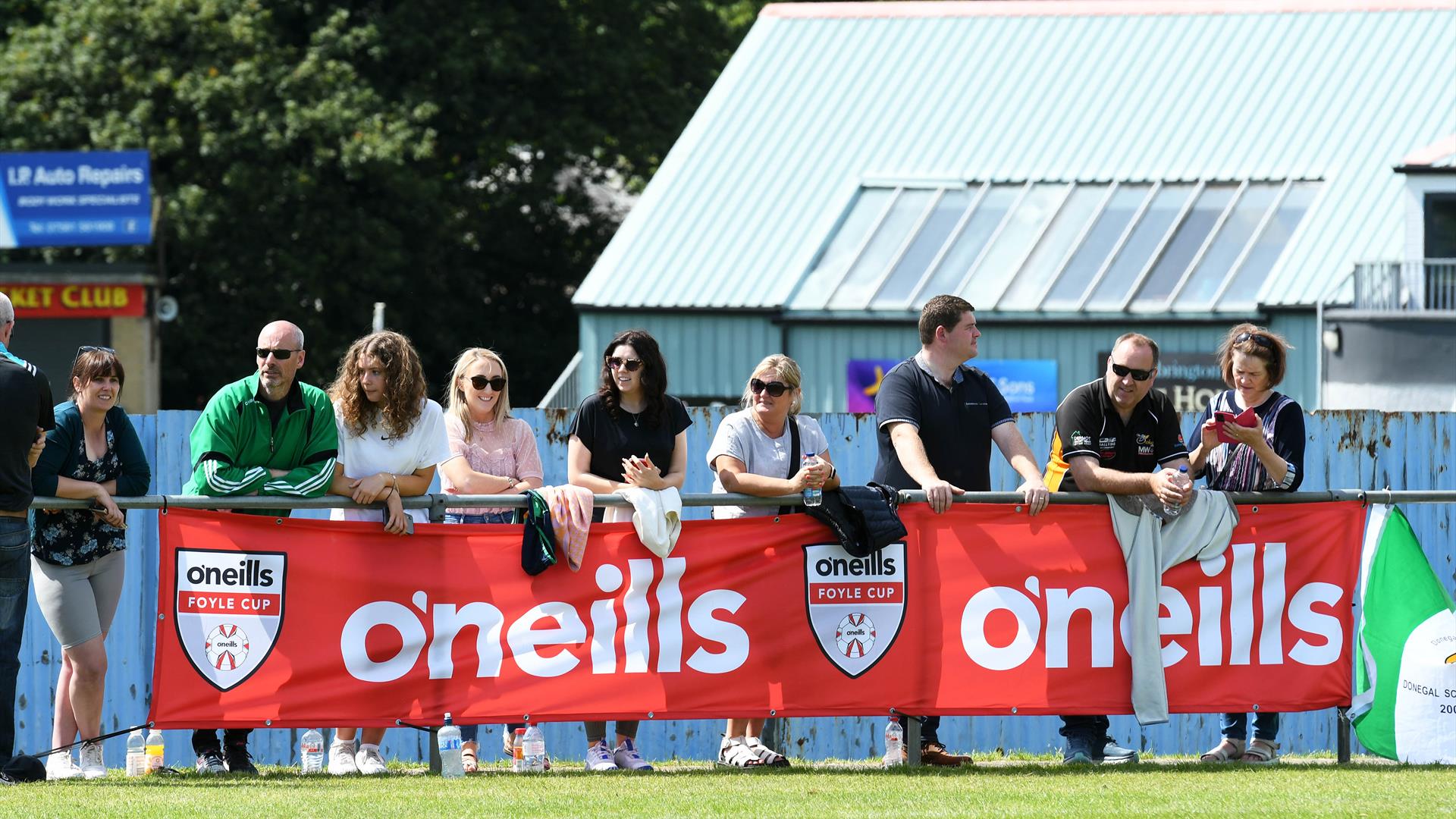
The Foyle Cup has been a fixture of the north-west sporting calendar for over three decades, growing steadily from a modest local competition into an internationally recognised tournament that draws teams from across Ireland, Britain, continental Europe, and North America. Based in Derry~Londonderry, the tournament has long served as a showcase for the city's capacity to host major sporting events and as a powerful engine for community cohesion, bringing together young players from vastly different backgrounds in a shared celebration of the game.
The competition operates across multiple age groups, from under-8s to under-18s, and has historically attracted clubs from the League of Ireland, the Irish Football Association, the English Football League, and the Scottish Premiership, alongside community clubs from as far afield as the United States and Canada. Its reputation for excellent organisation, warm hospitality, and competitive football has made it a destination tournament for youth coaches and club administrators across the English-speaking world.
In recent years, the Foyle Cup has also become an important vehicle for cross-community engagement in Derry, with teams from nationalist and unionist backgrounds competing alongside one another in a sporting environment that transcends the city's historical divisions. The tournament's organisers have consistently emphasised this dimension of the competition, viewing it as a practical demonstration of what shared space and shared purpose can achieve.
Key Developments
The 2026 edition has surpassed all previous records, with 1,013 teams confirmed as participants — a figure that represents a significant increase on the previous high and one that has required extensive logistical planning to accommodate. Pitches across Derry city and the wider north-west region have been pressed into service, with the tournament utilising facilities at clubs, schools, and leisure centres throughout the area.
The international dimension of the competition has never been stronger, with teams travelling from across Europe and North America to take part. For many of the visiting clubs, the Foyle Cup represents their first experience of competitive football in Ireland, and the tournament's organisers have worked hard to ensure that the experience extends beyond the pitch, with cultural and social programmes designed to give visiting players and their families a genuine sense of the city and its people.
The scale of the 2026 tournament has required the mobilisation of over 1,300 volunteers, a figure that speaks to the depth of community engagement that the Foyle Cup generates. From pitch marshals and scorekeepers to hospitality coordinators and transport volunteers, the competition depends on an extraordinary level of civic participation that is itself a testament to the pride that Derry takes in hosting the event.
Why It Matters
The Foyle Cup's record-breaking 2026 edition arrives at a moment when grassroots sport in the north-west is under significant financial pressure. Clubs across Derry and the surrounding area have faced rising costs, reduced funding, and the ongoing challenge of retaining young players in an era of competing leisure options. The tournament provides a vital injection of energy, visibility, and economic activity that benefits the entire local football ecosystem.
The economic impact of 1,013 teams — each accompanied by coaches, parents, and supporters — is substantial. Hotels, guesthouses, restaurants, and local businesses across Derry and the wider north-west benefit directly from the influx of visitors, with the tournament estimated to generate millions of pounds in local economic activity over its duration. This is the third consecutive year in which the Foyle Cup has broken its own participation record, a trajectory that reflects both the quality of the competition and the growing international profile of Derry as a sporting destination.
For the young players themselves, the Foyle Cup offers something that no amount of training can replicate: the experience of competing against peers from different countries, cultures, and footballing traditions. The lessons learned on the pitch — about resilience, teamwork, and respect for opponents — are ones that stay with players long after the tournament is over.
Local Impact
The practical impact on Derry city is considerable. The Brandywell Stadium, Templemore Sports Complex, and pitches across the Waterside, Bogside, and Cityside areas are all in use, with the tournament effectively transforming the city into a hub of sporting activity for its duration. Local clubs benefit from the exposure that comes with hosting visiting teams, and several have used the tournament as an opportunity to recruit new members and build international connections that persist long after the final whistle.
For the city's hospitality sector, the Foyle Cup is one of the most significant events of the summer calendar, comparable in economic terms to major cultural festivals. The Derry City and Strabane District Council has been a consistent supporter of the tournament, recognising its value as a driver of tourism and community wellbeing. The council's investment in pitch infrastructure and facilities across the district has been a key factor in enabling the competition to grow to its current scale.
What's Next
The 2026 Foyle Cup runs across several days, with group stages giving way to knockout rounds before the finals are staged at the tournament's main venues. Organisers have indicated that they are already in discussions with clubs from new countries for the 2027 edition, with interest from teams in Scandinavia and Eastern Europe adding a further international dimension to what is already a genuinely global competition. The tournament committee will publish a full review of the 2026 edition in the autumn, including an economic impact assessment and plans for future growth.