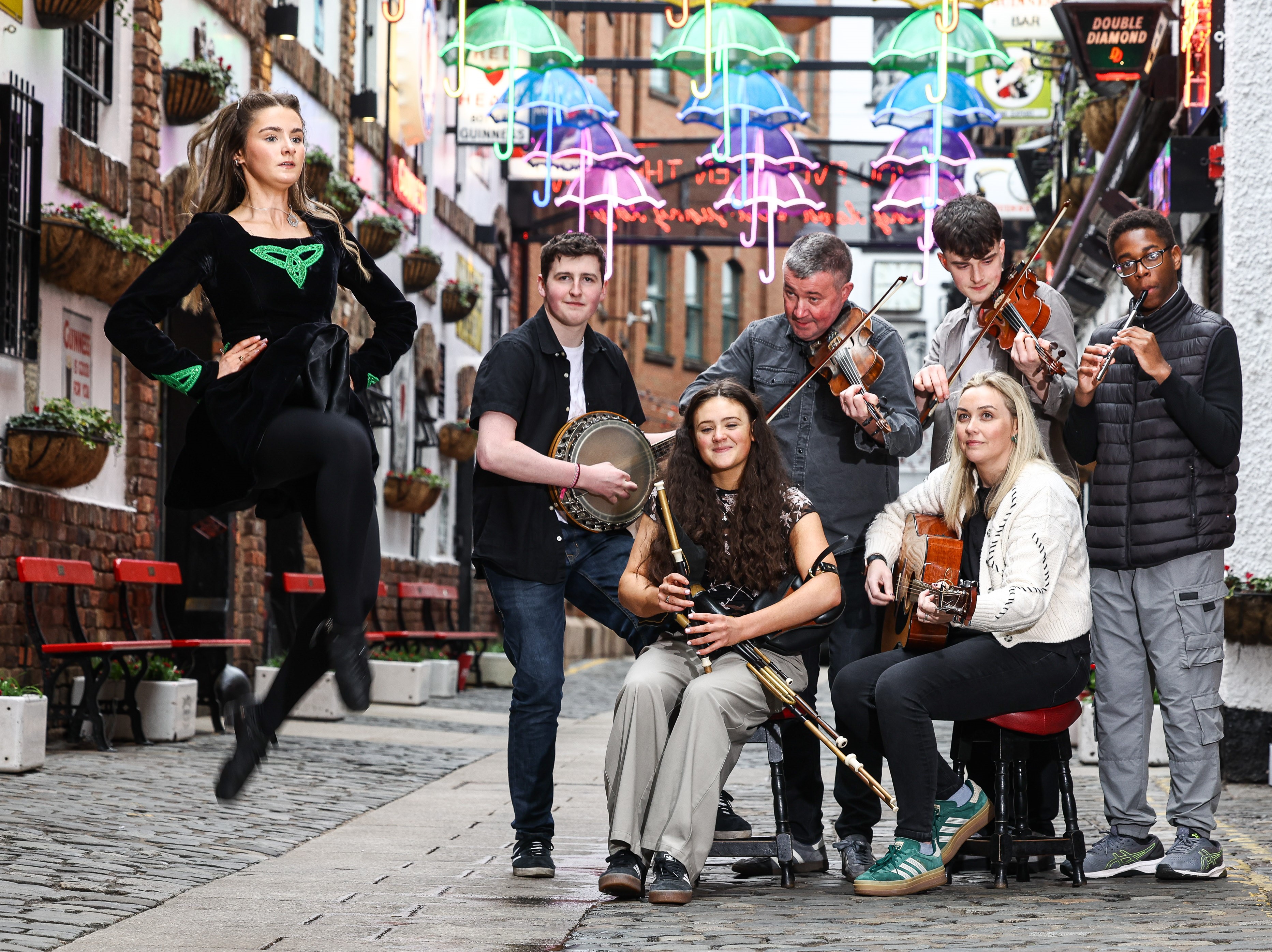
Fleadh Cheoil 2026 in Belfast Set to Be 'Olympics of Creativity' with £18 Million Economic Boost for City
Belfast is preparing to host the world's largest Irish traditional music festival this August, with organisers of the Fleadh Cheoil na hÉireann declaring the event will be nothing less than an 'Olympics of creativity, friendship and harmony' — drawing an estimated 800,000 visitors and injecting £18 million into the local economy over nine transformative days.
Background
The Fleadh Cheoil na hÉireann is the pinnacle of the traditional Irish music calendar, an annual gathering that brings together the finest musicians, dancers, singers, and storytellers from across the island of Ireland and the global diaspora. Organised by Comhaltas Ceoltóirí Éireann, the festival has been held in towns and cities across Ireland since 1951, rotating annually to different host communities. Previous host cities have included Drogheda, Ennis, Sligo, and Mullingar, each transformed by the sheer scale and energy of the event.
Belfast's selection as the 2026 host city carries particular resonance. The city has undergone a remarkable cultural transformation over the past three decades, and the Fleadh's arrival represents a powerful statement about Belfast's place at the heart of Irish cultural life. The last time the festival was held in the north was in Derry/Londonderry in 2013, when it attracted over 400,000 visitors and generated significant economic activity for the north-west. Belfast's hosting is expected to surpass that benchmark considerably.
The decision to bring the Fleadh to Belfast was welcomed across the political spectrum, with both unionist and nationalist representatives acknowledging the festival's potential to showcase the city's hospitality and creative energy to a global audience. The event has historically served as a bridge-builder, drawing participants from all traditions and backgrounds who share a love of Irish music and culture.
Key Developments
Organisers confirmed on 6 July that preparations are well advanced for the festival, which runs from 2 to 9 August 2026. The event will feature over 200 cultural activities, including competitive sessions across all traditional music disciplines, céilí dancing, singing competitions, and open-air performances at venues across the city centre and beyond. The festival's footprint will extend from the Cathedral Quarter to the Falls Road and Shankill Road areas, with community events planned in neighbourhoods across Belfast.
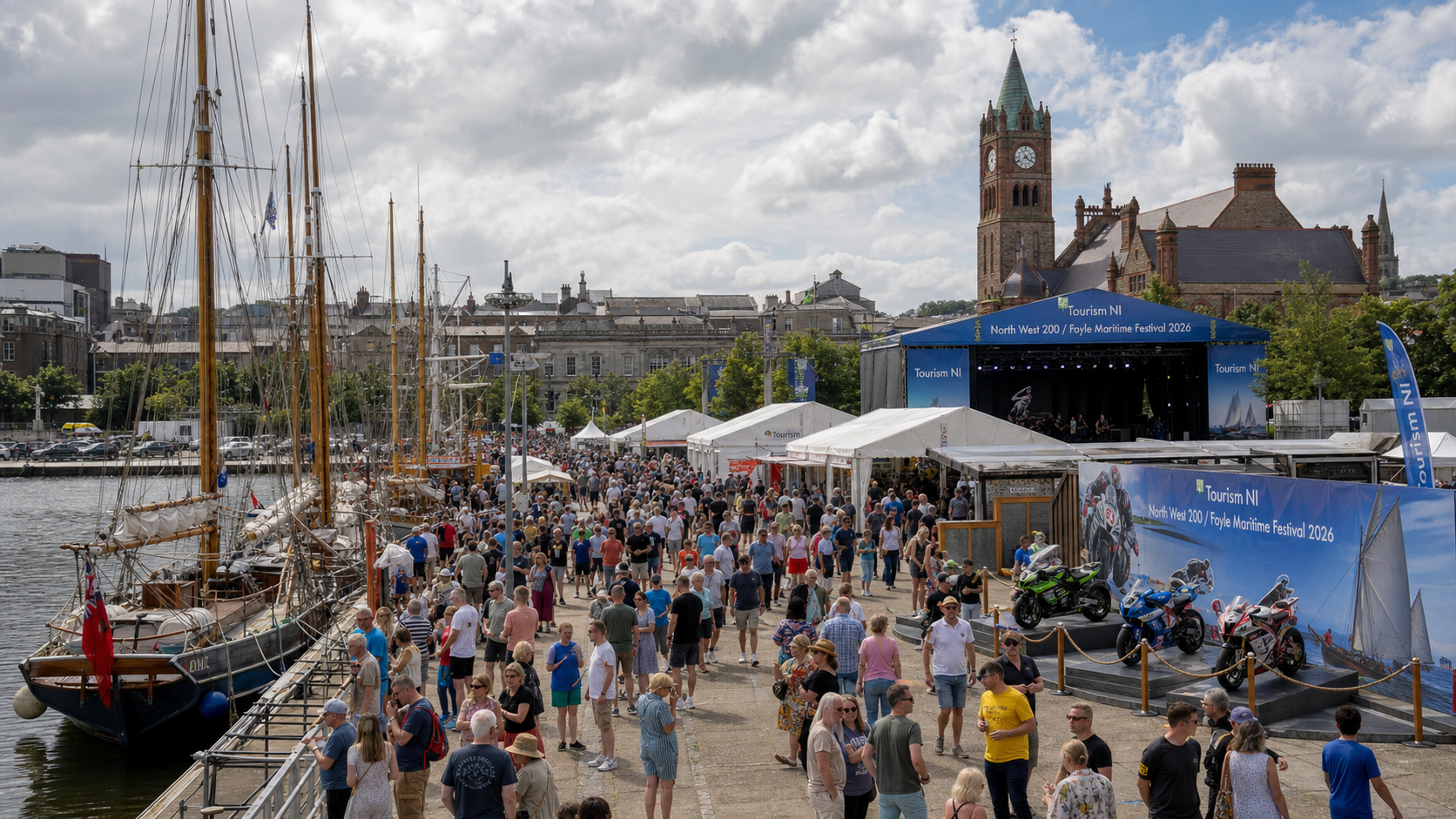
A £1 million investment from the Department for the Economy and Tourism NI has been confirmed, reflecting the Executive's recognition of the festival's economic and cultural significance. Tourism NI is also providing logistical and promotional support, with a major international marketing campaign targeting the Irish diaspora in North America, Britain, and Australia.
An organiser described the event's ambition in striking terms: the festival will be 'the Olympics of creativity, friendship and harmony,' emphasising its role in fostering cultural unity at a time when Belfast continues to navigate its complex identity. The comparison to the Olympics is not merely rhetorical — the logistical scale of hosting 800,000 visitors over nine days requires coordination across transport, accommodation, hospitality, and public safety that rivals any major international sporting event.
Comhaltas Ceoltóirí Éireann has confirmed that competitors from over 40 countries have registered for the various championship competitions, with the All-Ireland titles in fiddle, uilleann pipes, flute, accordion, and singing among the most keenly contested. The festival's céilí mór, held on the final evening, is expected to be one of the largest public gatherings in Belfast's history.
Why It Matters
The Fleadh's arrival in Belfast is significant on multiple levels that extend well beyond the economic projections. This is the first time the festival has been hosted in the city, and its presence challenges long-standing narratives about Belfast as a divided or unwelcoming place for Irish cultural expression. The festival's ethos — open, inclusive, and rooted in shared heritage — offers a model for how cultural events can transcend political divisions.
For context, the Galway Fleadh of 2018 generated over €50 million for the local economy, demonstrating the transformative potential of the event for host cities. Belfast's £18 million projection is more conservative, reflecting the city's different economic profile, but the ripple effects — in terms of international profile, tourism infrastructure investment, and community pride — are likely to be felt for years. Unlike many large-scale events that benefit primarily the city centre, the Fleadh's community-based structure ensures that economic activity spreads into residential neighbourhoods, local pubs, and small businesses across the city.
Local Impact
The practical impact on Belfast's communities will be substantial. Hotels and guesthouses across the city are already reporting near-full occupancy for the festival week, with visitors spilling into accommodation in Lisburn, Antrim, and Bangor. The Cathedral Quarter, traditionally the hub of Belfast's cultural life, will host major outdoor stages, while the west Belfast corridor — including the Falls Road and Andersonstown — will see significant community events celebrating the festival's roots in Irish-language and traditional culture. Translink has confirmed additional Metro and Glider services throughout the festival period, with park-and-ride facilities at the SSE Arena and Titanic Quarter. Local schools and youth organisations have been invited to participate in educational workshops and junior competitions, ensuring the festival's legacy extends into the next generation of Belfast musicians.
What's Next
The festival opens on Sunday, 2 August, with a formal civic reception at Belfast City Hall attended by the Lord Mayor and representatives from Comhaltas Ceoltóirí Éireann. Competitive sessions begin on Monday, 3 August, with the All-Ireland championship finals scheduled for Saturday, 8 August. The céilí mór finale takes place on Sunday, 9 August. Organisers will publish the full programme and ticketing information for ticketed events in the coming days, with free outdoor events accessible to all. A post-festival economic impact assessment is planned for September 2026.