Belfast City Council Launches Action-Packed Summer Programme of Play and Music for Children Across the City
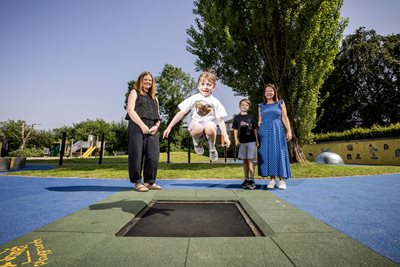
Belfast City Council has launched what it describes as an 'action-packed' summer schedule of play and music activities for children across the city, offering free and low-cost events in parks, community centres, and public spaces throughout July and August 2026.
Background
The summer holiday period has long presented a challenge for families in Belfast, particularly in areas where access to affordable childcare and structured activities is limited. Belfast City Council has run summer programming for children for many years, but the scale and ambition of this year's offering reflects a deliberate effort to reach communities across the city — from the Shankill and Falls to east Belfast's Newtownards Road corridor and the north of the city around Antrim Road and New Lodge.
The programme sits within the council's broader commitment to tackling child poverty and social isolation, issues that have been particularly acute in the aftermath of the June riots, which disrupted community life in several parts of the city. Council officers have been keen to ensure that the summer schedule provides a positive and safe environment for children at a time when community tensions remain elevated in some areas.
Music and play-based programming has been shown in multiple studies to have significant benefits for children's social development, emotional wellbeing, and physical health. Belfast's council has drawn on partnerships with local arts organisations, sports clubs, and community groups to deliver a programme that goes beyond simple childminding and offers genuine creative and physical engagement.
Key Developments
The summer programme includes outdoor play sessions in parks across the city, music workshops led by local musicians and arts educators, sports taster sessions covering everything from GAA skills to street dance, and family-friendly events at council-managed venues including the Waterfront Hall and the Ulster Hall. Many events are free of charge, with a small number of ticketed workshops offered at subsidised rates for families on low incomes.
The council has worked with Translink to ensure that key events are accessible by public transport, with Glider and Metro bus routes serving the main venues. A dedicated summer events guide has been distributed through schools, libraries, and community centres, and is available on the council's website.
Councillors from across the political spectrum have welcomed the initiative, with Alliance, Sinn Féin, and DUP representatives all expressing support for the programme's reach into their respective constituencies. The council's director of city and neighbourhood services described the programme as a demonstration of what local government can deliver when it focuses on the needs of families and children.
Why It Matters
Belfast's summer programme matters because the school holidays are a period of heightened risk for children in disadvantaged communities. Research by the Joseph Rowntree Foundation has consistently shown that children from low-income families in Northern Ireland are disproportionately affected by the 'summer slide' — a loss of educational progress and social connection during the long break. Belfast has some of the highest rates of child poverty in the United Kingdom, with certain wards in north and west Belfast recording child poverty rates above 40 per cent.
The timing of this year's programme is also significant. The June riots caused considerable disruption to community life, and several families were displaced from their homes. Providing structured, positive activities for children in the weeks that follow is not merely a leisure initiative — it is a form of community healing. The council's decision to maintain programming in areas directly affected by the disorder sends a clear signal that public services will not retreat from the communities that need them most.
Local Impact
Events will take place in parks and community venues across all six council areas, including Falls Park, Victoria Park in east Belfast, Waterworks Park on the Antrim Road, and Ormeau Park in south Belfast. The Glider G1 and G2 routes provide direct access to several key venues, making the programme genuinely accessible for families without private transport. Community centres in Ardoyne, Ballymacarrett, and the Markets area are among those hosting local sessions, ensuring that children in some of the city's most deprived areas are not excluded from the programme.
What's Next
The full summer programme runs through to the end of August, with the schedule updated weekly on the council's website and social media channels. A mid-summer review will assess attendance figures and identify any gaps in provision, with the council retaining flexibility to add additional events in areas where demand exceeds capacity. Officers have indicated that a full evaluation report will be presented to the council's People and Communities Committee in September.