First-Generation University Graduates Reach All-Time High Across Ireland
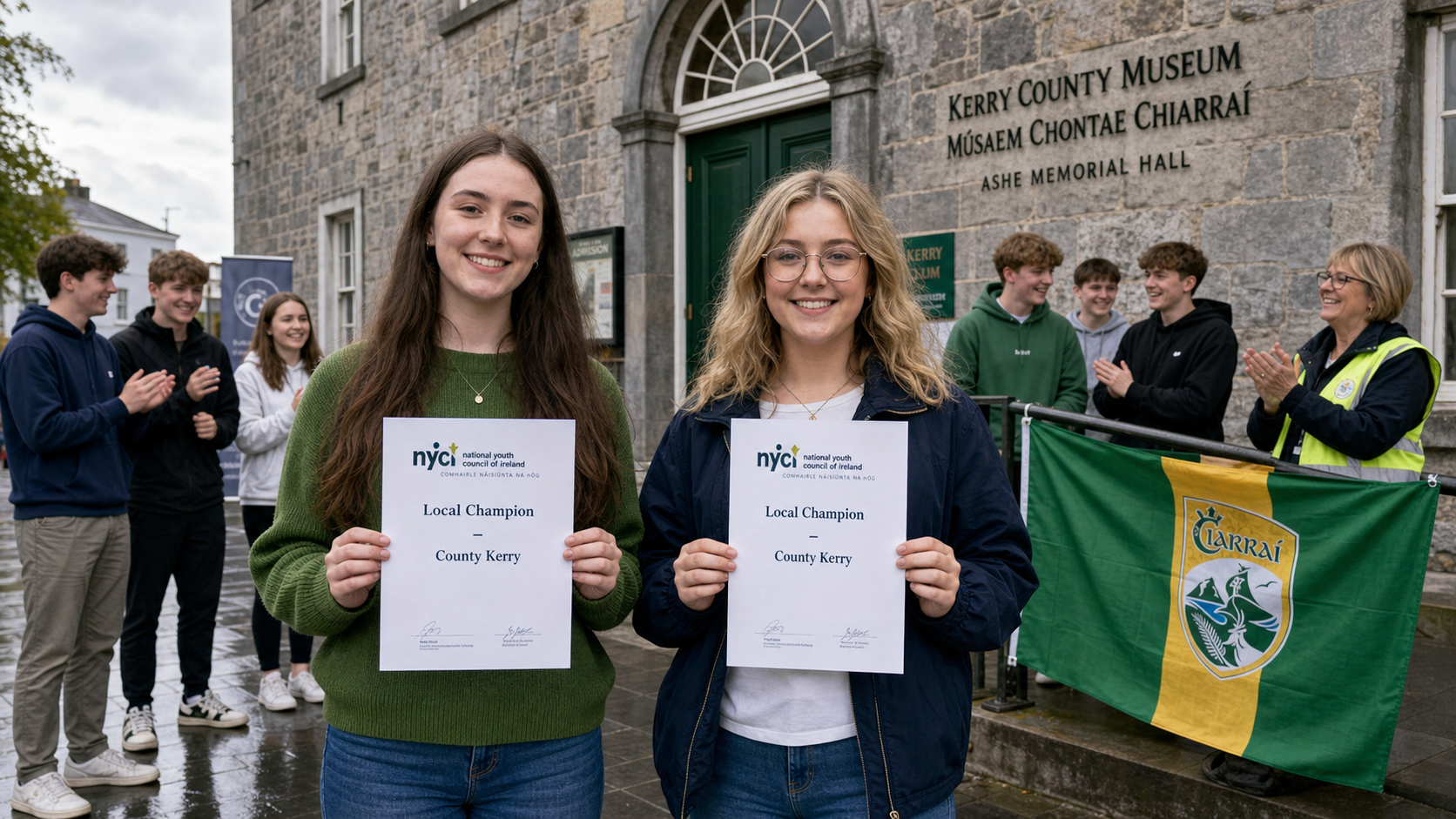
Ireland has reached a landmark moment in educational equality: a record 34% of university graduates this year are the first in their families to hold a degree. The milestone reflects decades of sustained investment in widening participation programmes and signals a meaningful shift in who gets to benefit from higher education on the island of Ireland.
Background
Access to higher education in Ireland has historically been shaped by socioeconomic background, with students from disadvantaged communities significantly underrepresented at university level. The Higher Education Authority (HEA) has long tracked this disparity through its Deprivation Index Scores, which measure the relative affluence or disadvantage of students' home areas. Data from recent years showed that approximately one in ten higher education students in Ireland came from disadvantaged backgrounds — a figure that, while improving, highlighted the persistent gap between aspiration and access for many families.
In response, Ireland developed a suite of targeted access schemes designed to lower the barriers to university entry. The Higher Education Access Route (HEAR) provides reduced points places and additional college support to school leavers from socioeconomically disadvantaged backgrounds, while the Disability Access Route to Education (DARE) offers equivalent provisions for students whose disabilities have affected their academic performance. Between 2015 and 2017 alone, over 15,600 students accepted an offer through either scheme, according to the Irish Universities Association.
Key Developments
The record 34% figure for first-generation graduates represents the culmination of years of policy effort and institutional commitment. Total enrolments in Irish higher education reached 278,880 in the 2024/25 academic year — a 4.9% increase on the previous year — with undergraduate enrolments at 212,345. New entrants to full-time undergraduate education numbered 48,485, with 8.1% entering through the DARE scheme alone, reflecting the growing reach of access programmes across the system.
The HEA's National Access Plan 2022–2028 has provided the strategic framework for this progress, setting targets for the representation of underrepresented groups and funding institutions to develop the support structures that help first-generation students not just enter university but thrive once there. The Graduate Outcomes Survey 2025 offered further encouragement: 80.2% of graduates from the Class of 2024 were employed nine months after graduation, with almost 50% earning over €40,000 annually and 73% employed in high-skilled occupations — outcomes that demonstrate the transformative economic impact of a degree for those who achieve one, as documented by the HEA's widening participation data.
The HEA's Equality, Diversity and Inclusion Enhancement Fund has also played a role, awarding over €1 million to initiatives across Irish higher education institutions focused on advancing gender equality, ending sexual violence and harassment, and promoting race equality — creating campus environments more welcoming to students from all backgrounds.
Why It Matters
The significance of this milestone extends far beyond statistics. For every first-generation graduate, there is a family whose relationship with education has been permanently altered — a younger sibling who now sees university as a realistic possibility, parents whose sacrifices have been vindicated, and a community whose sense of what is achievable has expanded. Education is the most powerful engine of social mobility available in a modern economy, and when access to it is determined by the accident of birth rather than the merit of the individual, society as a whole is diminished. Ireland's progress in widening participation demonstrates that targeted, sustained policy intervention can shift deeply entrenched patterns of inequality. The 34% figure is not just a number — it is a measure of how many more families now have a stake in the knowledge economy.
Local Impact
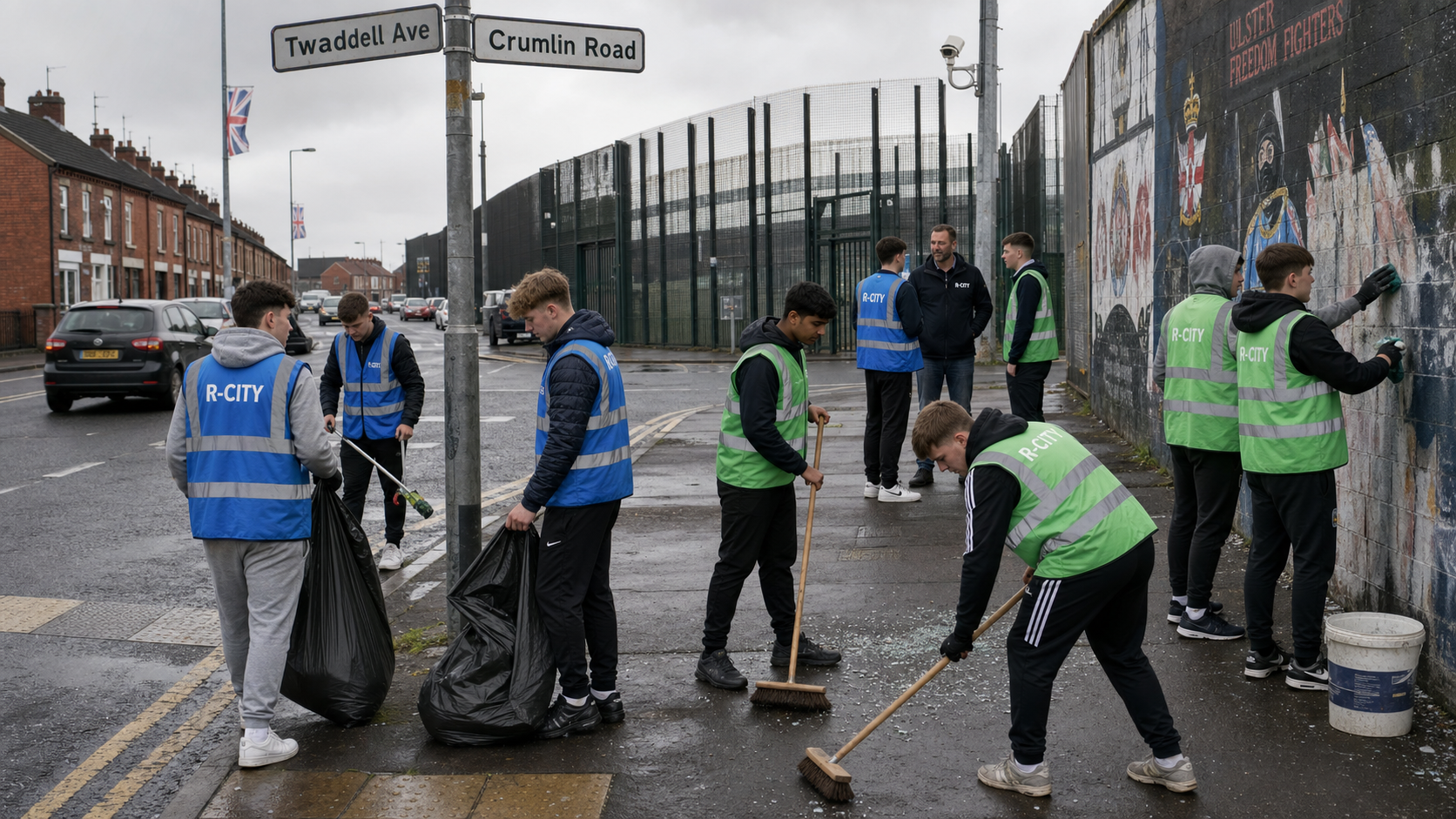
In Northern Ireland, the picture is similarly encouraging, with Queen's University Belfast and Ulster University both running access programmes designed to reach students from disadvantaged communities across the North. The cross-border dimension of Irish higher education means that progress in the Republic has a direct bearing on ambitions in the North, with both jurisdictions sharing a commitment to ensuring that postcode does not determine destiny. Belfast's own communities — many of which have historically had low rates of university participation — are seeing a new generation of graduates emerge, bringing with them the skills, networks, and confidence to contribute to the city's growing knowledge economy. For families in areas like North and West Belfast where university attendance was once the exception rather than the rule, the national trend is being felt at street level.
What's Next
The HEA's National Access Plan runs to 2028, and the ambition is to push the proportion of first-generation graduates higher still. The next challenge is not merely getting students through the door but ensuring that the support structures — financial, academic, and pastoral — are robust enough to see them through to graduation. Dropout rates among first-generation students remain higher than the national average, and addressing this will require continued investment in student assistance funds, mentoring programmes, and flexible study options that accommodate the complex lives many access students lead. Ireland's record is cause for genuine celebration — but the work of building a truly equitable higher education system is far from finished.