Fianna Fáil TDs Rally Behind Micheál Martin as Leadership Challenge Fades
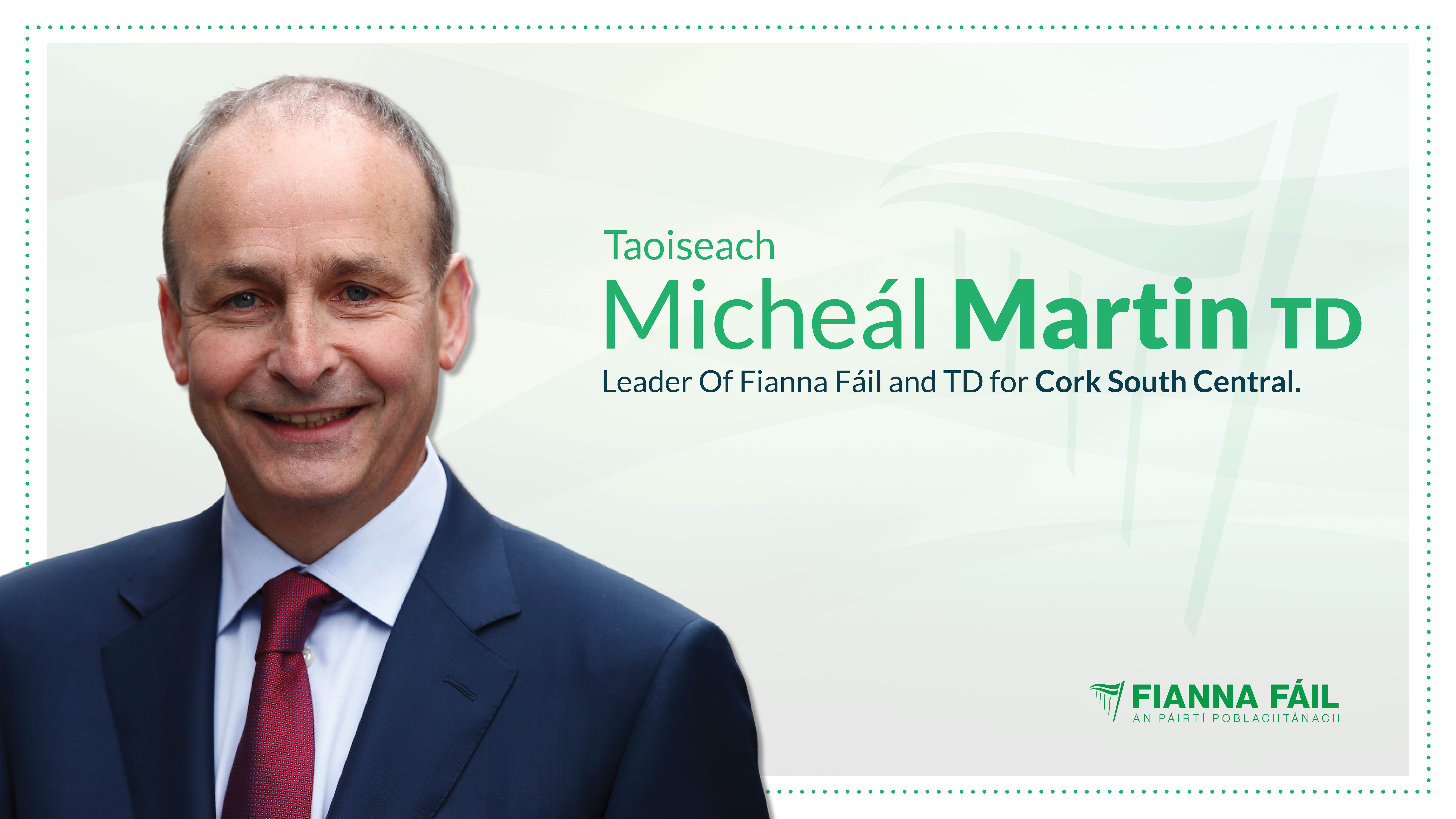
Fianna Fáil TDs have rallied behind Taoiseach Micheál Martin, with the prospect of a formal leadership challenge fading after intense pressure over the government's handling of recent fuel protests, as Martin held talks with concerned TDs and insisted his leadership was not under threat, with the coalition surviving a confidence vote and senior party figures publicly backing him to lead the party forward.
Background
The pressure on Micheál Martin's leadership of Fianna Fáil had been building for several weeks before the crisis came to a head in April 2026. The immediate trigger was the government's handling of a series of fuel protests that had erupted across Ireland in response to rising petrol and diesel prices, driven by the global oil price surge caused by the Middle East conflict. The protests, which at their peak involved road blockades and demonstrations outside government buildings, reflected a broader public frustration with the cost of living and with what many protesters characterised as an out-of-touch government response to the pressures facing ordinary families.
Within Fianna Fáil, a group of TDs representing rural constituencies — where dependence on private cars is highest and the impact of fuel price increases is most acute — had been particularly vocal in their criticism of the government's response. Some had called for more aggressive intervention in the fuel market, including temporary reductions in excise duty, while others had expressed frustration with what they saw as a failure of political communication that had allowed the protests to gain momentum without an effective government counter-narrative.
The prospect of a formal leadership challenge had been discussed in political circles, though most senior Fianna Fáil figures were reluctant to be publicly associated with any move against Martin. The Taoiseach's response was to engage directly with the concerned TDs, holding a series of meetings in which he listened to their concerns and outlined the government's plans for addressing the fuel price issue. According to RTÉ News analysis, the meetings were seen as a significant exercise in political management, demonstrating Martin's experience and his ability to defuse internal tensions before they reached a critical point.
Key Developments
The coalition government survived a confidence vote in the Dáil, with the government parties and their supporting independents holding together to defeat the opposition motion. The vote demonstrated that, whatever the internal tensions within Fianna Fáil, the coalition retained a working majority and that the prospect of an early general election was not imminent. Senior party figures, including several ministers who had been mentioned in connection with a potential leadership challenge, publicly backed Martin in the aftermath of the vote, effectively closing down the immediate threat to his position.
Martin's response to the fuel protests included a package of targeted measures designed to provide relief to the most affected households and businesses, including an extension of the fuel allowance scheme and additional support for rural transport initiatives. The measures were welcomed by some of the TDs who had been most critical of the government's handling of the crisis, though opposition parties argued that they did not go far enough. As The Journal reported, the episode highlighted the particular challenges facing coalition governments in managing internal dissent while maintaining a coherent public message.
Why It Matters
The episode matters because it illustrates the fragility of coalition politics and the speed with which external events — in this case, a global energy price shock driven by a conflict thousands of miles away — can create internal political pressures that threaten the stability of a government. Martin's ability to navigate the crisis without a formal leadership challenge reflects his considerable political experience and his skill in managing the competing demands of coalition partners and his own parliamentary party. However, the underlying tensions that the episode revealed — between urban and rural Ireland, between the demands of coalition management and the expectations of individual TDs' constituents — have not been resolved, and are likely to resurface if the economic pressures on Irish households continue to intensify.
Local Impact
For communities across Ireland and Northern Ireland, the fuel protest episode and the political turbulence it generated are a reminder of the real-world consequences of global energy market disruptions. The dependence of rural communities on private transport makes them particularly vulnerable to fuel price increases, and the political response to the protests — however imperfect — reflects the pressure that elected representatives face when their constituents are struggling with the cost of living. The episode also has implications for the broader political landscape in Ireland, as it has demonstrated that the government's majority, while sufficient to survive a confidence vote, is not so comfortable that it can afford to ignore the concerns of its own backbenchers.
What's Next
The immediate political crisis has passed, but the underlying economic pressures that generated it remain. The trajectory of global oil prices — and with it the cost of fuel for Irish households and businesses — will depend heavily on developments in the Middle East, and a continuation of the conflict could generate further political turbulence for the government. Martin will be hoping that the ceasefire in Lebanon holds and that oil prices begin to ease, providing some relief to the rural communities whose frustration has been the most immediate source of political pressure on his leadership. The next test of the coalition's cohesion is likely to come in the autumn budget, when the government will face difficult choices about how to balance the competing demands of fiscal responsibility and support for households under pressure.