DUP MLA Gary Middleton Resigns from Stormont to Focus on Mental Health Recovery
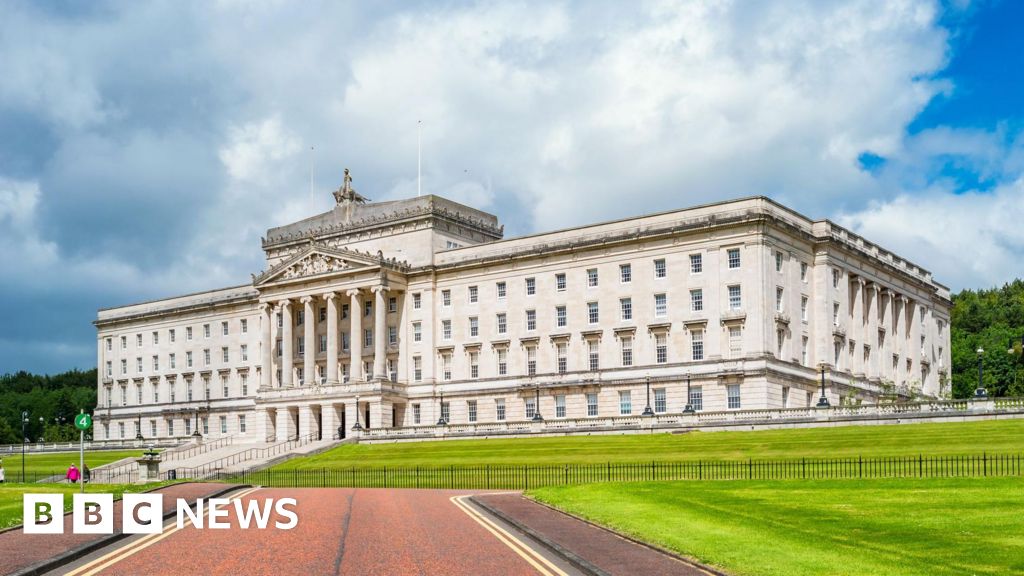
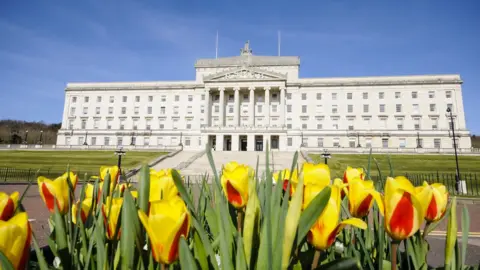
DUP Member of the Legislative Assembly Gary Middleton has announced his resignation from the Northern Ireland Assembly, citing significant mental health challenges that have limited his ability to represent his constituents in the Foyle constituency — and using his departure to send a powerful and courageous message that "it's okay not to be okay." Middleton, who has served as an MLA since 2015 and was first elected to Derry City Council in 2011 at the age of 20, announced his decision on 8 April, with his resignation taking effect on Friday 11 April. He was one of the longest-serving DUP representatives in the Foyle area and was the youngest member of the Northern Ireland Assembly when he was co-opted in April 2015 at the age of 24.
Background
The state of mental health services in Northern Ireland is a matter of serious concern. The region exhibits a higher prevalence of mental ill-health than any other part of the United Kingdom — a legacy often attributed to the Troubles and persistent socioeconomic disparities. A 10-year mental health strategy, which requires £1.2 billion for full implementation, has been severely underfunded, receiving only a fraction of the necessary investment. As of December 2023, over 17,500 people were on waiting lists for mental health services, with many waiting longer than the 13-week target — a delay that exacerbates conditions and increases the ultimate cost of care, as documented in the Northern Ireland Assembly's Public Accounts Committee report on mental health services.
The pressures of public life in a post-conflict society like Northern Ireland are immense. Politicians in constituencies like Foyle — a complex, predominantly nationalist area where unionist representatives operate in a challenging political environment — face not only the ordinary stresses of public office but also the particular strains of representing communities still navigating the legacy of decades of conflict. Middleton's willingness to speak openly about his mental health challenges is therefore all the more significant, breaking a silence that has historically been particularly pronounced among male politicians in Northern Ireland.
Key Developments
In a statement released to the Press Association, Middleton said he had been suffering from ill-health for several months, which had significantly hindered his ability to represent his constituents. He had initially hoped to recover and return to work, but came to realise that he could not achieve full health while remaining in public office. He chose to make his mental health challenges public to help his constituents and the wider community understand his departure, and to encourage others facing similar struggles to seek help. "It's okay not to be okay," he said, adding that he had found hope through the support of his family, friends, and expert treatment through the National Health Service, as reported by BBC News NI.
DUP leader Gavin Robinson paid tribute to Middleton, describing him as a "dedicated and steadfast servant" to the people of Londonderry and the surrounding areas. Robinson said Middleton had been "a strong and consistent voice for unionism in Foyle since 2015, who was never afraid to stand up for his beliefs, even in the face of threats from republicans." His wife, Julie Middleton, a DUP councillor, has been co-opted to fill his seat, becoming the first female unionist MLA for Foyle — a historic milestone in its own right.
Why It Matters
Middleton's decision to speak openly about his mental health challenges is significant in the context of Northern Irish politics, where public figures have historically been reluctant to discuss personal struggles. His openness has been welcomed by mental health advocates, who hope it will encourage others — particularly men — to seek help when they are struggling. Northern Ireland's mental health champion, Professor Siobhan O'Neill, has described the underfunding of the region's mental health strategy as "disastrous," and Middleton's resignation shines a light on the human cost of a system that is failing to meet the needs of those who need it most. His courage in speaking out may serve as a catalyst for a more open dialogue about mental health in public life.
Local Impact
For the Foyle constituency, Middleton's resignation creates a political vacancy in an area where unionism has historically faced significant challenges. The DUP will need to work to maintain its presence in a constituency that is predominantly nationalist, and the co-option of Julie Middleton as the first female unionist MLA for Foyle represents both a continuity of representation and a historic first. More broadly, the resignation is a reminder to all parties at Stormont of the human cost of political life and the urgent need for better support structures for elected representatives and their staff. The Assembly's own mental health and wellbeing resources will come under scrutiny in the weeks ahead.
What's Next
With Julie Middleton co-opted to fill the seat, a by-election may not be immediately required, but the DUP will need to consider its longer-term strategy for the Foyle constituency. Gary Middleton has indicated that his focus must now be on his health, and he has asked for privacy as he continues his recovery. His openness about his struggles has already prompted a wider conversation about mental health in public life in Northern Ireland, and advocates are calling on the Stormont Executive to accelerate the implementation of the 10-year mental health strategy and address the chronic underfunding that leaves thousands waiting for the support they need.